7 Classic Things Only Baby Boomers Remember

Classic Things Only Baby Boomers Remember
Image Credit: fizkes/123rf Photos

Baby boomers (born 1946–1964) didn’t just witness a changing world; we lived through the handoff from analog to digital in real time. Our memories are stamped with textures younger generations rarely touch: glossy phone-book pages, the warm hum of a TV set, the snap of a cassette case, the weight of encyclopedias.

If the moments below feel less like trivia and more like autobiography, we know exactly where we belong on the generational timeline.

Dialing a Rotary Phone Without Losing Patience
Classic Things Only Baby Boomers Remember
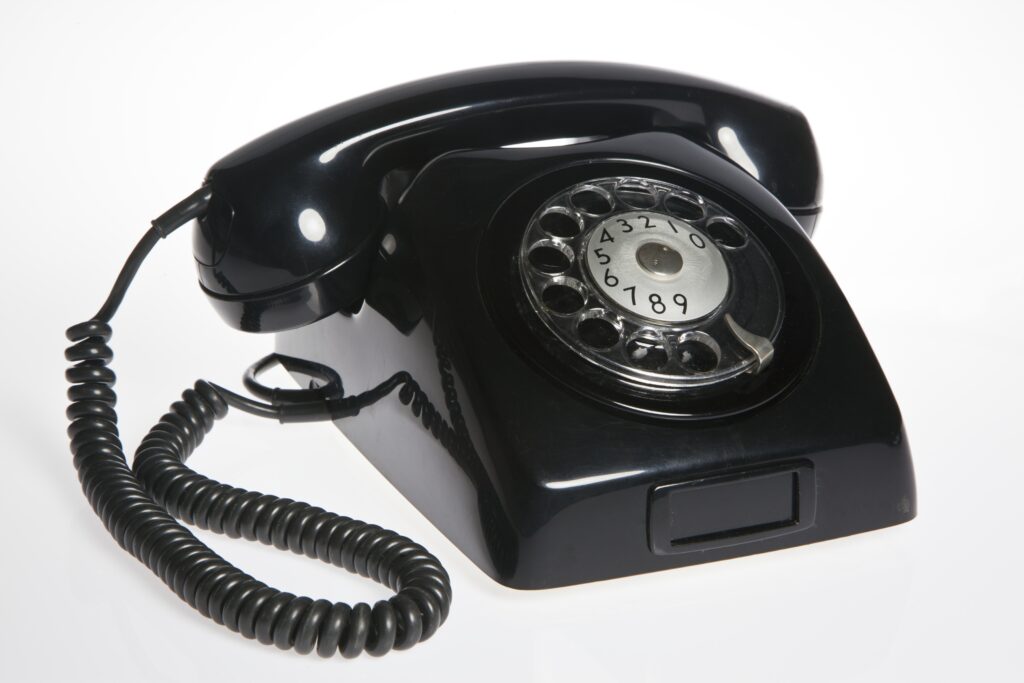
Image Credit: Photo by Ellinor Algin / Swedish National Museum of Science and Technology, CC BY 4.0 via Wikimedia Commons

We didn’t “tap” a contact; we earned the call. We slid a finger into each numbered hole and pulled, listening to the dial spin back with a firm, mechanical rhythm. Numbers heavy with 9s and 0s felt like a slow punishment. And if we misdialed the last digit? We started over, no backspace, no mercy.

The rotary phone wasn’t just a device; it was a piece of furniture. It lived on a hallway table with a notepad, a pen that never worked, and a cord long enough to wrap around an entire family argument.

Watching TV Sign Off After the National Anthem, Then Snow
Classic Things Only Baby Boomers Remember
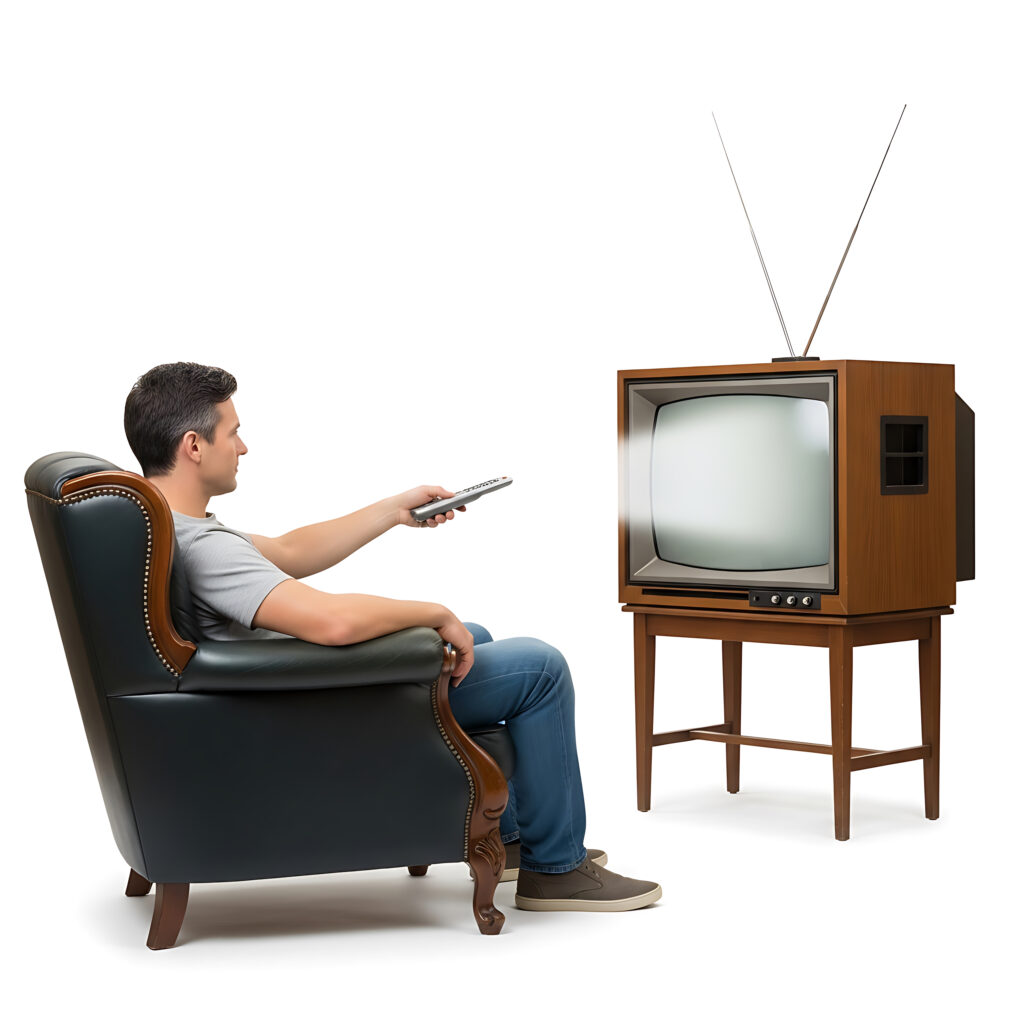
Image Credit:rikta67/123rf Photos

We grew up when television went to bed. Late-night programming ended. The national anthem played. A test pattern or patriotic montage flashed. Then the screen dissolved into static, that hypnotic hiss of “TV snow” that signaled the day was officially done.

It created a strange shared rhythm across households: the world quieting down together, the living room dim, the last glow of the tube fading into the night.

Using the Phone Book Like a Search Engine With Paper Cuts

Classic Things Only Baby Boomers Remember
Image Credit: nsdefender/123rf Photos

We didn’t “Google” a number. We wrestled a phone book, white pages for people, yellow pages for businesses, pages thin as onion skin and just as eager to slice a fingertip.

We remember looking up neighbors by last name, scanning columns in tiny print, and circling a listing with a pencil. The phone book wasn’t optional; it was a household utility as essential as the landline itself.

Adjusting Rabbit Ears to Make a Show Watchable

A fuzzy picture wasn’t a glitch; it was a family assignment. Someone had to stand by the TV and twist the rabbit ears just right while another person shouted directions from the couch:
  • “A little left!”
  • “No—back!”
  • “Hold it—DON’T MOVE!”
We negotiated with the signal and static as if it were a living thing. And somehow, once the picture cleared, it felt like a victory we’d earned together.

Road-Tripping With No Seat Belts, No Car Seats, and No Fear

We rode in cars like the rules hadn’t been invented yet, because, in many ways, they hadn’t. Kids sprawled across the back seat, leaned against the door, napped on a parent’s shoulder, or perched in the “way back.” Long road trips were a mix of sunlight, vinyl seats, and the smell of snacks warming in a paper bag.

The idea of a booster seat, a five-point harness, or a backseat warning alarm would have sounded like science fiction.

Doing Homework With Encyclopedias Instead of Google

Research meant weight. A full set of encyclopedias, often bought from a door-to-door salesperson, sat like a monument in the house. We flipped pages, scanned indexes, copied notes by hand, and learned to summarize without “copy-paste” as a life raft.

When the encyclopedia didn’t have what we needed, we went to the library, navigated shelves, and discovered that answers weren’t immediate; they were earned through effort.

Seeing Beatlemania and Woodstock Turn Music Into Identity

We didn’t just listen to music, we watched it become a movement. Beatlemania felt like a cultural lightning strike. Woodstock became shorthand for an era: freedom, rebellion, community, experimentation, and the belief that music could push society forward.

Even those of us who weren’t there remember the way it loomed, as headlines, as stories, as images, as a signal that the world had shifted and would never fully shift back.

Conclusion

If these memories feel like snapshots from our own life, static after the anthem, the sting of a phone-book page, seeing Beatlemania and Woodstock Turn Music Into Identity, we’re not guessing. We’re remembering. And that means we’re almost certainly baby boomers.

Author

  • Patience Okechukuwu

    Patience is a writer whose work is guided by clarity, empathy, and practical insight. With a background in Environmental Science and meaningful experience supporting mental-health communities, she brings a thoughtful, well-rounded perspective to her writing—whether developing informative articles, compelling narratives, or actionable guides.

    She is committed to producing high-quality content that educates, inspires, and supports readers. Her work reflects resilience, compassion, and a strong dedication to continuous learning. Patience is steadily building a writing career rooted in authenticity, purpose, and impactful storytelling.

    View all posts

Similar Posts

Leave a Reply

Your email address will not be published. Required fields are marked *