8 Shocking Food Facts You Wish You Never Knew

Food is an important part of our daily lives. Whether it’s a quick snack between meetings, a hearty meal at home, or a luxurious dish at a restaurant, the food we eat sustains us in more ways than one.
But as we’ve come to realize, food is also a source of endless curiosity—and sometimes, shock. From the quirky to the downright unsettling, some food facts might make you think twice about what’s on your plate.
Here are 8 shocking food facts that will change the way you view your meals.
Food Can Contain Insects—And We’re Eating Them
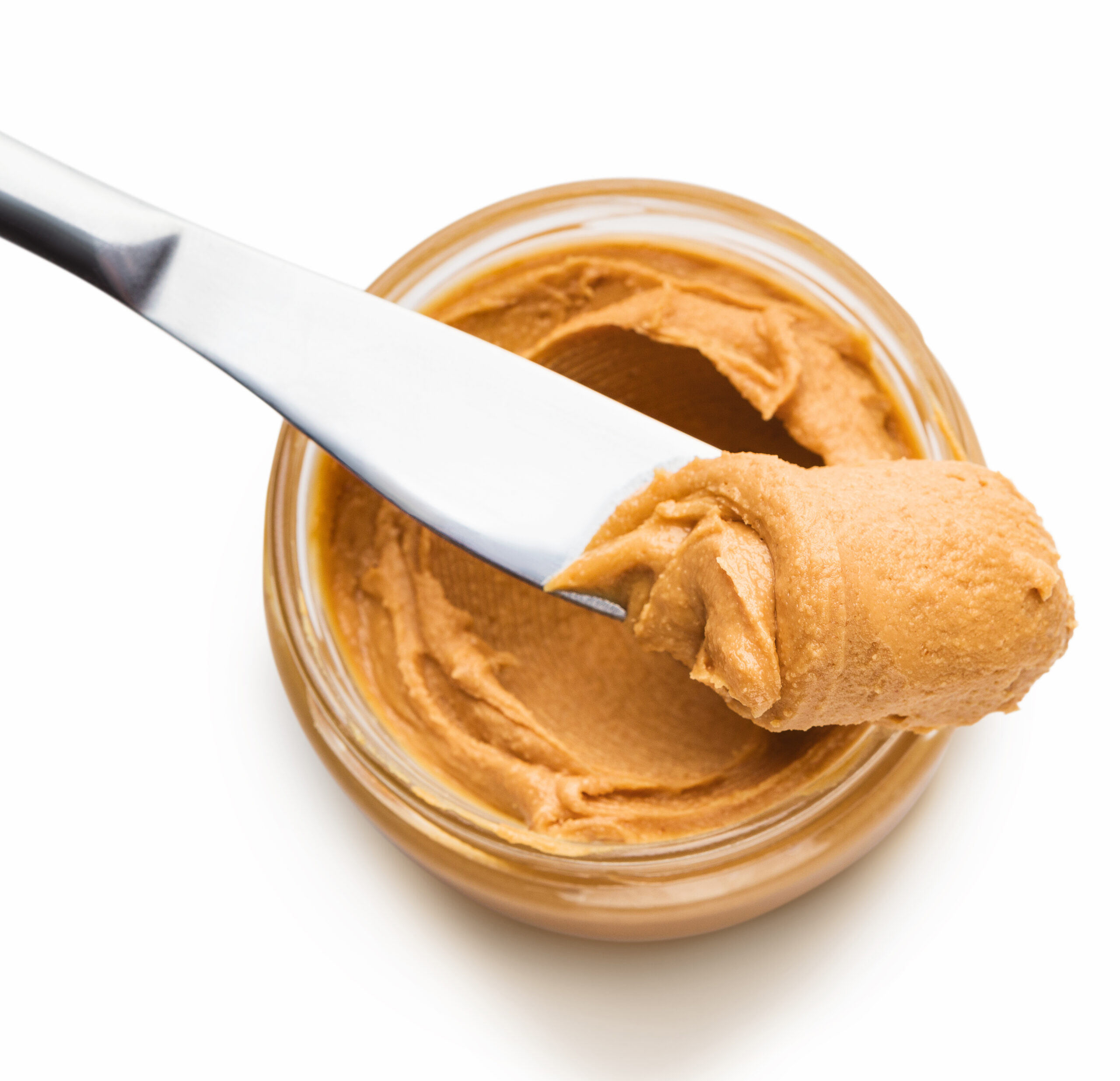
You’ve probably heard that certain foods contain traces of insects, but did you know that it’s entirely legal for food manufacturers to allow small amounts of insect parts in the products we consume?
The FDA allows a specific number of insect fragments in food products, such as chocolate and peanut butter, as long as they don’t exceed a certain threshold. While this may seem off-putting, these levels are deemed safe for consumption.
Cheese Is Riddled With Mystery Enzymes
Processed Meats Are Loaded With Additives

Hot dogs, sausages, and other processed meats often contain a variety of additives, including nitrates and nitrites, which help preserve the meat and enhance its color.
These additives have been linked to potential health risks, including cancer. Though the FDA has approved them for use, concerns about their long-term health effects continue to linger.
Chocolate Contains More Than Just Cocoa
Chocolate lovers, beware: when you indulge in that decadent bar of chocolate, you may be consuming more than just cocoa beans and sugar.
The FDA allows small amounts of non-cocoa material, such as insect parts or mold, in chocolate products. While the amounts are minimal, it’s a good reminder of the imperfections that can sometimes be found in your favorite sweet treat.
We Are Eating Plastic Without Even Knowing It
Microplastics are small plastic particles that have infiltrated the food chain. A recent study has shown that these tiny particles can be found in seafood, salt, and even honey.
The long-term health effects of consuming microplastics remain unclear, but it’s an alarming development that should raise awareness about the pollution that affects our food sources.
The Sugar in Soda Isn’t Just Sweet—It’s Addictive
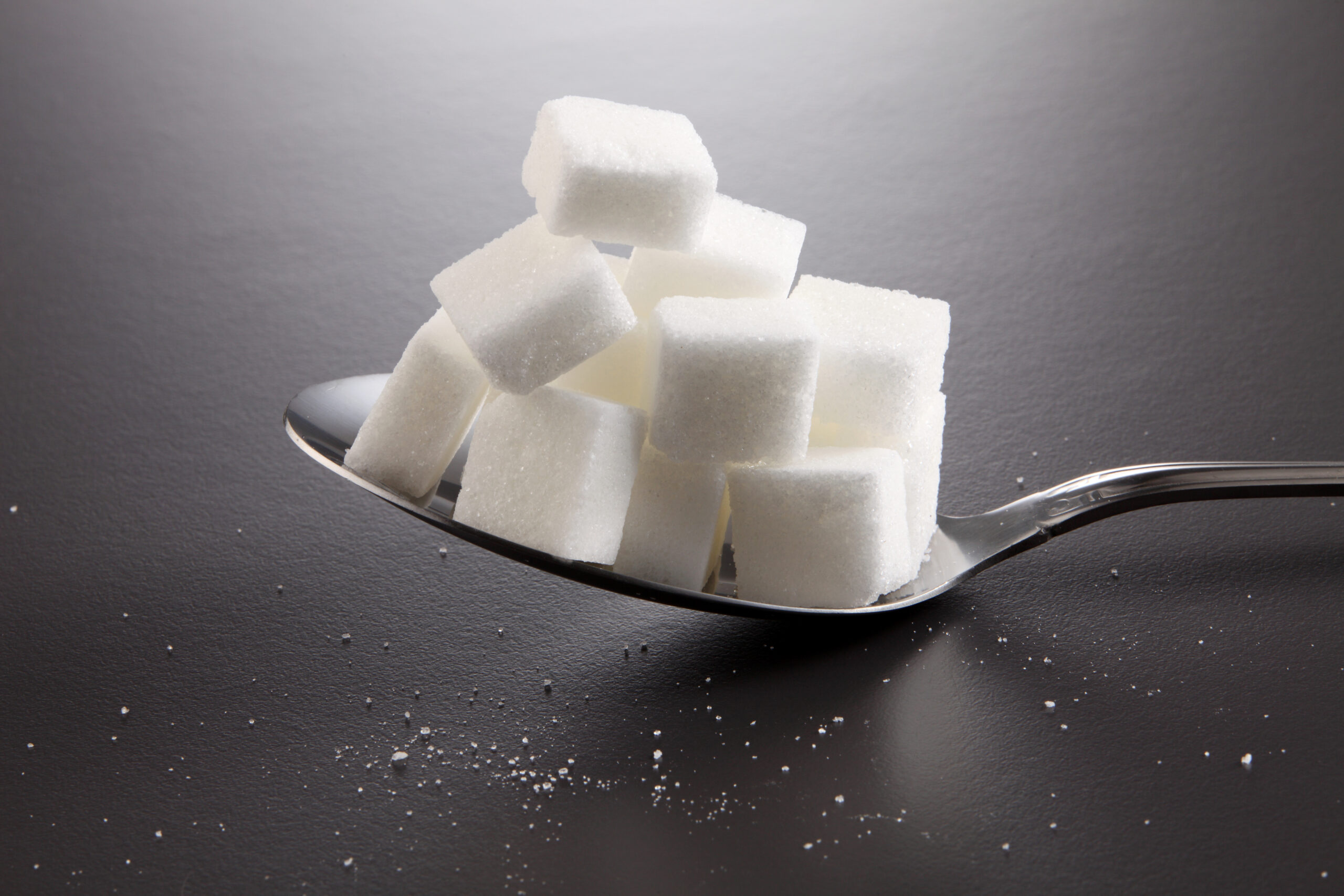
Soda is infamous for its sugar content, but recent research suggests that the sugar in soda can have an addictive effect on the brain.
The spike in blood sugar caused by sugary drinks can trigger cravings for more sugar, leading to an unhealthy cycle. While a soda every once in a while might not be harmful, regular consumption can lead to a dependency on sugar that’s hard to break.
You’re Probably Eating More Salt Than You Think

Experts warn that the average person consumes nearly twice the recommended daily limit of salt. Keeping track of your sodium intake is essential for maintaining long-term health.
Artificial Sweeteners Aren’t as Harmless as They Seem
While artificial sweeteners are marketed as a healthier alternative to sugar, their long-term effects on health are still up for debate.
Some studies suggest that artificial sweeteners may contribute to weight gain, metabolic issues, and even an increased risk of certain diseases. Despite being calorie-free, these sweeteners may not be as benign as they are often portrayed.
Key Takeaways
The next time you sit down to eat, consider these unsettling food facts. While they may not stop you from enjoying your favorite treats, they certainly give you a lot to think about when it comes to what you’re putting on your plate.
Food, after all, is not just fuel—it’s a reflection of our culture, our history, and even our environment. Proceed with knowledge and enjoy your meal, but now, you might approach food with a little more caution.
Read the original article on crafting your home