6 grocery store habits that drive Baby Boomers crazy

You know that feeling when you’re cruising through the produce aisle, list in hand, and you spot someone in fuzzy slippers eating an unpaid banana? If you’re a Baby Boomer, that sight probably makes your blood boil. With a staggering $5 trillion to $6 trillion in annual spending power, Boomers are the undisputed heavyweights of the grocery world, and they typically treat the supermarket with a level of respect that seems to be fading.
But lately, the aisles have turned into a battleground of manners. A recent Pew Research Center survey reveals that 47% of Americans believe public behavior has gotten significantly ruder since the pandemic. For a generation that values decorum, these new habits are absolute deal-breakers. They might have a point.
The “Pajamafication” of Aisle 4
Remember when leaving the house required actual pants? For Baby Boomers, the grocery store is a public space that demands a minimum standard of presentation. Still, younger generations have embraced a “comfort-first” mentality that often resembles sleepwear. While 94% of Boomers prioritize comfort in their clothing, they draw a hard line at wearing flannel bottoms and house shoes next to the fresh sourdough.
To a Boomer, seeing someone shop in pajamas signals a lack of respect for the institution and the community. It’s a cultural clash that goes beyond fashion; it’s about the erosion of public standards. While Gen Z might call it a “vibe,” older shoppers often view it as a sign that society has officially given up.
Grazing on Unpaid Groceries
Nothing triggers the Boomer sense of justice quite like watching a shopper snack on food they haven’t bought yet. While a 2024 USA Today poll shows Americans are split nearly 50/50 on whether snacking in-store is rude, Boomers overwhelmingly view it as a breach of the social contract—and technically, theft.
Why does this drive them crazy? It’s the principle of the transaction: you pay, then you eat. Watching someone casually munch on grapes or sip a drink before hitting the register feels like a breakdown of law and order. Legal experts actually back this up, noting that until you pay, that item belongs to the store.
The Parking Lot Cart Ditch
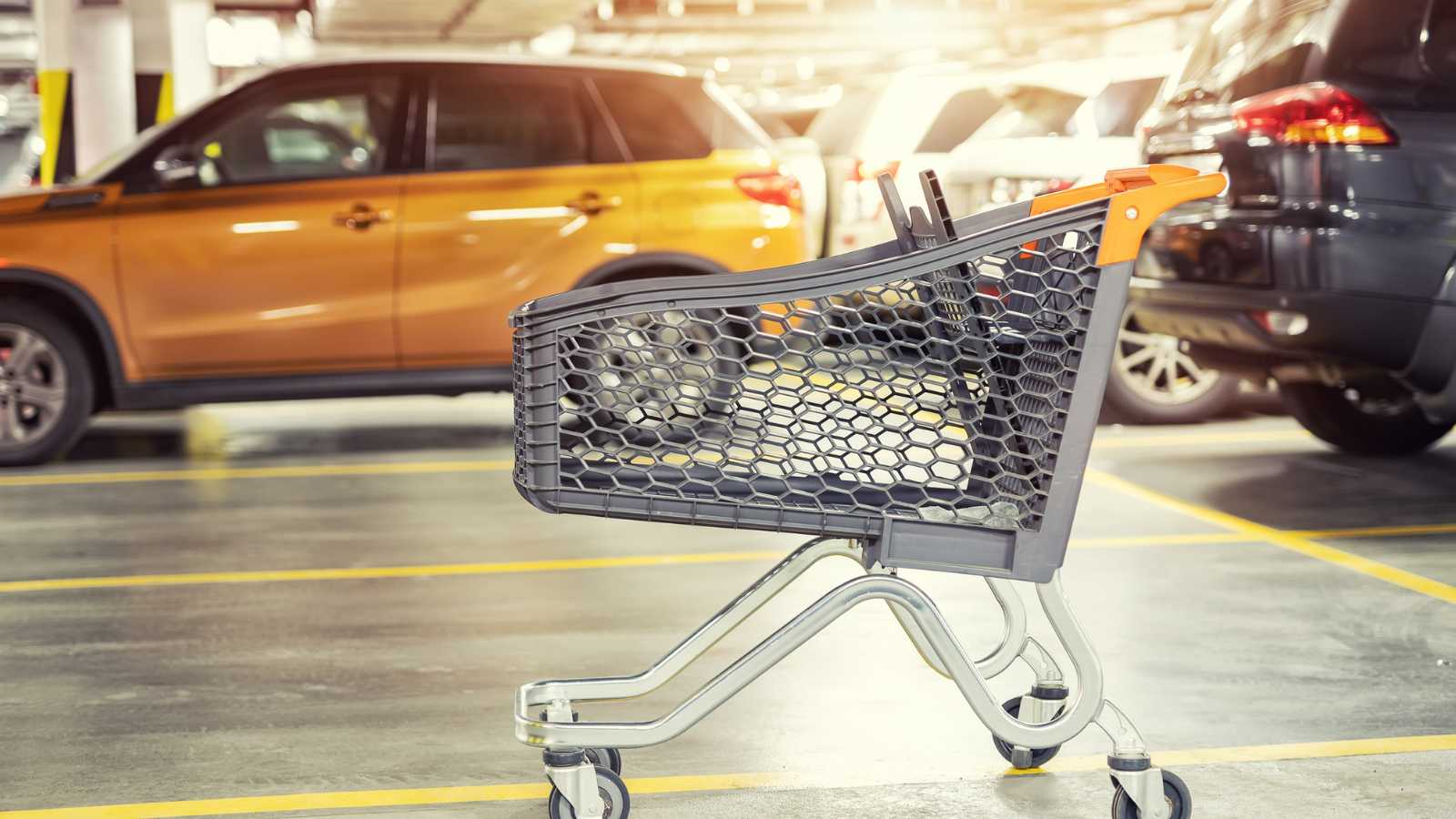
Ever heard of the “Shopping Cart Theory”? It suggests that returning a cart is the ultimate test of moral character because there is no reward for doing it and no punishment for skipping it. For Boomers, spotting a stray cart blocking a parking spot is a clear sign of laziness and moral decay.
This generation views the parking lot as part of the community space, and leaving a cart adrift is disrespectful to other drivers and store staff. While younger shoppers might assume “someone is paid to collect that,” Boomers see it as a personal failure of self-governance.
The Gig-Worker Takeover
Boomers prefer to navigate aisles methodically, often hitting “most aisles” to hunt for deals. Enter the professional Instacart shopper: rushing, phone-focused, and frequently blocking the entire aisle to scan a barcode. In a recent industry discussion, 100% of panelists agreed that in-store pickers disrupt the traditional shopping experience.
These gig workers are on a timer, which means they move fast and often lack spatial awareness. For a Boomer who views shopping as a leisure activity or a social ritual, being cut off by a professional picker is jarring. It transforms the friendly neighborhood market into a chaotic fulfillment warehouse.
Checkout Phone Zombies
For many Boomers, the checkout interaction is a “micro-social” moment—a chance to say hello and exchange pleasantries. Data by ResearchGate shows that some shoppers still prefer human interaction at checkout, a preference that spikes significantly after age 55.
That’s why seeing a shopper on their phone, ignoring the cashier completely, is seen as the height of rudeness. Surveys indicate that 57% of adults believe it is rarely or never acceptable to wear headphones or talk on the phone while interacting with service staff. It dehumanizes the worker and slows down the line, two things that drive efficiency-minded Boomers up the wall.
Express Lane Math Failures
Boomers respect rules, and the “10 Items or Less” sign is not a suggestion—it’s a law. Yet studies on express lane compliance show that only about 10% of shoppers strictly adhere to the item limit.
When a shopper rolls into the express lane with a full cart, it feels like a personal slight to everyone waiting behind them. This isn’t just about time; it’s about entitlement. To a Boomer, breaking this simple rule says, “My time is more important than yours,” and that is the ultimate grocery store sin.
Key Takeaway

The grocery store is a microcosm of society, and for Baby Boomers, the rules of engagement are slipping away. From pajama-clad shoppers to express lane violators, these habits represent a shift from community-mindedness to individual convenience. Next time you grab a cart, maybe check your item count—you might just make a Boomer’s day.
Read the Original Article on Crafting Your Home.