


Starting seeds indoors can give your plants a head start, but for certain vegetables, herbs, and flowers, it’s best to sow them directly in the garden.
Some plants are sensitive to transplanting and don’t thrive when moved from pots to the soil. If you’re working with limited space under grow lights, or simply want to avoid the hassle of starting seeds indoors, this guide will help you choose the right plants to direct sow.
Beans
Beans, such as green beans, are quick-growing and do best when sown directly in the garden. Their taproots make them highly vulnerable to transplant shock, and moving them after they’ve started growing can stunt their development.
If you have a short growing season, you can try pre-warming the soil with clear plastic sheeting to help the seeds germinate faster.
- When to sow: A few weeks after your last frost date
- Days to harvest: 50 to 65
Beets

Beets struggle with transplanting as their roots tend to become tangled and misshapen. It’s better to direct sow them, where they can grow without any disruption to their roots. Be sure to plant them about a month before the last frost to ensure a healthy harvest.
- When to sow: About a month before your last frost
- Days to harvest: 50 to 60
Carrots
Carrots are another vegetable that should never be started indoors. Their long taproots are the edible part of the plant, and transplanting them can lead to distorted growth. Direct sowing carrots allows them to grow freely and form the long, straight roots we love.
- When to sow: A few weeks before your last frost date
- Days to harvest: 60 to 70
Cucumbers
Cucumbers have delicate seedlings that don’t handle transplanting well. Starting them indoors might extend your growing season, but plants sown directly in the garden will often surpass transplanted ones in size and health. Wait until the soil warms to about 70°F for the best results.
- When to sow: When soil temperatures reach 70°F
- Days to harvest: 50 to 70
Peas
Peas are ideal for direct sowing, especially in cooler climates where they can be planted as soon as the soil is workable. Their roots are fragile and can break during transplanting, so it’s best to avoid disturbing them. Plant peas early in the spring to get the most out of your growing season.
- When to sow: As soon as the soil can be worked in spring
- Days to harvest: About 60
Radishes

Radishes grow quickly, often in as little as 21 days. There’s no need to start them indoors, as they will do best when sown directly in the garden. Whether you’re planting in the spring or fall, radishes will thrive in cooler temperatures, making them a great option for successive planting.
- When to sow: 4 to 6 weeks before your last frost date
- Days to harvest: 21 to 28
Turnips
Turnips, like radishes, don’t transplant well because moving them stresses the roots. It’s easier and more successful to sow them directly in your garden beds, where they can grow without the risk of disruption. Plant them in spring or fall for the best results.
- When to sow: A few weeks before your last frost
- Days to harvest: 60 to 90 (longer for rutabagas)
Winter Squash
Winter squash varieties like acorn, butternut, and pumpkin should be sown directly in the garden. Their shallow roots are sensitive to being moved, so transplanting them will stunt their growth. Wait until the risk of frost is gone and the soil reaches around 60°F.
- When to sow: After the last frost and when soil temperatures are about 60°F
- Days to harvest: 80 to 120
Zucchini
Zucchini thrives when directly sown outdoors. Starting them indoors can stress the roots, making them vulnerable to pests and diseases. Since they grow quickly, there’s no need to start them early in most climates.
- When to sow: At least 3 weeks after your last frost
- Days to harvest: 40 to 60
Anise
Anise is a herb that doesn’t like being transplanted, especially because of its deep roots. If you must start it indoors, be sure to use large containers to minimize root disturbance. However, it grows best when directly sown in soil that is warm enough to support germination.
- When to sow: When soil temperatures reach 60 to 70°F
- Days to harvest: Up to 120 (for seed); sooner for leaves
Cilantro

Cilantro is an herb that develops a fragile taproot, making it unsuitable for transplanting. It’s much easier and more successful to direct sow cilantro, especially since it matures quickly. Succession planting every few weeks will give you a continuous harvest throughout the season.
- When to sow: When soil temperatures reach 55°F
- Days to harvest: 21 to 28 for leaves, 45 for seeds
Dill: Reseeds Easily and Doesn’t Like Being Moved
Dill has a long taproot and is best grown when directly sown in your garden. It also reseeds itself easily, providing you with an abundant supply year after year. Since dill grows quickly, there’s no reason to start it indoors.
- When to sow: After the last frost
- Days to harvest: 28 to 56
Milkweed
Milkweed is a perennial with a long taproot, making it difficult to transplant successfully. The best way to grow it is by sowing the seeds directly in the garden, ideally in late fall or just after the first frost, to help break the seed coat and promote germination.
- When to sow: Late fall, before or after the first frost
- Days to maturity: 60 after sprouting
Nasturtiums
Nasturtiums have sensitive taproots that don’t transplant well, so it’s better to sow them directly in the garden. With their fast germination, you won’t lose much bloom time by waiting to sow them outdoors. Consider scarifying the seeds before soaking them for best results.
- When to sow: About 2 weeks before your last frost date
- Days to maturity: 40 to 60
Poppies
Poppies are another plant that should be direct sown, as they have a long taproot that is difficult to transplant. They can be sown in the fall for winter germination or in the spring for faster growth. Sow them about a month before your last frost for the best results.
- When to sow: In the fall or about a month before your last frost date
- Days to maturity: 60 to 90
Sunflowers
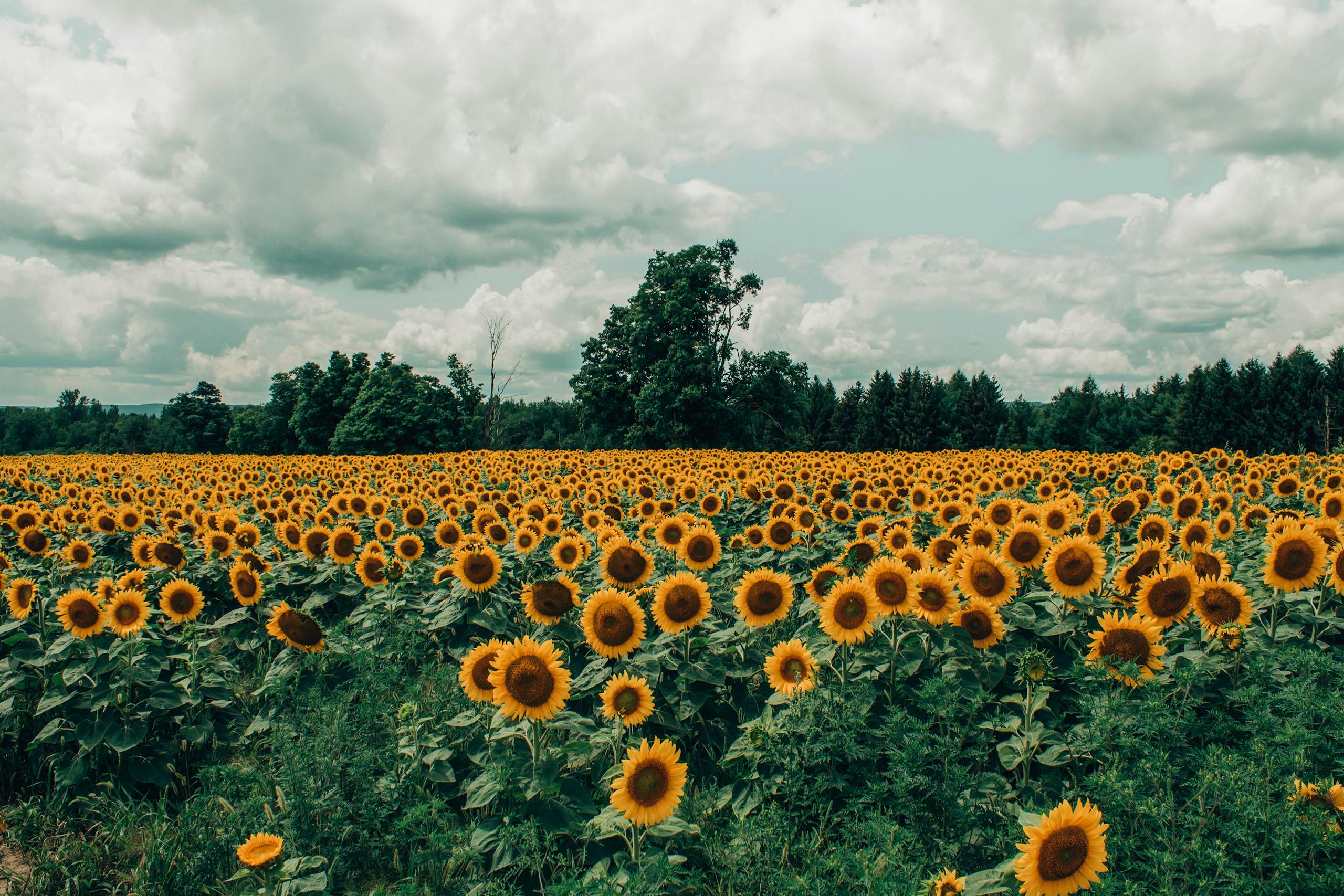
Sunflowers grow best when directly sown in the garden. Their taproots are strong, and they grow very quickly once the temperatures warm. Sow the seeds 1 inch deep and about 6 inches apart, thinning them if they grow too closely together.
- When to sow: After the soil warms to 55°F
- Days to maturity: 60 to 100
Zinnias
Zinnias are vibrant annual flowers that thrive when direct sown in the garden. They don’t like being moved, especially after a few weeks of indoor growth when they might become rootbound. Direct sowing ensures they stay healthy and continue blooming throughout the summer.
- When to sow: After your last frost date
- Days to maturity: 80
Summary of Plants That Thrive When Direct Sown
By choosing to direct sow these plants, you’ll not only avoid transplant shock but also ensure that your garden thrives.
Whether you’re growing vegetables, herbs, or flowers, understanding which plants benefit from direct sowing will give you better results and reduce the stress of transplanting.


