15 Forgotten Areas You Need to Clean in Your Home
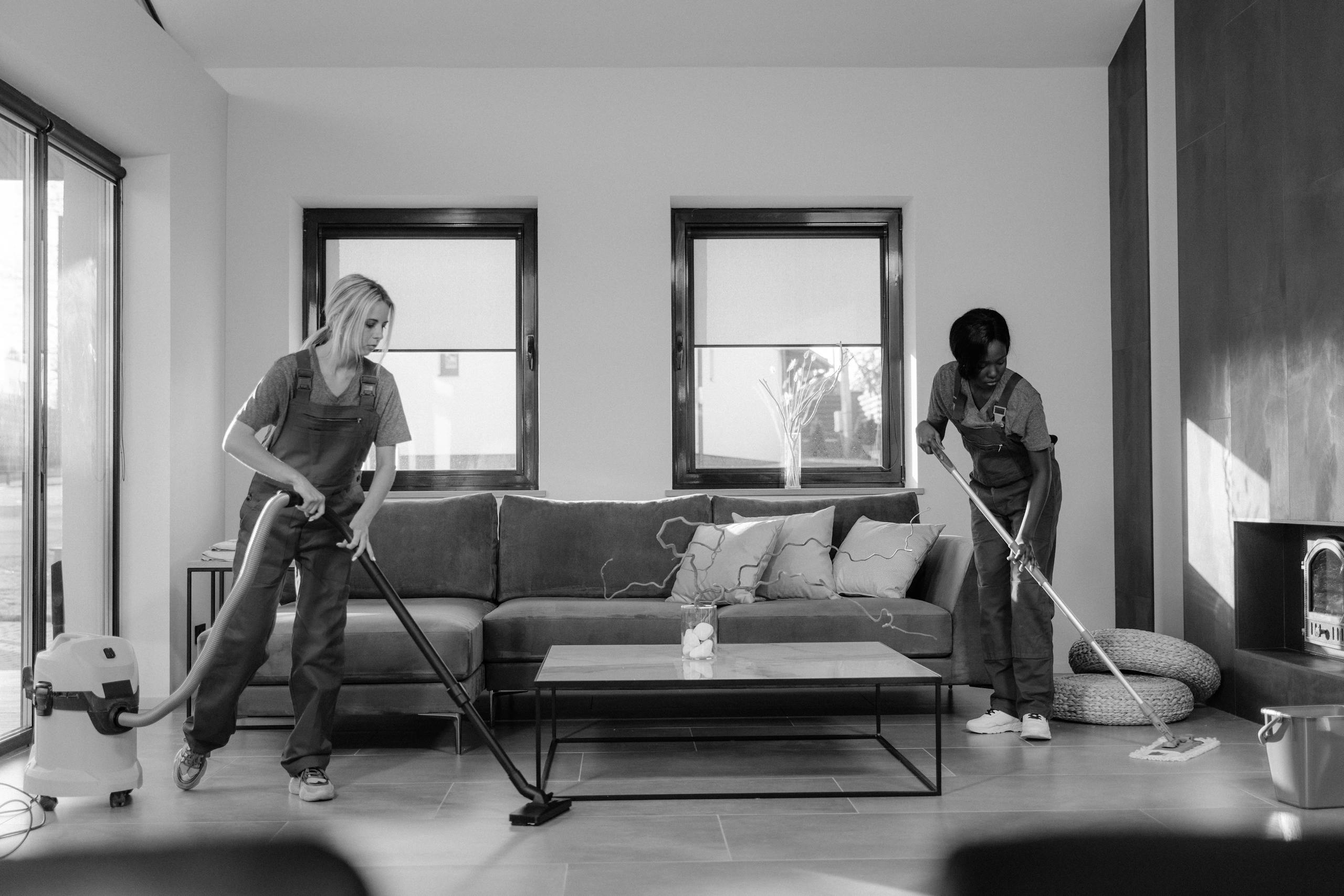
Maintaining a clean home is essential for health and well-being, but even the most diligent housekeepers tend to overlook certain areas.
These often-forgotten spots are the ones that can accumulate dirt, dust, and grime, creating an environment that is less than pristine.
This guide will walk you through the commonly neglected areas of your home, providing detailed instructions on how to properly clean them and maintain a hygienic environment.
High-Traffic Surfaces
Kitchen Cabinet Handles and Light Switches
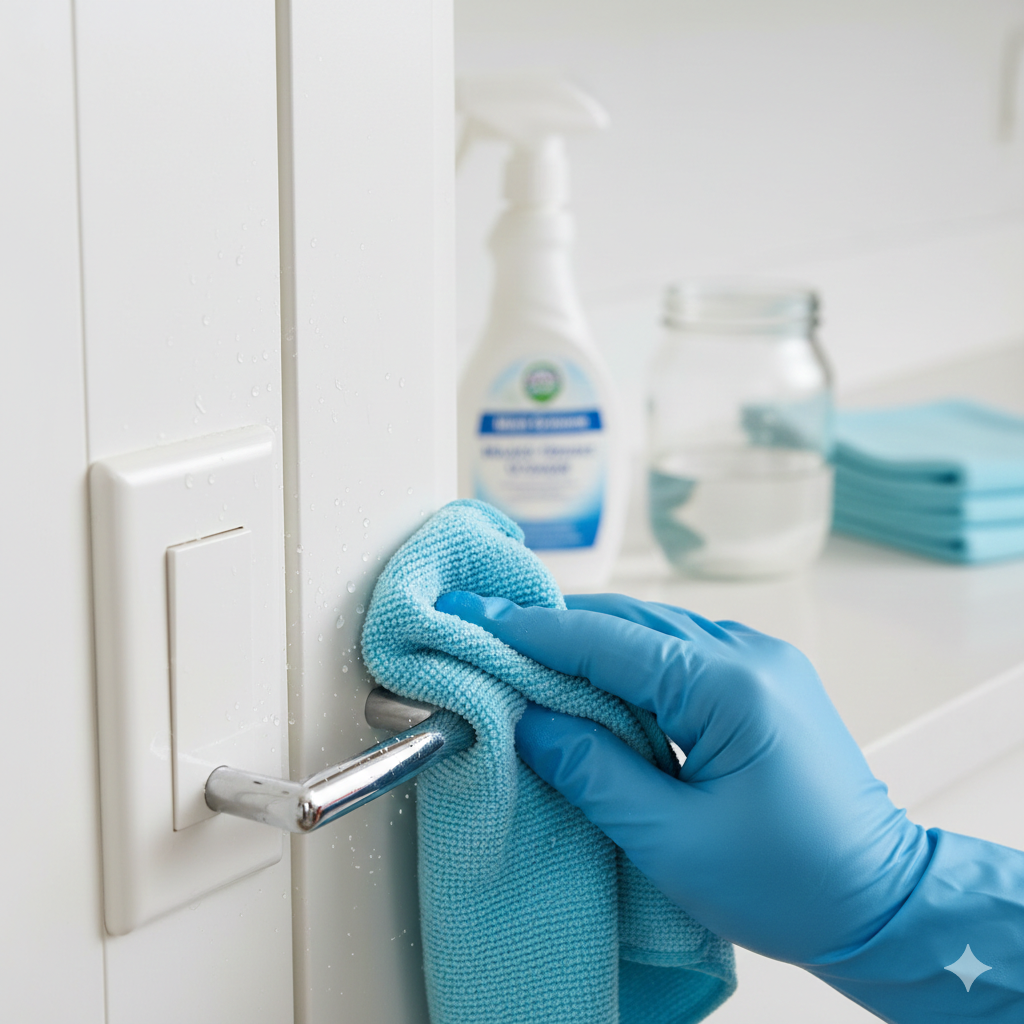
Handles, light switches, and doorknobs are high-touch areas that can easily accumulate fingerprints, grease, and germs. These spots often go unnoticed, but they play a significant role in maintaining a sanitary living space.
How to clean:
- Use a microfiber cloth with a mild disinfectant or a mixture of vinegar and water. Avoid using harsh abrasives to preserve the finish on these surfaces.
- Wipe down the handles and light switches gently, paying extra attention to crevices where grime may gather. Repeat this process at least once a week to keep these areas clean and sanitized.
Baseboards and Door Frames
Baseboards and door frames are often neglected during cleaning routines. Over time, dust, pet hair, and grime can accumulate, and these areas can become discolored. Clean baseboards and door frames not only make the home look better but also improve air quality by reducing dust build-up.
How to clean:
- Use a damp microfiber cloth or a soft sponge to wipe down baseboards, door frames, and corners.
- For dirt buildup, use a mixture of warm water and a few drops of dish soap. For tough stains, a magic eraser works wonders without damaging the surface.
- Dry the area immediately with a dry cloth to prevent moisture buildup.
Ceiling Fans and Light Fixtures
Ceiling Fans
Ceiling fans are often out of sight and mind, which is why they can accumulate a lot of dust and grime. When turned on, the dust gets dispersed throughout the room, which can affect both the air quality and cleanliness.
How to clean:
- Turn off the ceiling fan and use a step ladder to safely access the blades.
- Drape an old pillowcase over each fan blade, and gently wipe to catch the dust. This technique prevents dust from falling onto the floor or furniture.
- For deeper cleaning, use a microfiber cloth with an all-purpose cleaner to remove stubborn buildup. Always make sure to clean the fan blades on both sides.
Light Fixtures
Light fixtures are another often-forgotten area in cleaning routines. Dust, grime, and even insects can accumulate in light fixtures, affecting the brightness and aesthetic of a room.
How to clean:
- Turn off the power to the light fixtures to ensure safety. Carefully remove the light bulbs and glass covers if necessary.
- Use a damp cloth with a gentle all-purpose cleaner to wipe down the glass or metal components.
- For glass fixtures, use a glass cleaner for a streak-free finish.
- Dry thoroughly to avoid water spots or streaks.
Behind and Under Furniture
Behind the Couch and Furniture
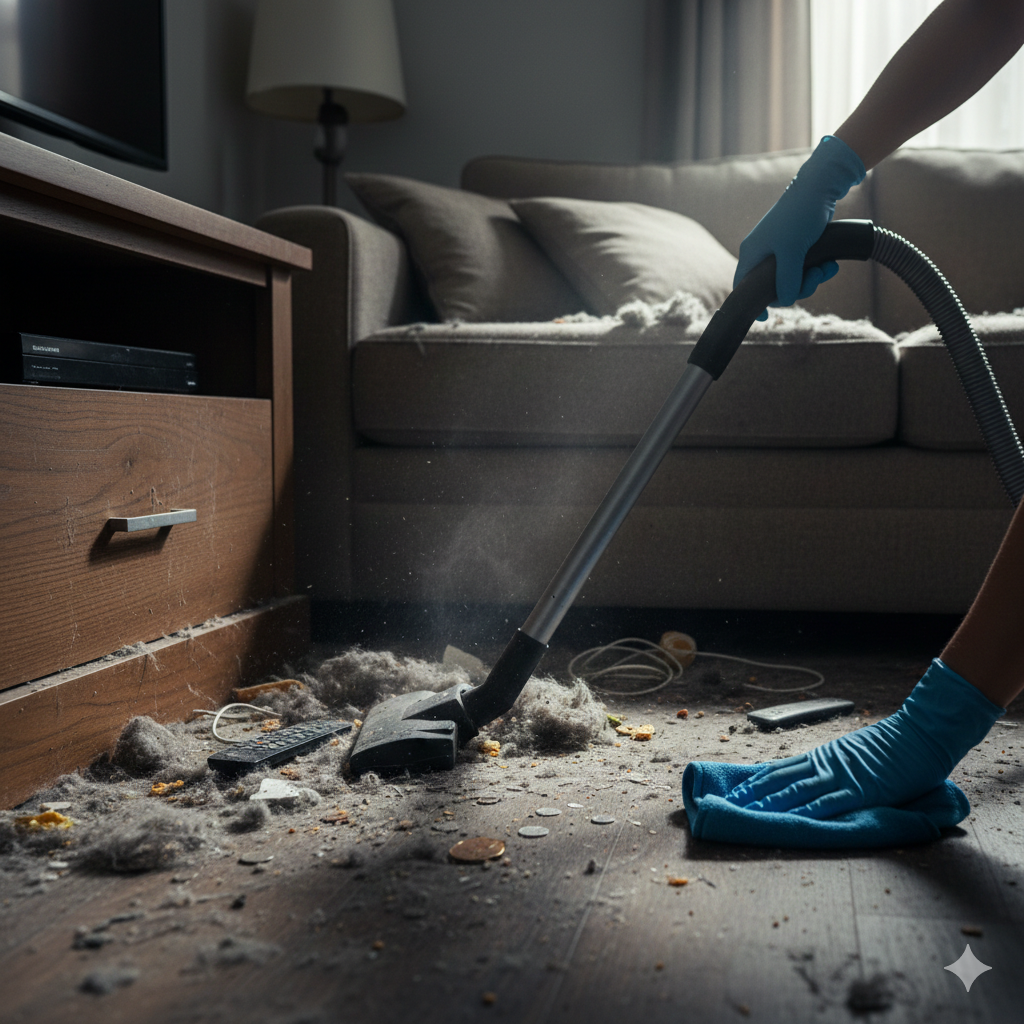
Behind and beneath furniture are some of the most commonly missed areas during regular cleaning. These hidden spaces accumulate pet hair, dust, crumbs, and debris, which are often ignored.
How to clean:
- Move your furniture away from the walls to gain full access to these areas.
- Vacuum thoroughly using an upholstery attachment or hose to reach into corners.
- For wooden or laminate floors, use a microfiber mop to capture dust along the edges. Don’t forget to clean under any large pieces of furniture like bookcases or entertainment centers.
Underneath the Bed
The area beneath the bed is frequently neglected because it’s not always visible, but it can easily gather dust, pet hair, and even forgotten items like socks or books. Over time, this area becomes a haven for dust mites and allergens.
How to clean:
- If possible, lift or move the bed to access the floor beneath.
- Vacuum the area thoroughly, paying special attention to corners.
- If the bed is too heavy to move, use a long vacuum hose attachment to clean around and under the bed. Consider using a cleaning robot for regular upkeep of this area.
Kitchen Appliances and Fixtures
Refrigerator Coils and Drip Pans
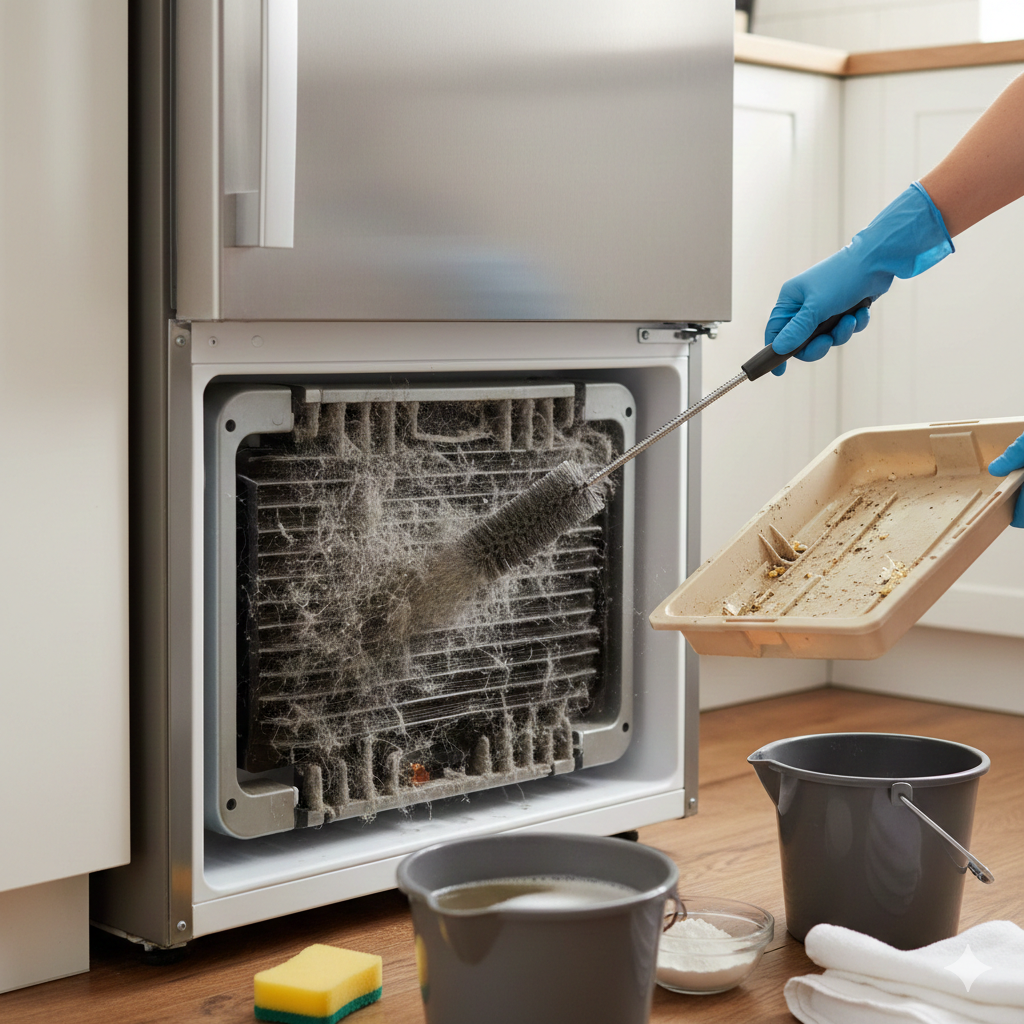
The refrigerator is a central appliance in any kitchen, but the coils and drip pans are often ignored. Dirty refrigerator coils can reduce efficiency and increase energy consumption. Drip pans can collect food particles and moisture, causing unpleasant odors.
How to clean:
- Unplug the refrigerator and carefully pull it out from the wall to access the coils.
- Use a coil cleaning brush or a vacuum with a hose attachment to remove dust and debris from the coils.
- Empty the drip pans and wash them with warm soapy water. For stubborn grime, use a mixture of baking soda and water to scrub.
- Dry the drip pans thoroughly before replacing them.
Oven and Range Hood Filters
The oven and range hood filters collect grease, smoke, and food particles. If not cleaned regularly, they can reduce air quality, contribute to unpleasant odors, and even become fire hazards.
How to clean:
- Remove the range hood filters and soak them in hot, soapy water for at least 30 minutes to break down grease.
- Scrub with a soft brush or sponge to remove any remaining buildup.
- Clean the range hood surface with a degreasing cleaner or an all-purpose kitchen cleaner.
- Dry the filters before reinstalling them.
Air Vents and HVAC Filters
Air Vents
Air vents are often overlooked, but they can become clogged with dust and dirt, reducing the efficiency of your HVAC system and impacting air quality. Regular cleaning helps keep airflow steady and allergens at bay.
How to clean:
- Use a vacuum cleaner with a soft brush attachment to remove dust from the vents.
- Wipe the vent covers with a microfiber cloth and an all-purpose cleaner.
- For hard-to-reach areas, use a long dusting wand or a soft brush to clean both the front and sides of the vents.
HVAC Filters
HVAC filters capture dust, pollen, and pet dander, but they can quickly become clogged and inefficient if not replaced or cleaned regularly. Dirty filters can strain your HVAC system and reduce air quality in your home.
How to clean:
- Check the filters every 1 to 3 months, depending on the type of filter and household conditions.
- If the filters are reusable, rinse them under warm water to remove accumulated dust and debris.
- If the filters are disposable, replace them with new ones according to the manufacturer’s recommendations.
Bathroom Areas
Shower Curtains and Tiles
Shower curtains and bathroom tiles are prone to mold, mildew, and soap scum buildup. These surfaces should be cleaned regularly to prevent the growth of harmful bacteria and maintain a fresh bathroom environment.
How to clean:
- Wash shower curtains (if fabric) in the washing machine using a mild detergent and a little bleach if mildew is present.
- For plastic shower curtains, wipe them down with a mixture of water and vinegar to remove soap scum and mildew.
- Clean the tiles with a bathroom cleaner or a vinegar and baking soda paste to remove buildup. For grout, use a grout cleaner or a mixture of baking soda and hydrogen peroxide for effective stain removal.
Behind the Toilet
The area behind the toilet is one of the most neglected spots in the bathroom. Dust, bacteria, and urine stains often accumulate, making it an important area to clean regularly.
How to clean:
- Move the toilet slightly away from the wall (if possible) to access the area behind it.
- Use a disinfectant cleaner and a toilet brush to scrub both the floor and surrounding walls. Don’t forget the base of the toilet.
- Wipe down the floor with a disinfecting cloth to ensure any residual bacteria are removed.
Miscellaneous Areas
Electronics and Remote Controls
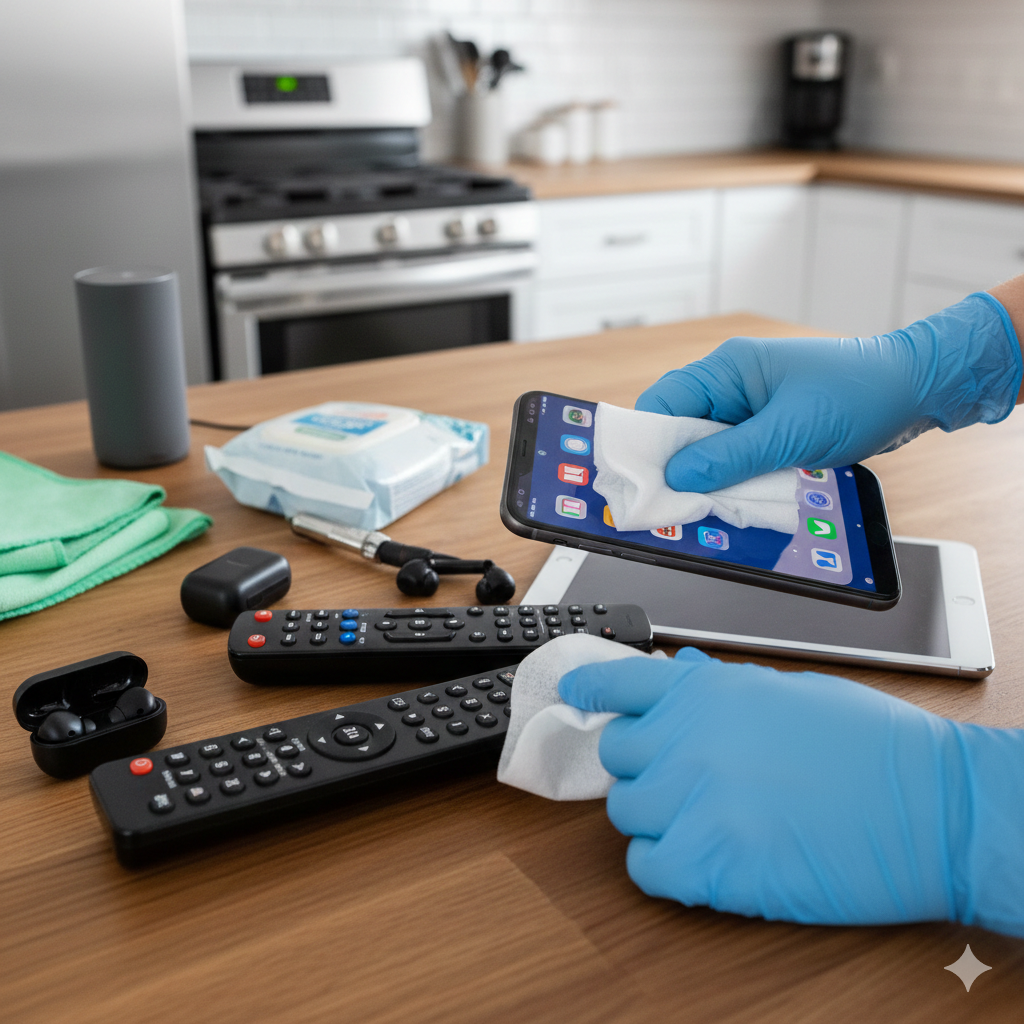
Electronics like remotes, smartphones, and other frequently touched devices are breeding grounds for bacteria and germs. These items often go uncleaned but need regular attention to prevent germs from spreading.
How to clean:
- Use disinfecting wipes or a microfiber cloth with an all-purpose cleaner to wipe down the surfaces of your electronics.
- Make sure to clean remote controls, phones, and tablets—items that are used regularly and can carry germs from one person to another.
- Avoid excessive moisture, especially near buttons and screens, to prevent damage.
Your Washing Machine
While washing machines clean clothes, they also need cleaning themselves to prevent musty odors, soap scum buildup, and mold growth. Neglecting to clean the washing machine can lead to unpleasant odors and reduced performance.
How to clean:
- Run a hot cycle with a washing machine cleaner or a cup of white vinegar to eliminate odors and mildew. For top-loaders, add baking soda to the wash cycle for a deep clean.
- Wipe down the drum, detergent tray, and door seal with a damp cloth. Dry the door seal thoroughly to prevent mold buildup.
- Clean the lint trap or filter regularly to ensure optimal performance.
Conclusion
Every corner of your home deserves attention, especially those often-forgotten spots that accumulate dust, grime, and bacteria.
By adding these areas to your regular cleaning routine, you’ll not only improve the appearance of your home but also create a healthier living environment.
Regular cleaning of high-touch surfaces, hidden areas, and appliances will ensure that your home remains fresh, clean, and hygienic, improving both the look and air quality of your living space.
Read the original article in Crafting Your Home.