


The world of elite gymnastics is unforgiving, demanding precision, discipline, and years of relentless training. For Ava Costa, a 14-year-old gymnast from Brisbane, Australia, her entire adolescence was shaped by this pursuit. From early mornings to grueling daily practices, her goal was singular: the Olympics.
But in a devastating twist, a spinal injury during a routine training session abruptly ended that dream, leaving Ava with no movement below the site of her injury despite immediate medical intervention.
The moment she hit the mat, Ava instinctively knew something was gravely wrong. Emergency surgery followed, but the road ahead was daunting. Weeks turned into months as she underwent rehabilitation and adjusted to the profound realities of her injury.
While the physical challenges were immense, the emotional toll was equally heavy, forcing Ava to confront the loss of a lifelong dream at an age when most teenagers are only beginning to navigate life’s uncertainties.
Redefining Strength Beyond the Gym

Ava’s story has transcended personal tragedy to become an inspiration. Today, she shares her journey on social media, connecting with thousands of people facing similar life-altering challenges.
Her advocacy focuses on accessibility, mobility equipment, and the mental resilience required to overcome sudden setbacks. By reframing strength not as medals or trophies, but as adaptability, courage, and perseverance, Ava has become a role model for young athletes and the broader community alike.
She emphasizes that true achievement lies in the ability to confront adversity, pivot, and continue forward despite life’s most unexpected obstacles. Her approach teaches that personal growth and resilience can emerge from situations where control feels entirely lost.
The Psychological and Emotional Impact of Sudden Injury
For elite athletes, identity is often inextricably tied to performance. Ava’s abrupt exit from competitive gymnastics challenged her sense of self, forcing her to navigate the complex landscape of grief, identity, and ambition.
Mental health specialists note that such early-life trauma can be isolating, yet Ava’s decision to openly document her experiences has fostered community support and reduced stigma surrounding disability and life-changing injuries.
This transparency has helped normalize conversations about physical limitations, rehabilitation struggles, and the emotional journey of redefining purpose after a traumatic event. Ava’s narrative is a powerful reminder that the human spirit can find new pathways even when prior dreams are no longer attainable.
Advocacy and Future Goals
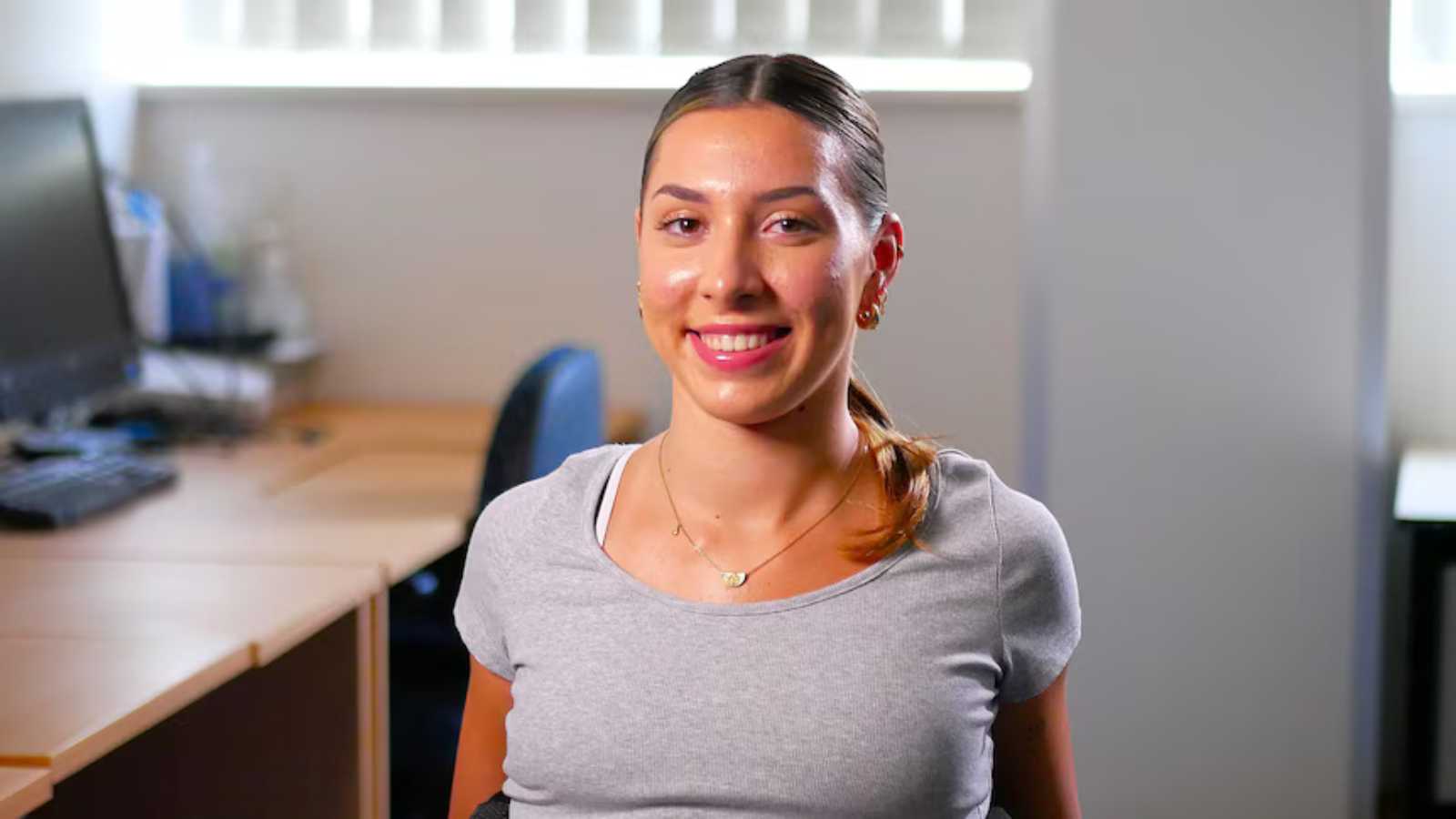
Beyond her personal recovery, Ava Costa is committed to advocacy. She campaigns for better accessibility to adaptive sports, improved rehabilitation resources, and public awareness of spinal injuries in youth athletics.
Her story underscores the need for preventive safety measures in high-risk sports, as well as comprehensive support systems for young athletes who experience career-altering injuries.
By sharing her experiences, Ava is reshaping what it means to be a young athlete. Her vision extends beyond competition: it encompasses resilience, empowerment, and inspiring a generation to recognize that life’s value is not determined by a medal, but by the ability to rise above challenges.
Key Takeaways
- Ava Costa’s Olympic dream ended at age 14 due to a severe spinal injury.
- Immediate medical care could not restore movement below the injury, creating profound life changes.
- Recovery included intensive rehabilitation, emotional adaptation, and advocacy.
- Today, Ava inspires thousands through social media and campaigns for accessibility and adaptive sports.
- Her story highlights resilience, courage, and the redefinition of personal success beyond competition.


