12 Extraordinary Ant Behaviors You Won’t Believe
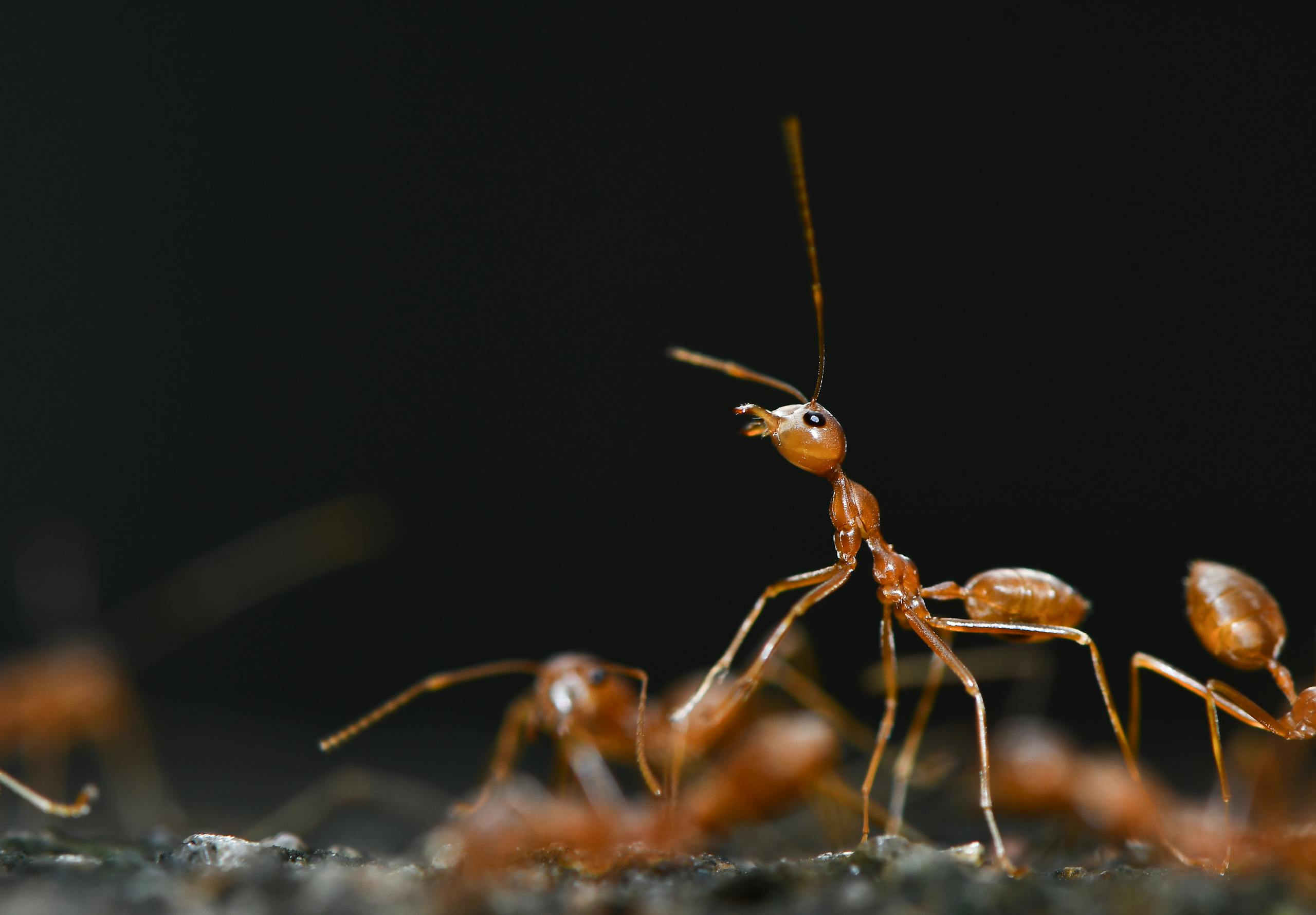
Ants are among the most fascinating creatures on Earth, often overlooked for their small size and industrious nature. But the more you observe them, the more you realize they possess behaviors that range from the bizarre to the downright incredible. Ants are highly social insects, and their behavior is often more complex than we might imagine.
They work in unison, perform feats of strength, and even have unique survival tactics. What follows is a deep dive into 12 remarkable ant behaviors that will leave you astounded.
Ants that Create Giant Floating Rafts
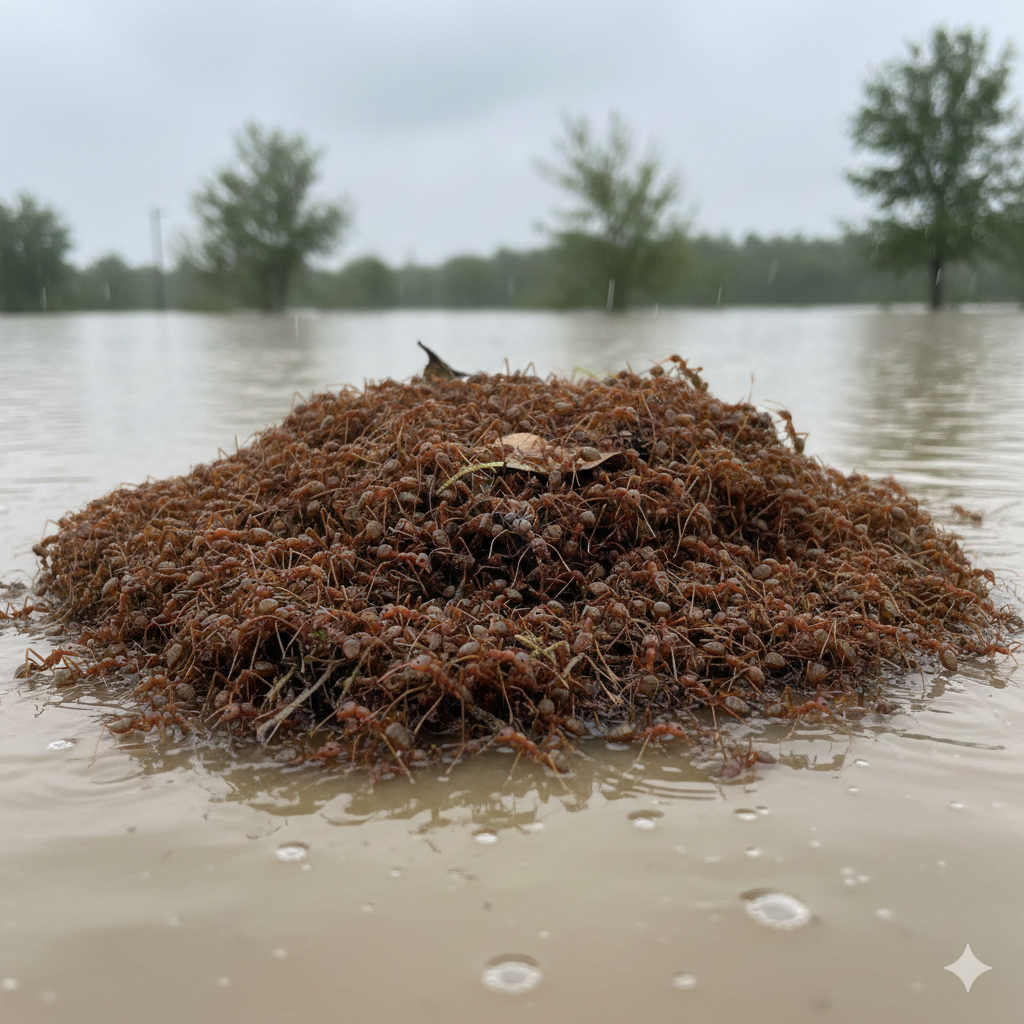
Flooding can be a major threat to ant colonies, especially those living in flood-prone areas. One particular group of ants, the fire ants from South America, have devised an extraordinary strategy to survive floods. These ants have an outer coating that is hydrophobic, meaning it repels water. When a flood strikes, fire ants link together to form floating rafts, a remarkable structure capable of carrying hundreds of thousands of ants to safety. These rafts can stay afloat for weeks, making it possible for the entire colony to survive the deluge. What’s even more astonishing is the ants’ ability to form these rafts within seconds, ensuring that their colony stays intact.
Weaver Ants
Weaver ants are known for their extraordinary ability to build massive nests in the canopies of rainforests across Southeast Asia, Africa, and Australia. These nests are unlike any other; they are not constructed with the usual tools like mud or twigs, but rather with leaves that the ants sew together using silk.
Vampire Ants
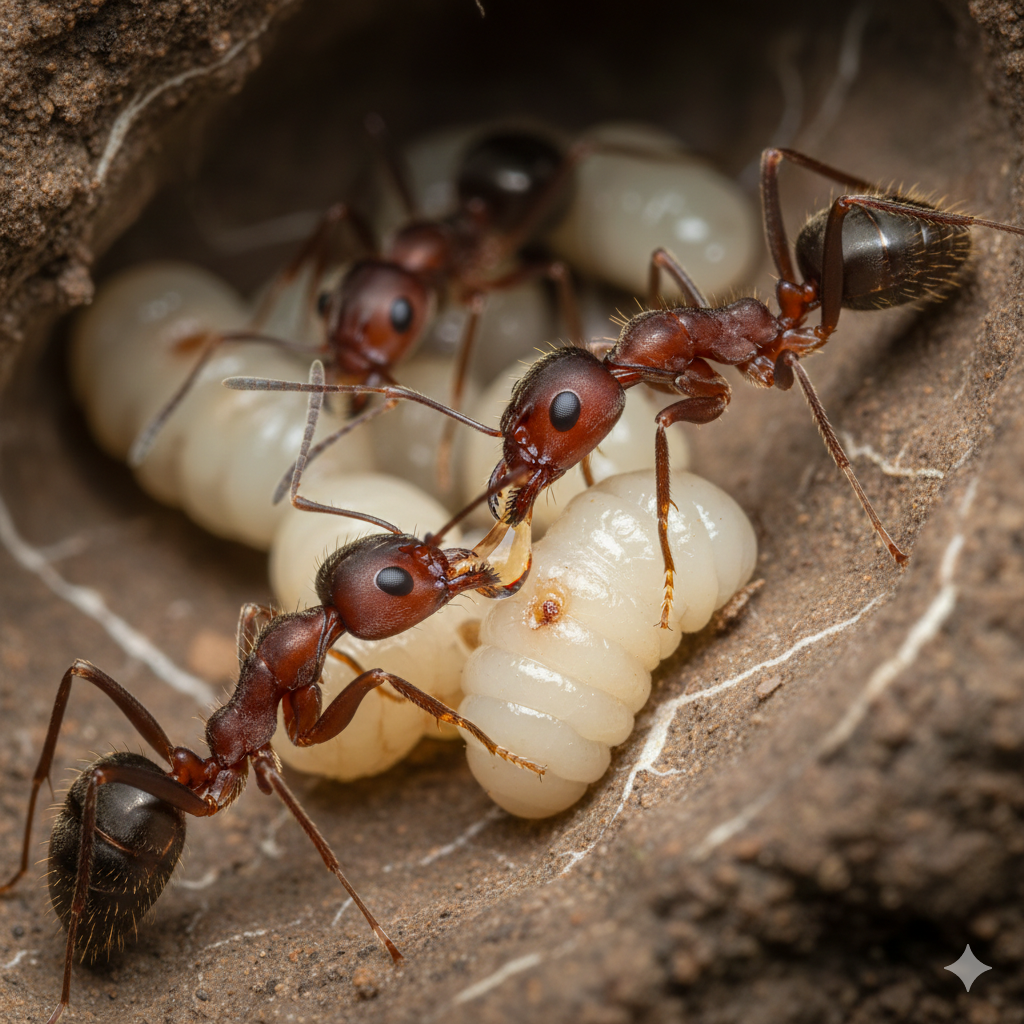
It’s no surprise that nature has its share of gruesome creatures, but few can match the horrifying behavior of the vampire ant, or “Dracula ant.” These ants, native to Madagascar, have a macabre feeding habit: they feast on the blood-like substance of their own larvae.
Door-Head Ants
Some ant species have evolved physical traits specifically designed to fulfill a single purpose: protecting their nests. The door-head ants, a group found in the rainforests of Central and South America, have an extraordinary role within their colonies. These ants use their own heads as doors to block intruders.
Suicide Bombers

Self-sacrifice is often seen as a heroic trait, but in the world of ants, it can also be a life-saving mechanism for the colony. Carpenter ants have developed an extreme form of self-defense that involves self-destruction. When the colony is threatened, worker ants will contract their bodies, rupturing toxic glands that release a deadly chemical spray onto their enemies.
Ants Farming Fungi
While we often think of farming as a human invention, ants have been practicing agriculture for millions of years. Leafcutter ants, for example, are famous for cultivating fungi. They cut leaves and bring them back to their nests, where they use them as a substrate to grow their own fungal crops. These ants are so dedicated to their farming practice that they even have specialized “fungus gardens” within their nests.
Herding Aphids
Ants are not only farmers of fungi, but some species also herd aphids, much like humans herd cattle. The mutualistic relationship between ants and aphids is well-documented. Ants “milk” the aphids for their sweet honeydew, a sugary substance that aphids produce. In exchange, the ants protect the aphids from predators and move them to safer areas if necessary.
Ants that Create and Use Tools
While tool use is often considered a hallmark of human intelligence, some species of ants have been observed using tools in remarkable ways. One well-known example is the use of twigs by weaver ants to build their nests. These ants will find twigs and use them as extensions of their bodies to help pull leaves together, creating more secure and stable nests.
The Amazing Sacrifice of the Ant Soldiers
Ant colonies operate like a single organism, and the concept of individual sacrifice is an integral part of their social structure. In many species, soldier ants will give their lives to protect the colony. In one dramatic example, a group of ants in Brazil sacrifices themselves to seal off their nest entrance by pushing sand into the hole.
Slave-Making Ants

One of the most shocking behaviors among ants is slavery. Some species, known as slave-making ants, engage in the practice of raiding other colonies to capture larvae or eggs, which they then raise as slaves. These slaves are forced to perform tasks such as foraging for food, cleaning, and even defending the colony.
Ants and Their Unbelievable Memory
Ants are not only skilled workers, but they also possess an incredible memory, which they use for navigation and locating food. Research has shown that ants are capable of remembering specific paths and landmarks as they travel to and from their nests. They leave chemical trails as markers, which they use to find their way back to their nest and communicate with others in the colony.
Ants in Mythology
Throughout history, ants have held cultural and symbolic significance in many societies. In Greek mythology, ants were associated with the goddess Demeter, symbolizing hard work, diligence, and selflessness. In African folklore, ants are often seen as a symbol of community and cooperation.
Conclusion
Ants may seem like tiny, insignificant creatures, but their behaviors are anything but ordinary. From building floating rafts to practicing agriculture, from forming close-knit societies to making extreme sacrifices for their colonies, ants exhibit a remarkable range of behaviors that often challenge our understanding of the animal kingdom.
Read the Original Article on Crafting Your Home