
A shower should be a time to unwind, cleanse, and refresh, but certain everyday mistakes can turn what should be a relaxing experience into something less than ideal. From overexposing your skin to hot water to using the wrong products, small shower habits can have lasting effects on your skin, hair, and overall hygiene. These mistakes might seem minor, but they can accumulate over time, affecting your skin’s health and even the lifespan of your bathroom fixtures.
Let’s dive into 12 common shower mistakes you should avoid, and why they matter for your health, safety, and hygiene.
Relying on Daily Hot Showers

There’s nothing quite like stepping into a steaming hot shower, but the allure of hot water comes at a price. Regularly exposing your skin to very hot water can strip it of essential oils, leaving it dry, irritated, and more susceptible to environmental stressors.
Hot showers can also worsen conditions like eczema and rosacea. Instead of cranking up the temperature, try turning it down to lukewarm water. This not only helps preserve your skin’s moisture but also makes your shower more comfortable in the long run. If you can’t resist the heat, limit your time under hot water, and try alternating between warm and cooler temperatures.
Letting the Water Run Too Long Before Getting In
It’s easy to turn on the shower and let the water run while you finish getting ready, but this wastes both water and energy. The average shower uses about 2.1 gallons of water per minute, so allowing it to run while it heats up can lead to significant water waste.
Many modern showerheads heat up water quickly, so there’s no need to leave the water running. Instead, adjust the water temperature to your preference as you step in, and reduce the time the water runs before you get in. This simple adjustment helps save water and money, contributing to a more sustainable and efficient shower routine.
Skipping Bathroom Ventilation
After a hot shower, your bathroom is likely filled with moisture. If your bathroom lacks proper ventilation, this humidity can lead to mold and mildew growth on walls, tiles, and grout. Over time, damp conditions can lead to unpleasant odors and damage bathroom surfaces. It’s crucial to run an exhaust fan during and after your shower to reduce humidity and speed up drying.
If your bathroom doesn’t have a fan, crack a window or leave the door open slightly to allow airflow. This simple step helps keep your bathroom dry, fresh, and mold-free, while also improving your home’s air quality.
Using Harsh or Overly Hot Products

Harsh soaps, body washes, and shampoos can disrupt your skin and hair’s natural oils, leading to dryness and irritation. Many products designed to clean or lather contain chemicals that strip moisture from your skin, leaving it feeling tight and uncomfortable after a shower. Opt for gentle, moisturizing cleansers, especially if you have sensitive skin.
Look for products that are free of sulfates, parabens, and artificial fragrances, which can be drying and irritating. Additionally, avoid using excessively hot water while applying products, as it can further dry out your skin. Gentle cleansers and lukewarm water work best for maintaining healthy, hydrated skin.
Washing Your Hair Every Shower
While washing your hair is essential for cleanliness, doing it every time you shower isn’t necessary for most people. Shampoos, even gentle ones, can strip hair of natural oils, leaving it dry and more prone to breakage. Depending on your hair type, you may only need to shampoo a few times a week, rather than every day.
For those with dry or curly hair, washing once or twice a week is often enough, while those with oily hair might need to wash more frequently. In between, you can simply rinse your hair with water to remove buildup or use a dry shampoo to freshen it up. Reducing the frequency of hair washing helps maintain its natural oils, keeping it healthier and shinier in the long run.
Using Old or Damp Bath Accessories
Loofahs, sponges, and washcloths are essential to many people’s shower routines, but if left damp between uses, they can become breeding grounds for bacteria, mold, and mildew. Using these dirty accessories can lead to skin infections or irritation, especially for people with sensitive skin.
After each use, rinse your bath accessories thoroughly and hang them in a well-ventilated area to dry completely. It’s also a good idea to replace your loofah or sponge every few months, as these items accumulate bacteria over time. Maintaining clean accessories ensures your shower remains hygienic and safe for your skin.
Leaving Your Razor Wet in the Shower
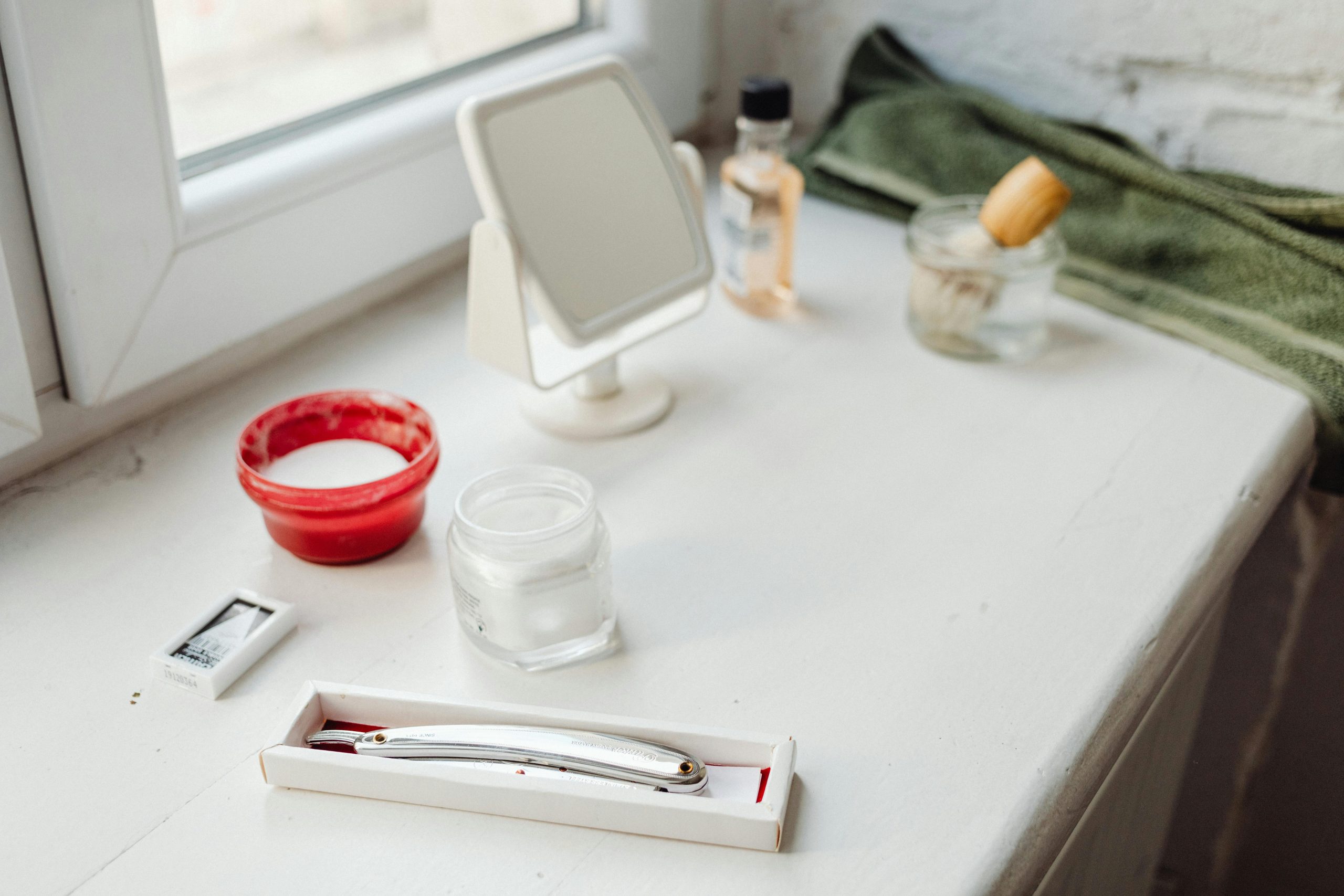
After shaving, many people leave their razor in the shower, where it stays wet and exposed to steam. This leads to rusting, dull blades, and a less effective shave. To extend the life of your razor and ensure a clean shave each time, rinse it thoroughly, dry it with a towel, and store it outside the shower in a dry place.
Keeping your razor in good condition not only saves you money but also prevents skin irritation from using a dull blade. Regularly replacing your razor ensures a smoother, safer shave every time.
Using Chemical Drain Cleaners to Clear Clogs
Clogged drains are a common shower nuisance, but using harsh chemical drain cleaners can damage your pipes over time and pose serious health risks. These chemicals can irritate your skin and eyes, and if overused, they can weaken pipes, leading to leaks or more serious issues.
Instead of using chemical cleaners, try natural alternatives like baking soda and vinegar to clear mild clogs. If you need a more powerful solution, consider using a plumber’s snake or calling a professional. These methods are safer for both your pipes and your health.
Allowing Soap Scum to Build Up
Soap scum is a common issue in showers, especially in areas with hard water. Over time, soap scum can accumulate on shower doors, tiles, and grout, creating a sticky, unsightly residue. Leaving it unchecked can make cleaning more difficult and may even cause permanent stains.
To prevent soap scum buildup, make it a habit to wipe down surfaces with a squeegee or microfiber cloth after each use. You can also invest in a daily shower cleaner that helps break down soap scum before it hardens. Regular maintenance helps keep your shower looking clean and sparkling, reducing the need for harsh cleaning products.
Ignoring Safety Precautions

The shower is one of the most common places for slips and falls, particularly when water makes surfaces slippery. Install grab bars in key areas of the shower, such as near the entrance, along the walls, or on the seat (if you have one).
Non-slip mats or stickers can also provide added traction, reducing the risk of slips. Always be mindful of water pooling at the base of the shower, and keep the floor dry to ensure a safe environment for everyone. With these precautions in place, you can enjoy a safe and secure shower every time.
Exposing Your Face to Hot, Soapy Streams
While your body may tolerate hotter water and soap, your face is much more delicate. The skin on your face is thinner and more sensitive, so exposing it to hot water or harsh soap can strip away natural oils, leading to irritation or redness. Instead of washing your face in the shower, use lukewarm water and gentle face cleansers at the sink.
This helps prevent dryness and allows you to care for your facial skin with products designed specifically for it. If you do wash your face in the shower, avoid letting hot water stream directly onto your face, and always use a mild, hydrating cleanser.
Conclusion
By avoiding these common mistakes, you can enhance your shower experience and improve your skin and overall hygiene. Taking small, thoughtful steps in your shower routine not only saves you time and effort but also helps you be as kind to your body and the environment as possible. Keep these tips in mind next time you step into the shower, and enjoy a cleaner, safer, and more refreshing routine.
Read the original article in Crafting Your Home.