Health research does not always arrive wearing a white coat and a serious face. Sometimes it shows up through sea squirts, cone snails, walnuts, bedroom scents, monks, and the strange science of scratching an itch.
The important thing is not to treat every odd discovery like a medical instruction. Some findings come from mice, small pilot trials, or early-stage lab work, which means they are promising rather than final. Still, these discoveries remind us that the future of health may come from places that sound too strange to take seriously at first.
Sea Squirts May Hold a Strange Clue About Brain Aging

Sea squirts sound like something from a children’s aquarium book, but researchers have studied them because they contain “plasmalogens”, a type of phospholipid linked to brain cell structure. In one mouse study, aged female mice were given ascidian-derived plasmalogens for 2 months, and the treated group performed better on memory-related water-maze tasks than aged control mice. The same study also reported that the treated mice had glossier, thicker hair compared with aged controls, which gives the story its strange “brain and beauty” twist.
The evidence is interesting, but it is still animal evidence. The researchers suggested that plasmalogens may support synaptic plasticity, neurogenesis, and reduced age-related neuroinflammation in aged mice. That does not mean people should rush to eat sea squirts for anti-aging benefits, but it does make the humble sea creature a surprising subject in brain-health research.
Deadly Cone Snail Venom Could Inspire Better Medicine
A venomous marine snail sounds like the last creature anyone would invite into a hospital. Yet cone snail venom contains highly precise molecules that can teach scientists how to design better drugs. Researchers studying the cone snail found that one venom compound, consomatin, mimics the human hormone somatostatin but appears more targeted and longer-lasting.
That matters because somatostatin-like drugs are used to regulate hormones, including growth hormone. The University of Utah researchers noted that consomatin’s structure may help scientists design treatments for endocrine disorders with greater precision. The big warning is obvious: the venom itself is dangerous, but its chemistry could become a blueprint for safer medicine.
Smelling Scents During Sleep May Boost Memory
The idea sounds too easy: go to sleep, smell pleasant scents, wake up with a sharper brain. A UC Irvine study tested this by giving older adults diffusers that released different natural scents for two hours each night over six months. Participants exposed to stronger scent enrichment performed far better on a word-list memory test than the control group.
The evidence is eye-catching. UC Irvine reported a 226% increase in cognitive performance compared with the control group, along with improved integrity in a brain pathway linked to memory and decision-making. This does not mean a lavender diffuser is a dementia cure, but it suggests olfactory enrichment may be a surprisingly simple area worth studying further.
Long-Term Meditation May Change the Gut Microbiome

Siraphol Siricharattakul via Vecteezy
Meditation is often discussed as a mental health practice, but researchers have also examined its possible connection to gut health. A small comparative study examined Tibetan Buddhist monks who had practiced deep meditation for years and compared them with nearby secular residents. The groups were matched for factors such as age, diet, blood pressure, and heart rate.
The results suggested that the monks had different gut-microbe patterns, including higher levels of certain bacteria previously linked with lower risks of anxiety, depression, and cardiovascular disease. The study had serious limitations because it was small, observational, all male, and conducted in a high-altitude population. Still, BMJ Group reported that long-term deep meditation may influence the gut microbiota in ways that warrant further research.
Exercise May Help Fight Internet Addiction
The internet can feel like a slot machine in your pocket, and researchers are now treating excessive use as a serious behavioral-health concern. A recent review looked at exercise interventions among Chinese college students with internet addiction or similar digital-use problems. It included 14 studies, 19 experimental trials, and 760 students.
The results showed that exercise reduced symptoms of internet addiction and improved anxiety, loneliness, stress, fatigue, depressive symptoms, and overall mental health. The strongest results were observed with open-skill exercises, such as sports that require reacting to changing situations, and with programs combining open and closed-skill exercises. The evidence is promising, but it may not generalize perfectly to other populations beyond Chinese college students.
Crocs As a New Safety Threat for Kids
Crocs have a new enemy, and it’s not a fashion critic. Dozens of schools across at least 20 states have added Crocs to their dress codes as explicitly banned footwear, and administrators are not playing around. At Bessemer City High School in Alabama, getting caught in Crocs can result in an in-school suspension. The reasoning is straightforward: kids have been tripping and falling in the shoes, and a viral TikTok trend of students filming themselves doing exactly that has administrators worried about copycat injuries.
The podiatric community has been saying this for a while. Dr. Priya Parthasarathy, a spokesperson for the American Podiatric Medical Association, told NPR she’s been seeing more structural issues in kids who wear Crocs daily, including heel pain, arch pain, and hammertoes from gripping the shoe to keep it on. None of that has slowed sales, though. Crocs’ quarterly revenue jumped from $312.8 million in Q3 2019 to $1.06 billion in Q3 2024, including Jibbitz. Gen Alpha built the brand into a personality and a whole aesthetic. The schools are just taking notes.
Walnuts at Breakfast May Give the Brain a Small Boost
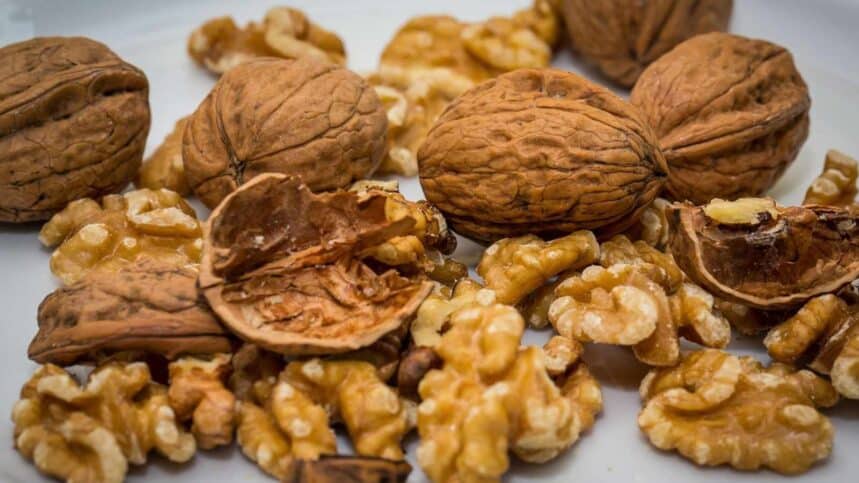
A walnut breakfast does not sound bizarre until you learn what researchers used as the calorie-matched control: a nut-free breakfast designed to match the energy content. A 2025 Food & Function study tested a walnut-rich breakfast in healthy young adults using a crossover design, meaning participants tried both the walnut and control breakfasts on separate visits. The study tracked cognition, mood, EEG, and blood markers over 6 hours after eating.
The science behind the idea is not random. Walnuts contain alpha-linolenic acid, protein, peptides, and flavonoids, all of which may influence cognition through vascular, metabolic, and neurochemical pathways. The study does not prove that walnuts turn breakfast into brain medicine, but it supports the idea that food choices can affect mental performance across the day.
Scratching an Itch May Have an Immune Upside
Everyone has heard that scratching makes an itch worse, and that is still often true. The weird part is that scratching may also trigger a protective immune response in some contexts. A 2025 Nature report on mouse studies noted that scratching itchy skin reduced the presence of potentially harmful bacteria on the skin.
That does not mean chronic scratching is healthy. Scratching can worsen inflammation, damage the skin barrier, and feed the itch cycle, especially in conditions like dermatitis. The evidence simply shows why the behavior may have survived biologically: in some short-term situations, scratching may help the body defend against microbes.
Keto Is Being Studied as an Add-On for Bipolar Disorder
The ketogenic diet has a long medical history in epilepsy, but researchers are now testing whether it could help some psychiatric conditions. The University of Edinburgh described its work as the first European pilot trial of a ketogenic diet as a treatment for bipolar disorder. The trial was designed to explore whether keto could work as an adjunct therapy alongside medication, not as a replacement for standard care.
The evidence is still early, but it is serious enough to watch. A 2025 BJPsych Open pilot study recruited 27 euthymic people with bipolar disorder for a six-to-eight-week modified ketogenic diet and concluded that the diet may be clinically useful for both mental health and metabolic outcomes, while stressing that randomized controlled trials are still needed.
The World’s Oldest People May Give Bad Health Advice

This one feels rude, but the science is practical. People love asking centenarians for their “secret,” then repeating answers like bacon, whisky, no stress, or never marrying. The problem is survivorship bias: someone may live a very long life despite a habit, not because of it.
Better evidence suggests ordinary healthy habits still matter. A 2024 JAMA Network Open study found that among older adults, never smoking, exercise, and greater dietary diversity were significantly associated with higher odds of becoming a centenarian. So yes, a 105-year-old may swear by cake for breakfast, but most people are safer following broader evidence than copying one unusually lucky survivor.
Conclusion
The strangest health stories often teach the most useful lesson: science does not always move in a straight line. A sea squirt can point toward brain aging, a venomous snail can inspire pain research, and a simple smell in the bedroom can raise serious questions about memory. The trick is to enjoy the weirdness without overpromising.
Most of these discoveries need further research, especially those based on mice, small samples, or pilot trials. Still, they show how creative health science can be when researchers look beyond the obvious. Sometimes the next big clue does not come from a miracle cure; it comes from a snail, a walnut, a scent diffuser, or the itch you were told not to scratch.