10 Unexpected Animal Killers: Surprising Threats to Human Life
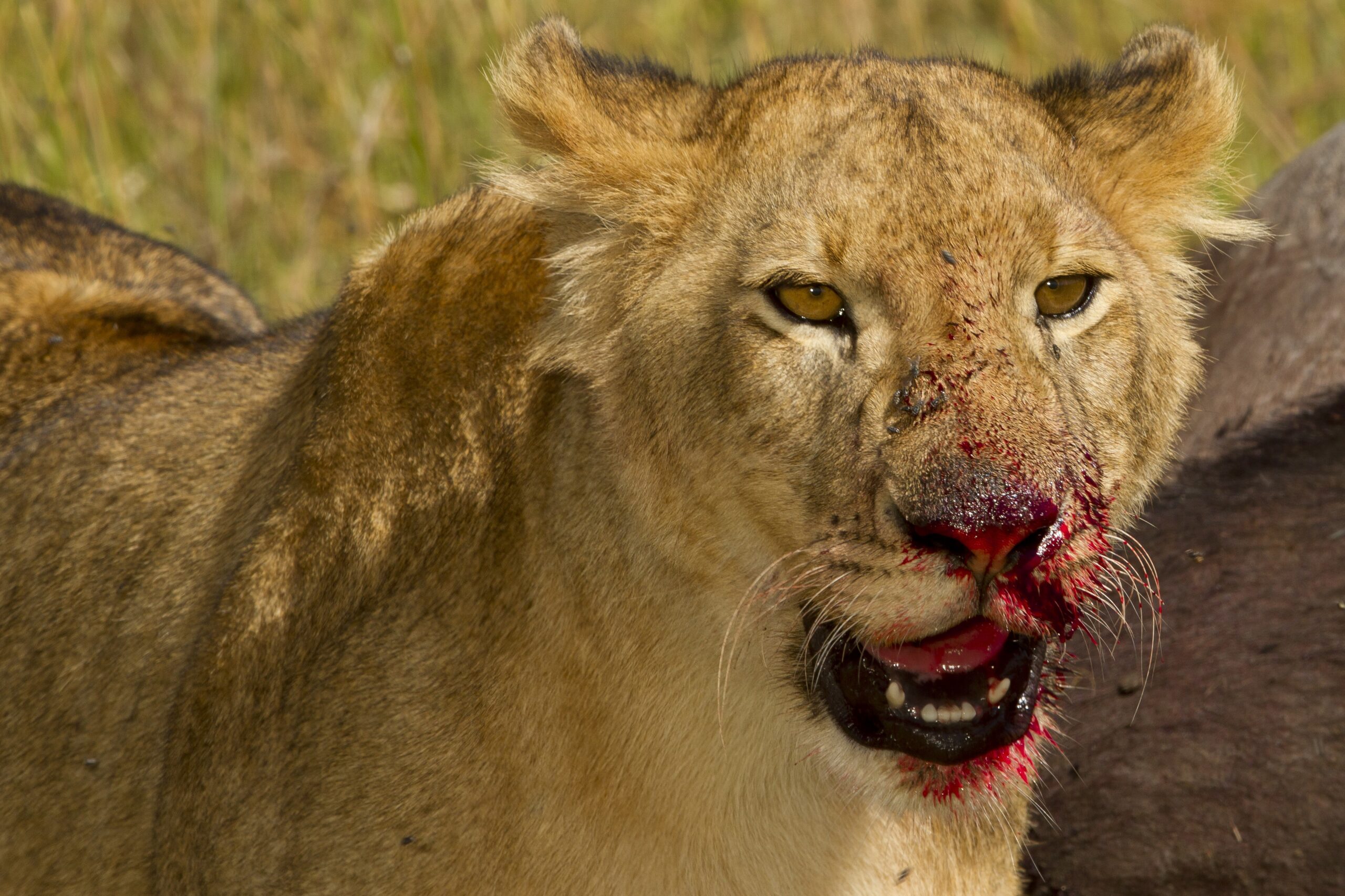
A little lion feeding savagely from a dead animal in the African jungles

When we think of animals that can pose a serious threat to human life, it’s easy to imagine the usual suspects: lions, sharks, or tigers. These apex predators are often at the forefront of our minds, thanks to their fearsome reputations.

However, the natural world is filled with surprising and sometimes bizarre animals that, though less well-known, have been responsible for deadly encounters.

In this article, we explore ten unexpected man-killers that demonstrate the many faces of nature’s hidden dangers.

The Leopard Seal

Photo Credit: vladimircech/freepik

Most people wouldn’t associate seals with danger, but the leopard seal is a different story. Found in the cold waters of Antarctica, these formidable predators can grow up to 12 feet in length and weigh over 1,000 pounds.

Their large canine teeth and swift movements make them deadly, and they can attack humans when provoked.

The First Fatal Attack

The first recorded fatality occurred in 2003 when researcher Kirsty Brown was attacked and dragged underwater by a leopard seal during a routine research dive.

She was pulled to a depth of over 100 feet and tragically lost her life. This incident serves as a grim reminder of the dangers lurking in the icy waters.

The African Spitting Cobra

The African spitting cobra is one of the most feared snakes in Africa. Reaching up to 9 feet in length, these cobras can spit venom with deadly precision from a distance of over 8 feet.

The venom targets the eyes, causing excruciating pain and potential blindness. In extreme cases, if untreated, the venom can even dissolve the eye tissue.

Why They Are Deadly

What sets spitting cobras apart is their accuracy. Studies have shown that they can hit their target, the human eye, nearly 80% of the time. Their venomous spitting mechanism makes them a serious risk, especially in areas where human and snake habitats overlap.

Killer Whales (Orcas)

Orcas, also known as killer whales, are infamous for their intelligence, strength, and predatory behaviors. While they are often portrayed as friendly marine creatures, there have been multiple reports of orcas attacking humans.

These highly intelligent animals hunt in packs and are known to target marine life far larger than themselves, including sharks, seals, and even whales.

Human Encounters

Though orca attacks on humans are rare, they do happen. In 1972, a surfer in California was severely injured by an orca, and in 2005, a boy was attacked by a wild orca in Alaska.

Orcas are capable of aggressive behavior, and their hunting strategies, such as “wave washing” seals off ice floes, are sophisticated enough to pose a serious threat to humans who venture too close.

Wolverines

Wolverines may appear small and cute, but these animals are fierce predators. Weighing only 30 pounds, they are known for their incredible strength and viciousness.

Wolverines are capable of bringing down large prey, such as moose and elk, using their powerful jaws and sharp claws.

Attack on Humans

Though rare, attacks on humans have occurred. Wolverines are solitary animals and tend to stay in remote areas, but in the past, there have been a few instances of humans being attacked, often while hiking or working in northern wilderness areas.

Coyotes

Photo Credit: wirestock/freepik

Coyotes are highly adaptable and have become increasingly common in urban areas.

These canines, which weigh up to 70 pounds and can run at speeds of over 40 miles per hour, are known to attack humans, particularly children. Coyotes can also leap 13 feet in a single bound, making them quick and agile.

Coyote Attacks on Humans

There have been several disturbing instances of coyotes attacking humans in urban settings. In one tragic case, Canadian singer Taylor Mitchell was attacked and killed by a pack of coyotes in Nova Scotia.

This incident highlights the growing threat of urban coyotes, which have become more brazen as they lose their fear of humans.

Great Horned Owl

The great horned owl is a formidable bird of prey known for its strength and aggressive hunting tactics.

This raptor, weighing 4 pounds with a wingspan of 5 feet, has been known to attack animals up to three times its size. Its powerful talons can inflict serious injuries, and in rare cases, even kill a human.

Fatal Encounter

In one particularly alarming case, a researcher was attacked by a great horned owl after tampering with its nest. The owl inflicted skull-crushing injuries, resulting in the researcher’s death.

The owl’s defense of its territory and young is a clear demonstration of the dangers posed by even the most seemingly innocuous creatures.

Giant Anteater

Anteaters may look comical with their long snouts and bushy tails, but they are not to be underestimated. These mammals have powerful claws that they use to rip apart ant hills, but they can also use them for self-defense.

When threatened, a giant anteater can deliver a swift, deadly strike with its claws, capable of inflicting fatal injuries.

Attack on Humans

In 2009, a conservationist working in South America was tragically killed by a giant anteater after it was cornered. The attack serves as a reminder that even the most seemingly harmless creatures can become dangerous when provoked.

Irukandji Jellyfish

The Irukandji jellyfish is one of the smallest yet most venomous creatures in the world. Measuring just one cubic centimeter in size, this jellyfish is nearly invisible in the water, making it a silent killer for swimmers.

Its venom is 100 times more potent than a cobra’s, and even a brief brush with its tentacles can cause intense pain, paralysis, and in some cases, death.

The Irukandji Syndrome

The venom from the Irukandji jellyfish causes Irukandji syndrome, characterized by intense pain, nausea, and, in some cases, cardiac arrest.

Victims who are stung by the jellyfish require immediate medical attention, and fatalities have been recorded, particularly in northern Australia.

California Sea Lion

California sea lions are large marine mammals that can weigh up to 700 pounds and reach lengths of 6 feet.

While often seen performing tricks at marine parks, male sea lions are territorial and highly aggressive in the wild. They have been known to attack humans who venture too close to their territory.

Notable Incidents

In 2004, an Alaskan fisherman was dragged off his boat by a sea lion and nearly drowned. These sea lions are more aggressive than many people realize, and their attacks, though rare, can be deadly if precautions are not taken.

Asian Carp

Photo Credit: freepik

Asian carp, originally introduced to North America to control algae, have become invasive and pose a serious threat to both wildlife and humans.

These fish, which can grow up to 100 pounds, are known for leaping out of the water at high speed, often striking boaters and swimmers.

Injury Hazards

The massive leaps of Asian carp have caused numerous injuries to boaters. These injuries include broken bones, concussions, and other serious trauma. As the carp population continues to grow, the risk of a fatal accident increases, particularly in popular recreational areas.

Conclusion

The natural world is full of surprises, and the creatures we’ve discussed here prove that danger can come from the most unexpected places.

While lions, tigers, and sharks may grab the headlines as the ultimate man-killers, there are countless other animals that pose a very real threat to human life.

Whether through unexpected aggression, venomous attacks, or territorial behavior, these animals show that nature is far more unpredictable and dangerous than many of us realize.


Author

Similar Posts

Leave a Reply

Your email address will not be published. Required fields are marked *