


In an age of heightened curiosity and critical inquiry, questions about faith, morality, and belief are more pressing than ever. Across the world, atheists, agnostics, and skeptics pose deep, sometimes uncomfortable questions that challenge religious adherents to articulate the foundations, implications, and logic behind their beliefs. These questions are not designed to attack faith but to examine it rigorously, encouraging introspection, clarity, and intellectual honesty.
Religious faith has long shaped culture, law, and personal ethics. Yet in modern society, the interplay between belief and reason invites scrutiny. Engaging with these inquiries can strengthen personal understanding, foster meaningful dialogue, and illuminate areas where belief intersects or conflicts with observable reality.
The Problem of Evil

Human history is replete with suffering, natural disasters, and moral injustices. How does a benevolent, omnipotent deity allow widespread pain and suffering?
This question engages theodicy, the philosophical attempt to reconcile divine goodness with observable evil. Answers often involve free will, moral testing, or spiritual growth, yet they demand careful reasoning to avoid oversimplification.
Miraculous Claims vs. Natural Laws
Faith often asserts phenomena that challenge natural laws. What evidence separates divine action from coincidence, fraud, or natural explanation?
Analytical methods involve philosophy of science, probability, and critical historiography. Articulating criteria for belief strengthens the rational foundations of faith.
Faith and Evidence
Believers often assert conviction without empirical verification. How is faith distinguished from wishful thinking or cognitive bias?
Philosophical frameworks like fideism, pragmatism, and personal experience are employed to justify belief. Clear articulation enhances credibility and invites meaningful dialogue.
Religious Violence
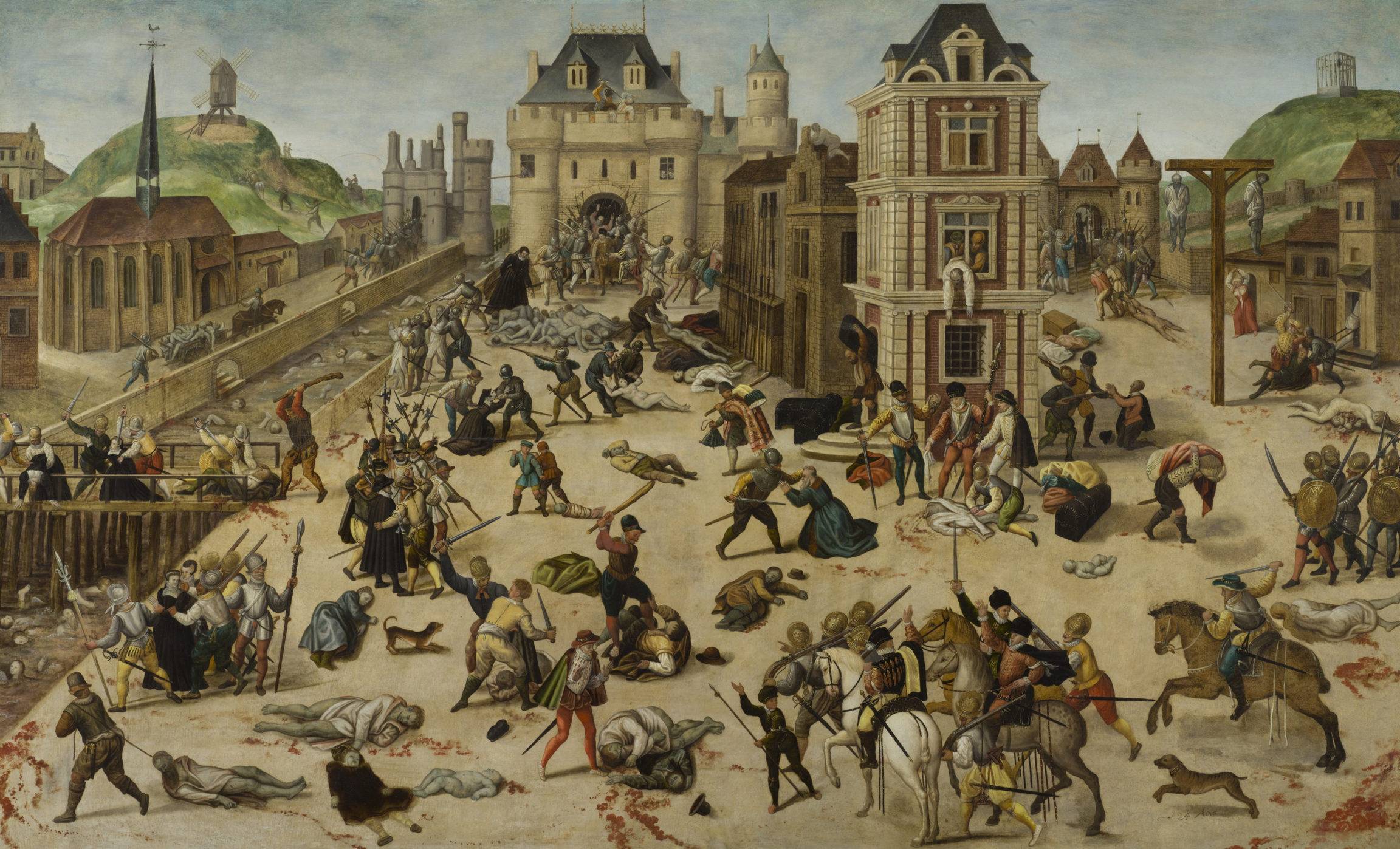
History documents conflicts justified in the name of faith. How does one address scriptures or doctrines that have been used to condone violence, oppression, or discrimination?
Engaging with this question requires ethical reflection, historical awareness, and theological nuance. Believers must distinguish between misinterpretation, institutional misuse, and authentic spiritual teaching.
The Origins of Belief
Every major religion claims unique insights into the ultimate truth. Why should one faith be considered valid over another? Is belief shaped by culture, upbringing, or divine revelation?
Exploring these questions requires reflection on historical context, sacred texts, and the criteria for discerning spiritual authority. The discussion touches on theology, anthropology, and epistemology, examining why faith is both deeply personal and socially transmitted.
Exclusivity vs. Pluralism
If a religion claims exclusive truth, what does that imply about other belief systems? Is salvation or enlightenment contingent solely on adherence to one faith?
This question touches interfaith ethics, pluralism, and theological humility. Balancing truth claims with respect for diversity requires nuanced reflection.
Scriptural Contradictions

Sacred texts sometimes contain apparent contradictions or historically implausible narratives. How are these reconciled while maintaining doctrinal authority?
Interpreters employ hermeneutics, allegory, and contextual analysis. Addressing contradictions thoughtfully ensures consistency, credibility, and intellectual engagement with one’s faith tradition.
The Role of Prayer
Millions pray daily, yet outcomes vary widely. How does one explain unanswered prayers or apparent coincidences?
This question explores theology, psychology, and the philosophy of agency. Believers are prompted to clarify the mechanisms, limitations, and purpose of spiritual communication.
The Nature of God
What does it mean for God to be omnipotent, omniscient, and benevolent? Can finite humans fully comprehend infinite qualities?
This inquiry intersects metaphysics, epistemology, and theology. Articulating the coherence of divine attributes demonstrates intellectual rigor in belief.
The Afterlife
Religions often promise continuation after death, yet empirical proof remains elusive. How does one justify belief in heaven, reincarnation, or spiritual persistence without verifiable evidence?
Philosophical arguments, near-death experiences, and scriptural accounts provide grounds for discussion. Believers are invited to clarify whether faith in an afterlife rests on tradition, revelation, or reasoned inference.
Conclusion
Engaging with these questions demands intellectual honesty, self-reflection, and theological clarity. They provide a structured framework for religious individuals to articulate the logic, ethics, and reasoning behind their beliefs.
Addressing such inquiries strengthens faith while fostering dialogue between believers and skeptics, ensuring that religion remains intellectually robust, ethically grounded, and culturally relevant in the modern world.


