

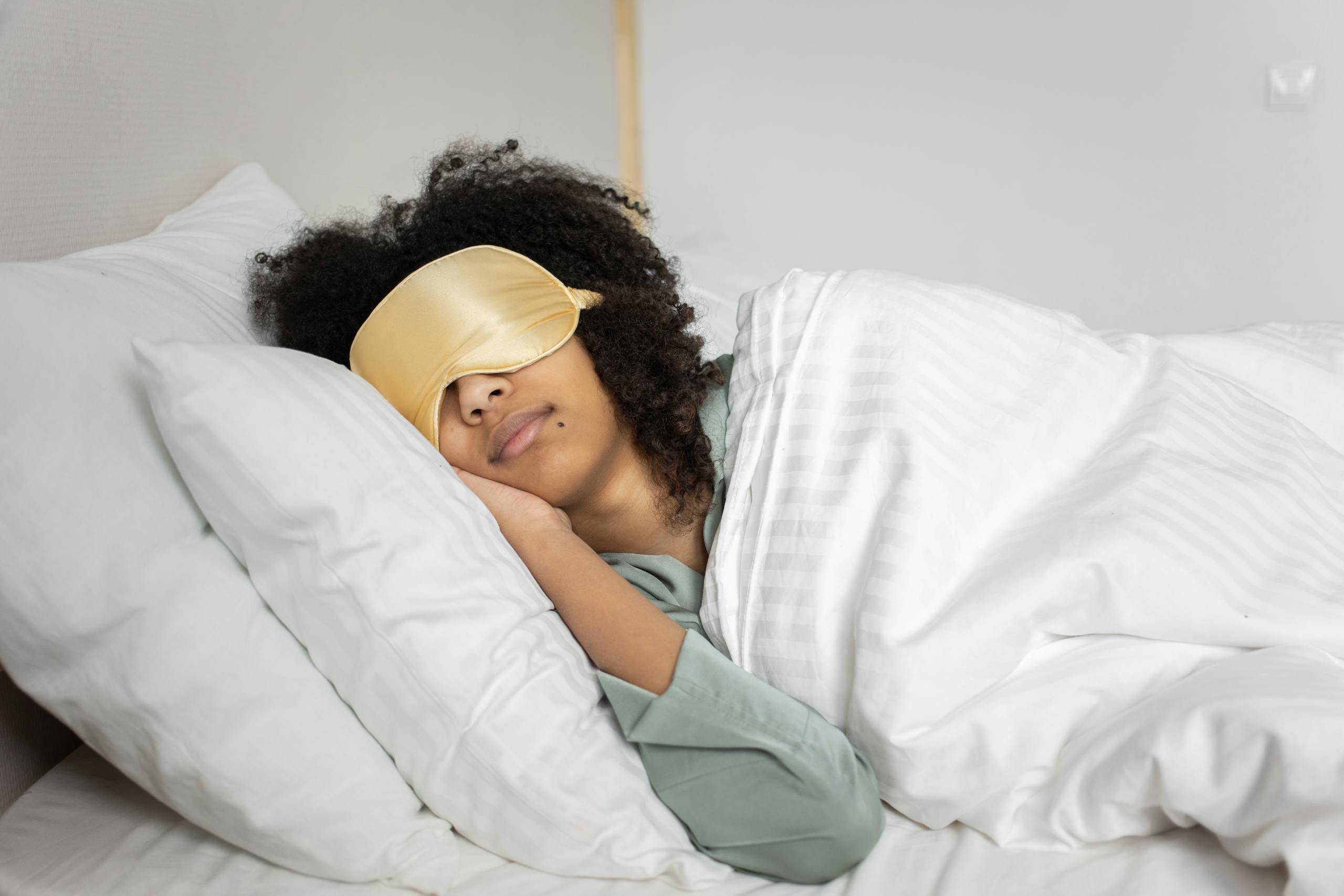
You think you know how to get a good night’s sleep, but what if everything you’ve been told is wrong? From the idea that more sleep is always better to believing caffeine doesn’t matter, these common myths might be sabotaging your rest without you even realizing it.
The truth? Healthy sleep doesn’t come from hacks or shortcuts; it comes from understanding the science behind it.
So, before you grab another sleep aid or set that alarm for a weekend “catch-up” nap, it’s time to separate fact from fiction. Let’s dive into the real reasons you’re tossing and turning, and how to fix it.
Stay in Bed Until You Fall Asleep

It’s tempting to lie in bed hoping sleep will come, but staying in bed once you’re awake doesn’t help.
Instead, it can cause you to associate your bed with frustration, making it harder to sleep in the future.
If you wake up and can’t fall back asleep, get out of bed and do something relaxing until you feel sleepy again.
Pajamas Don’t Affect Sleep Quality
Think your pajamas don’t matter? Think again. Sleeping in the right attire can affect your ability to regulate body temperature, which, in turn, influences sleep quality.
Sleeping naked, for example, helps your body maintain a cooler temperature, making it easier to fall asleep and stay asleep. A simple shift in your sleepwear could make a big difference in the quality of your rest.
Mattresses Last Decades

Many people believe their expensive mattress should last forever. In reality, mattresses degrade over time, and the comfort and support they once provided can fade, leading to restless nights.
Experts recommend replacing your mattress every 7-10 years. If yours is sagging or causing discomfort, it might be time to invest in a new one for better sleep.
Sleep Debt Can Be Repaid
The idea that we can make up for lost sleep is a dangerous myth. Once sleep is lost, it’s gone; no amount of extra sleep can completely “pay back” what’s been lost.
In fact, catching up on sleep can disrupt your circadian rhythm, leaving you feeling even groggier.
The best way to handle sleep debt is to stay on track with a consistent sleep schedule and avoid racking it up in the first place.
Exercise Doesn’t Impact Sleep
Exercise is more than just good for your body; it’s essential for good sleep. Regular physical activity helps you fall asleep faster and enjoy deeper, more restorative sleep.
Even light exercise, like a brisk walk, can improve sleep quality. The key is consistency; try to make exercise a daily habit to improve your rest.
8 Hours of Sleep Is All You Need
Not all sleep is created equal. Even if you hit the 8-hour mark, waking up during a deep sleep cycle can leave you feeling exhausted.
The real trick is to align your wake-up time with your sleep cycles. Tools like sleep cycle calculators can help you determine the best time to wake up, so you feel rested and refreshed, no matter how many hours you sleep.
Extra Sleep Is Always Better

The idea that more sleep always equals better sleep is one of the biggest myths we tell ourselves.
While it’s tempting to catch up on lost sleep, research shows that oversleeping can cause brain fog, difficulty concentrating, and even increased health risks.
The key is not the quantity of sleep, but the quality. Aim for 7–9 hours, but focus more on making that sleep restorative, uninterrupted, and consistent.
You’ll Sleep Better Alone
While sleeping solo may sound like a quiet option, studies show that those in stable romantic relationships often experience fewer sleep disturbances.
The emotional support and stress-reducing benefits of having a partner by your side can improve sleep quality over time.
Of course, this isn’t to say all relationships are equal, but good relationships may actually improve your chances of restful sleep.
Reading Before Bed Is Relaxing

The idea that reading a book before bed is the perfect way to unwind might sound right, but it all depends on what you’re reading.
While books can be relaxing, reading on a tablet or phone exposes you to blue light, which can mess with your melatonin production and make it harder to fall asleep. Stick with physical books, and save the screens for the morning.
Staying in Bed Will Help You Fall Back Asleep
It’s 3 a.m. You wake up, toss, and turn, then glance at the clock; nothing is working. The common belief is that staying in bed will eventually help you fall back asleep.
But experts warn that staying in bed and trying to force it only associates the bed with frustration, making it harder to sleep in the future. Instead, get out of bed, engage in a relaxing activity in low light, and only return when you feel sleepy.
Naps Don’t Affect Nighttime Sleep
Many believe that taking a nap during the day won’t hurt nighttime sleep. But for people with insomnia or irregular sleep patterns, naps can disrupt their natural sleep-wake cycle.
Short naps (20-30 minutes) can be beneficial, but avoid napping too late in the day to avoid interference with your ability to fall asleep at night.
Conclusion
Sleep myths are more than just harmless misconceptions; they can quietly sabotage your chances for good rest.
By debunking these myths and sticking to sleep fundamentals, like consistency, a cool room, and better sleep hygiene, you can transform your nights and wake up feeling rejuvenated. Remember: sleep isn’t just about how much you get, it’s about how well you rest.


