

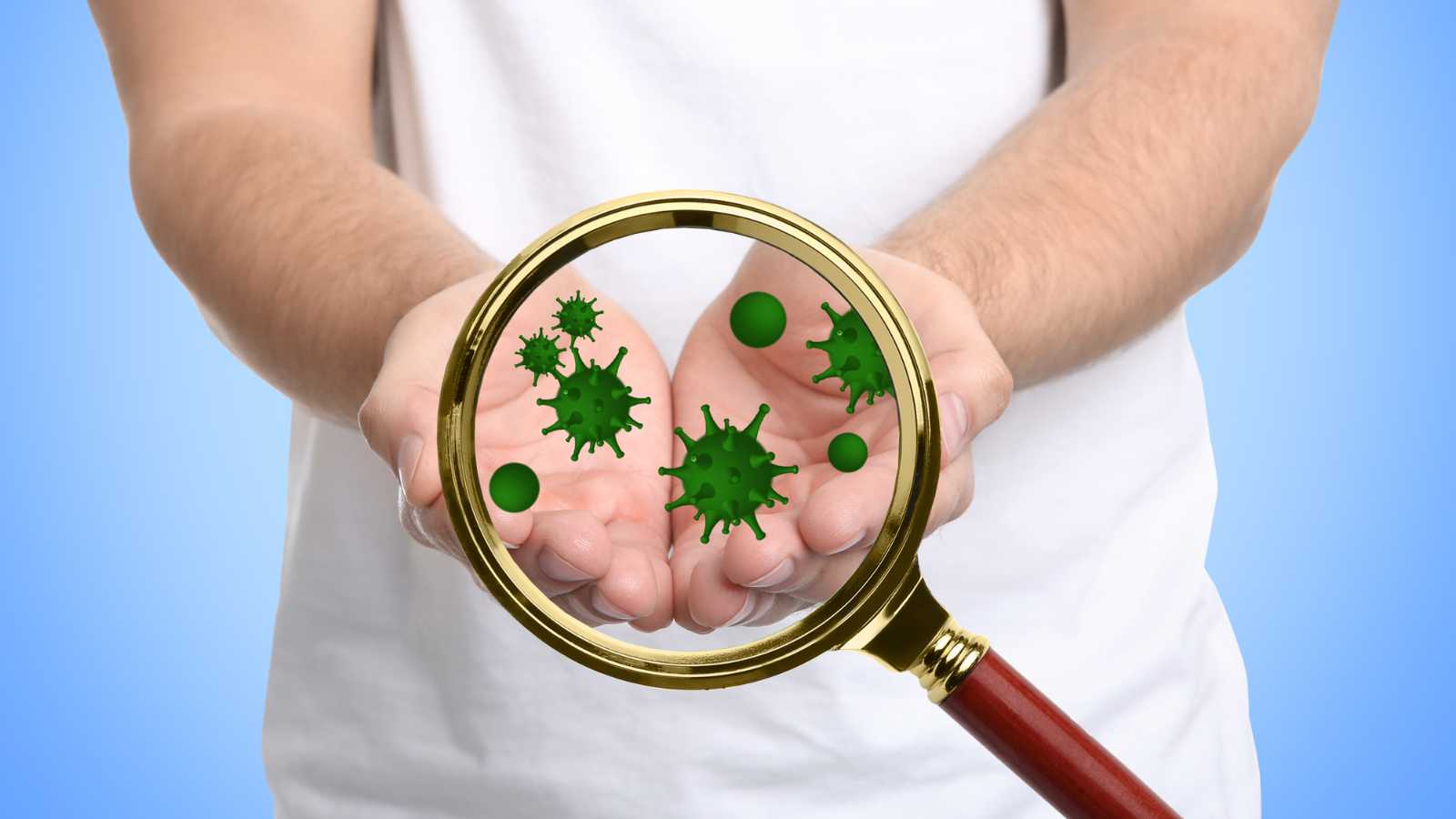
You probably carry some of the germiest items on Earth in your pockets right now. Most of us assume everyday objects are mostly harmless, but microscopic bacteria and other pathogens don’t care about our assumptions. They thrive on surfaces we touch all the time, turning routine habits into unseen health hazards.
Germs are not just something “out there” in public places; they are right under our fingertips on objects we use every single day. Studies show phones, bags, and even cutting boards can carry tens of thousands of microbes, including bacteria linked to illness.
Understanding which items are the worst offenders and how to clean them properly can make a real difference for your health. These recommendations go beyond simple soap and water, offering practical ways to fight back against the invisible colonies that hitch rides on items you handle constantly.
Reusable Shopping Bags

It’s easy to feel eco‑proud when you pull out reusable shopping bags at the store. What’s not so easy to notice is that these bags often become bacterial magnets because they are used repeatedly without being washed. Almost every bag in one study contained large bacterial loads, with dangerous strains found in a surprising number of samples.
To prevent them from becoming a risk to your kitchen and groceries, wash reusable bags after every few trips. Handwashing with hot, soapy water or tossing them in a washing machine kills most bacteria. Then let them air-dry completely before reuse to prevent new colonies from forming.
Keeping your grocery bags clean is a small step that helps protect food from cross‑contamination and reduces a hidden health risk many people overlook. Since these bags touch raw meats, produce, and pantry items alike, cleaning them regularly limits the chances of harmful bacteria spreading.
Water Bottles
Reusable water bottles are popular and environmentally friendly, but they can harbor millions of bacteria if not cleaned often. Research found astonishingly high colony counts, far exceeding what is typically found on a public toilet seat.
Moist environments inside bottles are perfect for bacteria and mold, especially around lids and straws, where water residue remains. A quick rinse is not enough; washing with hot, soapy water after every use greatly reduces microbial presence.
For deeper cleans, fill the bottle with a vinegar‑and‑water solution or use a long bottle brush to reach into crevices. Let it sit for several minutes before rinsing to make sure hidden microbes are eliminated.
Credit and Debit Cards
Your credit and debit cards go from hand to hand, wallet to terminal, and transaction to transaction, picking up germs along the way. A study found that a noticeable percentage of cards carry bacteria, including staph, as well as fecal matter.
These microbes easily transfer back to your hands, and then to your face, phone, or other surfaces you touch soon after. To reduce this invisible transfer, wipe down cards regularly with disinfectant wipes.
Carrying a small bottle of hand sanitizer and using it after card transactions also helps break the chain of germ spread. A little hygiene effort can significantly lower the risk of skin infections and stomach bugs passed via dirty cards.
Yoga Mats
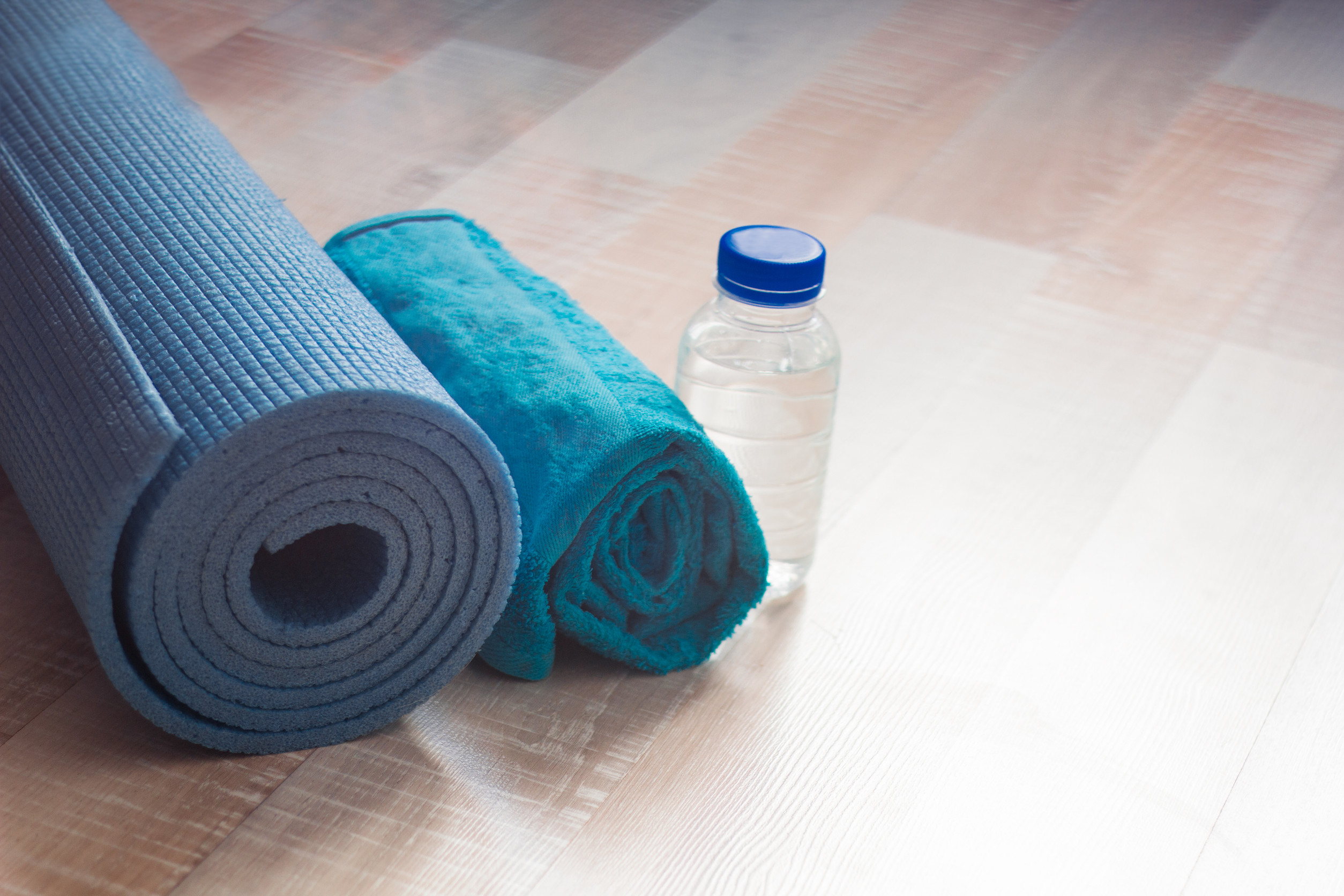
Yoga mats are meant to be relaxing, but sweat creates warm, damp conditions that bacteria, fungi, and viruses love. Used regularly without cleaning, mats quickly become breeding grounds for germs linked to athlete’s foot and staph infections.
Even at home, mats collect microbes from the floor and your own skin, so wiping them down only after class isn’t enough. Regular weekly cleaning with a gentle disinfectant or soap and water keeps cooling microbes at bay.
Since unclean mats can also harbor cold viruses that survive for days on surfaces, making cleaning part of your routine protects both skin and overall health.
Public Touchscreens
Touchscreens are everywhere: at airports, kiosks, and checkout lines, and they are touched by hundreds of people daily. Studies have found these surfaces contaminated with bacteria that can cause skin infections and more severe illnesses.
Cleaning by location isn’t reliable between users, so your hands are liable to pick up germs every time you tap a screen. The most effective defense is immediate handwashing or use of an alcohol‑based sanitizer right after contact.
Avoid touching your face until you have thoroughly cleaned your hands after using public touchscreens to reduce the risk of pathogens entering your body. This simple habit interrupts the transfer of microbes that thrive on high‑touch objects.
Contact Lenses and Cases
Contact lenses improve vision, but improper cleaning can turn them into serious germ traps. When lenses and their cases are not regularly disinfected, harmful microbes can cause infections like microbial keratitis, which can damage the cornea.
Symptoms include redness, irritation, and painful sensitivity to light, but consistent cleaning and proper storage prevent these issues. Replace lens solution daily and change cases regularly to reduce bacterial growth.
Protecting your eyes starts with hygiene practices that make lens use safe and comfortable over time. Maintaining clean lenses is vital, not optional, in preventing potentially sight‑threatening conditions.
Makeup Brushes and Sponges

Dirty makeup tools don’t just look grimy; they breed bacteria and fungi that can cause breakouts and infections. Research shows that a large majority of makeup tools tested carried harmful microbes, especially sponges.
Cleaning brushes and sponges after each use with mild soap and water dramatically reduces microbial buildup. Let them dry completely in a clean area to prevent new colonies from establishing.
This simple step protects your skin and keeps your daily beauty routine from becoming a health risk. Consistency in cleaning pays off with fewer flare‑ups and clearer skin.
Tattoo Ink and Permanent Makeup
Contrary to what many assume, even sealed bottles of tattoo and permanent makeup ink can contain dangerous bacteria. Contaminated ink injected into the skin introduces microbes directly into the bloodstream, increasing the risk of severe reactions, including infections and sepsis.
Make sure your tattoo artist uses only sterile, well‑tested inks and follows strict hygiene and sterilization protocols before any procedure. Proper practices dramatically lower risk.
This isn’t about fear but vigilance; any body art involving skin penetration must prioritize clean supplies and equipment.
Kitchen Cutting Boards
Cutting boards are indispensable in the kitchen, but every slice and chop leaves grooves that trap bacteria. If not properly cleaned and sanitized, these tiny cuts become hideouts for harmful microbes.
Wooden boards absorb and trap bacteria until they dry out, while plastic boards can harbor microbes in knife grooves unless scrubbed thoroughly with hot, soapy water.
Glass boards are easier to sanitize but can dull knives and create slip hazards. No matter the material, cleaning immediately after food prep and replacing boards with deep cuts prevents bacterial survival.
Cell Phones

Your phone is likely the single germiest item you touch every day, frequently carrying more bacteria per square inch than a toilet seat.
Bacteria like E. coli and staph cling to surfaces you handle with unwashed hands, ride home with you, and then transfer to your face and other objects.
Regular cleaning with alcohol wipes or a UV sanitizer removes these microbes, making your phone safer to use. Maintaining this habit drastically cuts down the invisible risk you carry around in your pocket.
Conclusion
What feels clean may still be crawling with bacteria you never see, but now you know which everyday items are the worst offenders.
Simple cleaning habits, such as washing bags, sanitizing bottles, wiping down tools, and practicing frequent hand hygiene, reduce the risk of germs entering your body.
With a bit of awareness and regular maintenance, you can dramatically reduce the invisible risks underlying everyday life.


