

The course of human history has been shaped not only by visionary leaders but also by figures whose actions inflicted immense suffering. While death tolls tell part of the story, the cruelty, manipulation, and systemic harm wrought by some individuals have left indelible scars on societies worldwide.
This article explores ten men whose reigns, policies, or personal decisions have cemented their reputations for evil.
Adolf Hitler
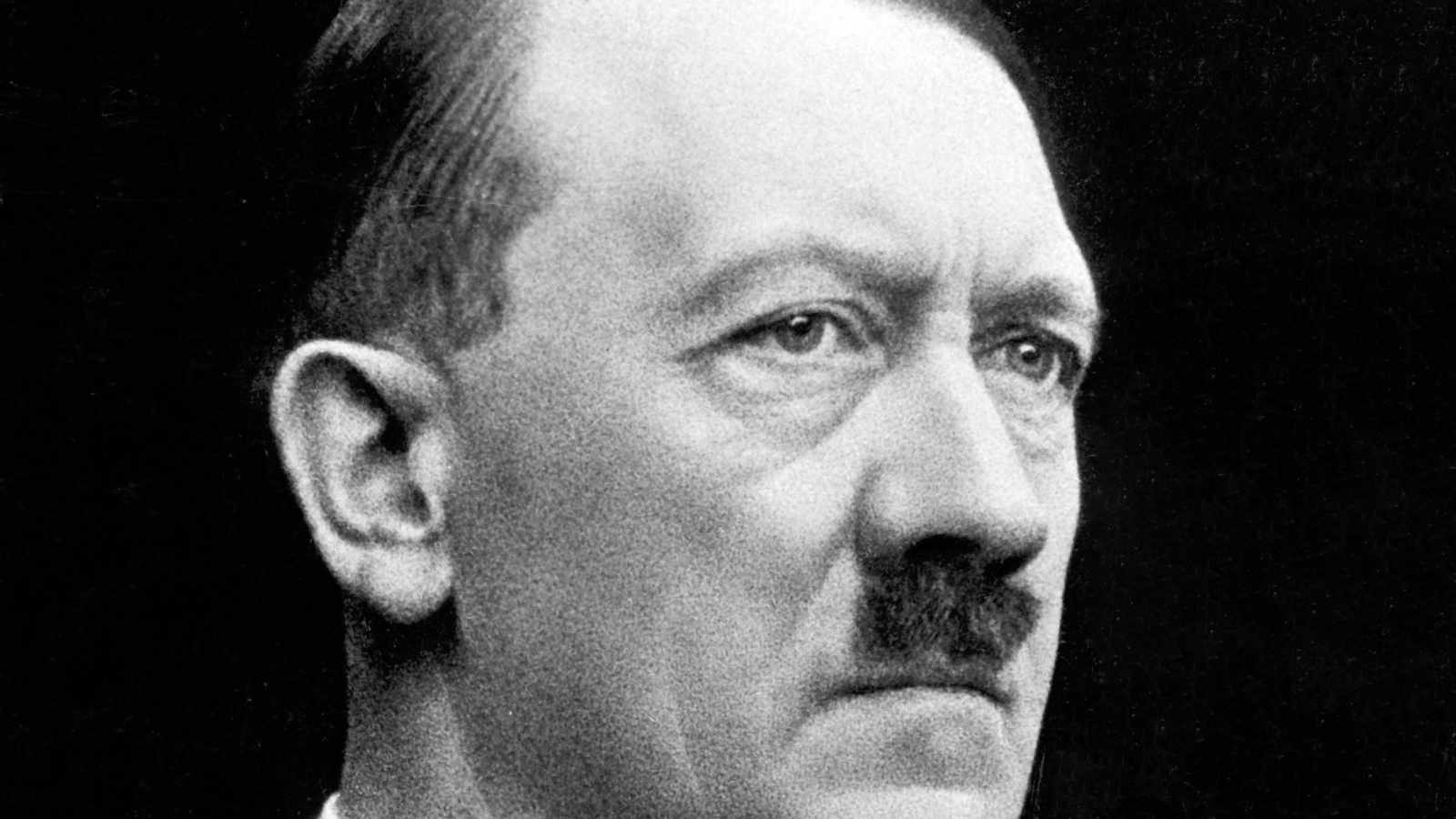
Hitler’s leadership of Nazi Germany (1933–1945) brought about unparalleled destruction in Europe. His ideology of racial supremacy facilitated the Holocaust, resulting in the systematic genocide of six million Jews and millions of other marginalized groups.
Territorial aggression and military conquest during World War II left tens of millions dead, leaving a legacy of horror and global trauma.
Vlad the Impaler
Vlad III, Prince of Wallachia, was renowned for his unusually severe punishments, including impalement, blinding, and scalping. His campaigns against enemies were often marked by extreme violence intended as psychological and physical deterrence.
Vlad’s methods of control, though occasionally framed as justice in his time, resulted in mass suffering and inspired the archetypal figure of the vampire in popular culture.
Josef Stalin
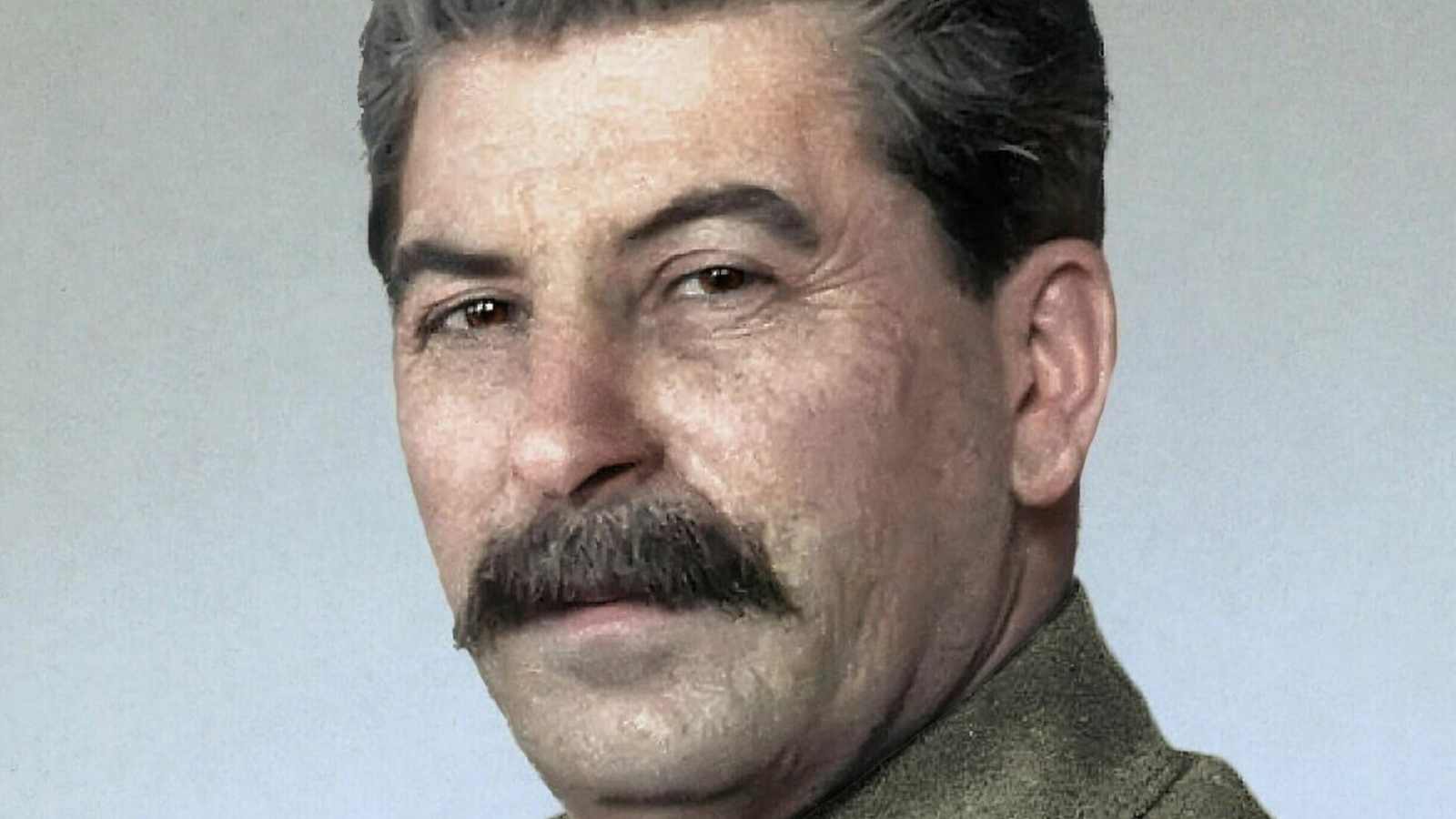
Josef Stalin led the Soviet Union from 1922 to 1953, consolidating power through purges, forced labor, and systemic repression. Policies like the Holodomor famine in Ukraine caused the deaths of millions, while political purges eliminated perceived enemies at staggering human cost.
Estimates suggest roughly 10 million people perished under Stalin’s regime, highlighting the lethal consequences of unchecked totalitarian control.
Pol Pot
Pol Pot led Cambodia under the Khmer Rouge from 1975 to 1979, implementing radical agrarian communism. Urban populations were forcibly relocated to labor camps, resulting in widespread malnutrition, disease, and executions.
Intellectuals and perceived dissenters were systematically eliminated, creating the infamous Killing Fields. Around two million people, approximately a third of the population, perished due to his policies.
Leopold II of Belgium
King Leopold II of Belgium exploited the Congo Free State as a personal colony from 1865 to 1909. Under his administration, forced labor, torture, and killings were used to extract rubber and ivory, resulting in an estimated three million deaths.
The brutality of the regime sparked international condemnation and remains a stark example of colonial-era exploitation and atrocities.
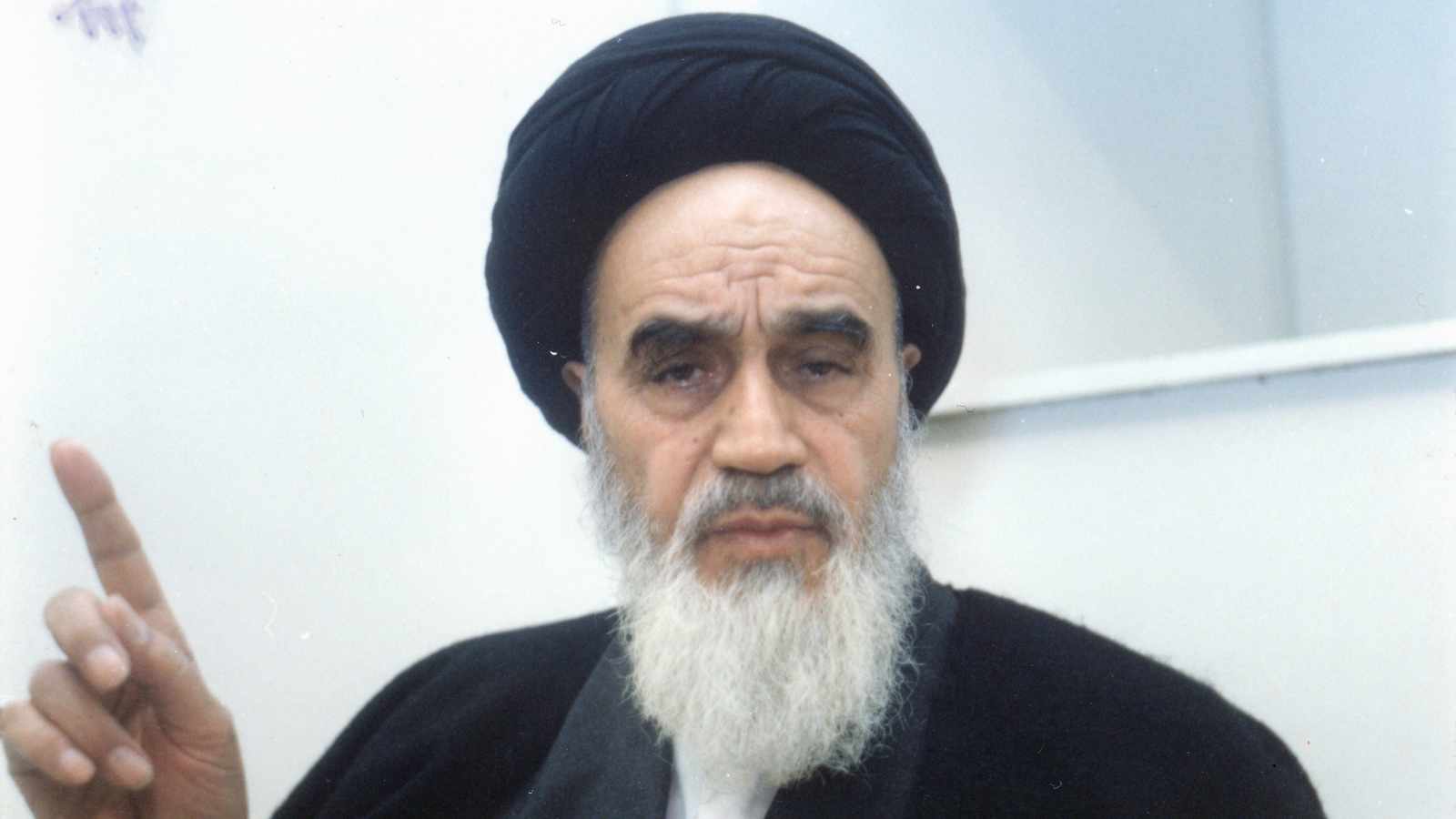
Ruhollah Khomeini
Ayatollah Khomeini governed Iran from 1979 until his death in 1989, enforcing Sharia law and suppressing political dissent. Orders for executions of political prisoners and harsh punishment of opposition figures created a climate of fear.
Thousands were executed during operations such as Forough-e Javidan, exemplifying the lethal combination of religious authority and political control.
Idi Amin Dada
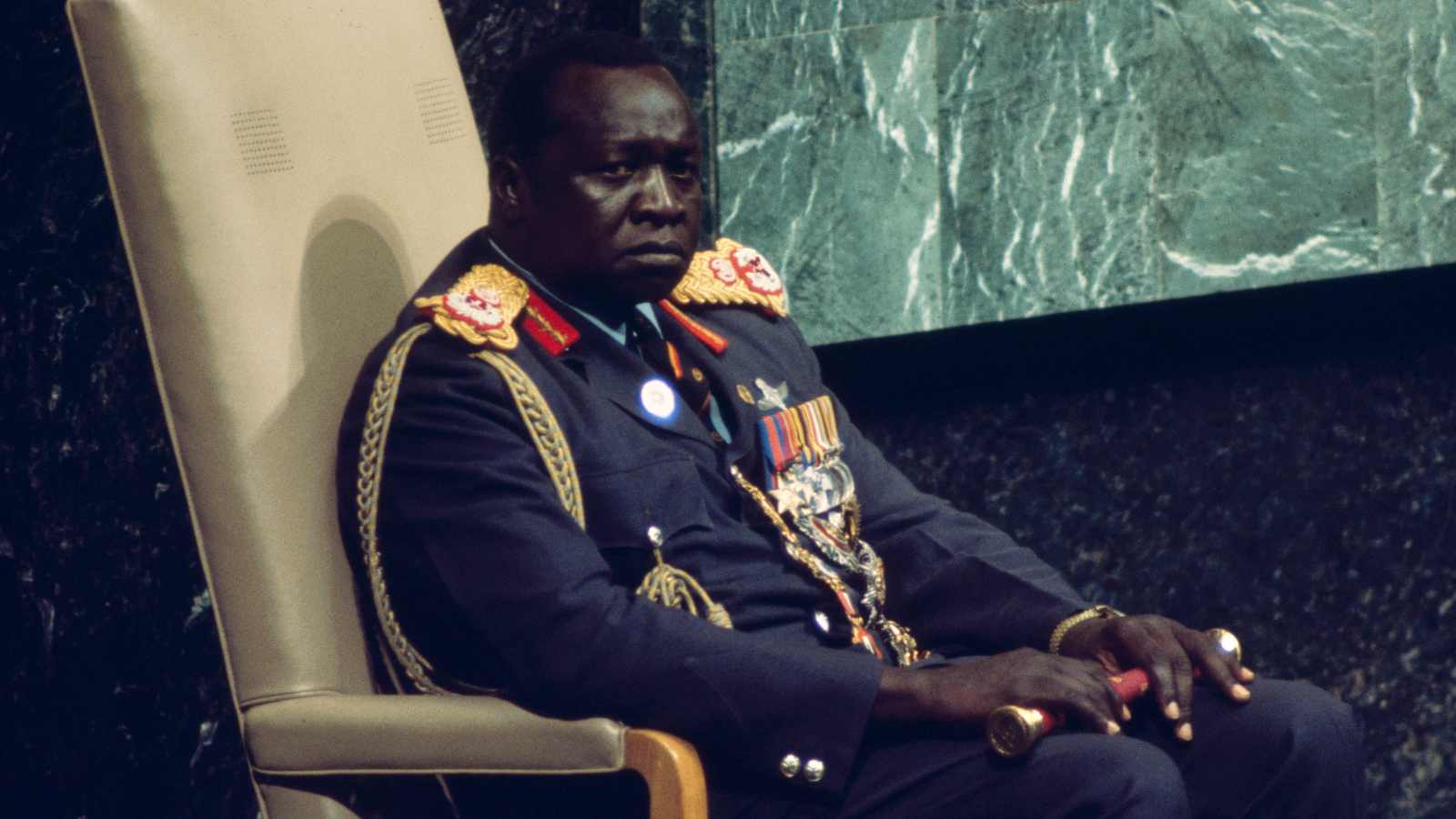
Idi Amin ruled Uganda from 1971 to 1979, using military coups to consolidate power. His tenure included widespread political repression, ethnic persecution, and extrajudicial killings.
Estimates of deaths under his regime range from 80,000 to 500,000. Amin’s policies also led to the mass expulsion of ethnic minorities, disrupting the country’s social and economic fabric.
Ivan IV of Russia
Ivan IV, known as Ivan the Terrible, ruled from 1533 to 1584, becoming the first Russian tsar. He exercised extreme cruelty, including torturing citizens and executing thousands in Novgorod. Even family members were not spared; he killed his son in a fit of rage.
His reign was characterized by a combination of political consolidation and brutal repression, leaving a lasting imprint on Russian governance and culture.
Maximilien Robespierre
Robespierre was a central figure during the French Revolution’s Reign of Terror (1793–1794). Revolutionary tribunals executed tens of thousands of people for alleged counter-revolutionary activities, often without a fair trial.
Robespierre’s zeal for political purity culminated in his own execution, yet the widespread fear and mass killings during his tenure underscore the dangers of ideological extremism.
Emperor Hirohito
Emperor Hirohito ruled Japan from 1926 to 1989, overseeing military campaigns including the 1937 Nanjing Massacre. Japanese forces committed mass killings, sexual violence, and destruction, resulting in tens of thousands of civilian deaths.
While Hirohito’s direct involvement remains debated, his reign symbolizes the intersection of imperial authority and wartime atrocities.
Conclusion
The study of these historical figures demonstrates how power, ideology, and personal ambition can manifest in unprecedented cruelty. Their legacies remind us that vigilance, accountability, and ethical governance are essential to prevent the repetition of such atrocities.
Understanding the scope and methods of their actions provides insight into the devastating impact one individual can have on millions.


