


Most people hear the word radioactive and picture glowing waste barrels, disaster movies, or high security laboratories hidden behind thick concrete walls. The truth feels far stranger because tiny traces of radiation quietly exist in places you interact with every single day. Some of them sit in your kitchen, some travel with you on airplanes, and a few may even be resting inside your own home right now.
That hidden reality catches many people off guard because radiation often sounds rare and dangerous instead of ordinary and natural. Scientists have known for decades that low levels of radiation are everywhere around us, in rocks, food, soil, and even the human body itself. Once you notice how common it really is, the world suddenly feels a little more mysterious.
The good news is that most of these radioactive items are harmless at normal levels and are part of everyday life. Still, learning about them changes the way you look at ordinary objects forever. Some of these surprising examples may already be sitting just a few feet away from you.
Bananas Carry Natural Radiation

Bananas contain potassium, and a tiny percentage of that potassium exists as the radioactive isotope potassium-40. The amount is incredibly small, yet scientists often use bananas as a funny way to explain low radiation exposure to the public. That is where the phrase banana equivalent dose came from.
Your body already contains potassium naturally, so eating a banana does not suddenly turn someone into a glowing science experiment. The radiation level remains so tiny that health experts consider bananas completely safe to eat every day. Still, many people feel stunned when they discover their breakfast contains radioactive material.
The strange part is that bananas are not alone; many healthy foods contain similar levels of natural radiation. Potatoes, beans, carrots, and Brazil nuts also absorb radioactive elements from the soil as they grow. Nature quietly spreads radiation across the food chain in ways most people never notice.
Smoke Detectors Use Radioactive Material
That small device protecting your home from fire likely contains a radioactive element called americium. Ionization smoke detectors use it to help sense smoke particles quickly and accurately. Without it, many household alarms would not work as effectively.
The radioactive material inside remains safely sealed behind a protective casing, keeping exposure extremely low during normal use. Experts consider these detectors safe for homes, schools, and offices worldwide. The danger only arises if someone improperly dismantles the device.
Many people feel uneasy after learning that their ceiling contains radioactive material, yet the detector probably protects their lives more than it harms them. Fire safety experts still recommend keeping working smoke alarms throughout the home. In this case, radiation actually helps save lives every day.
Granite Countertops Give Off Tiny Radiation Levels
Granite forms deep underground through volcanic activity and naturally contains trace amounts of uranium and thorium. Because of that geological process, some granite countertops release tiny amounts of radiation into the surrounding environment. Most people never suspect their kitchen surfaces could produce measurable radiation.
The amount varies depending on the exact slab and where it was mined. Scientists say most granite countertops remain well within safe exposure levels for households. Even so, certain rare slabs can emit slightly higher readings than others.
This discovery surprises homeowners because granite is often associated with luxury and beauty rather than radioactive activity. Yet many natural materials on Earth contain radioactive elements in small amounts. Your kitchen may literally hold pieces of ancient geological history.
Airplane Flights Increase Radiation Exposure

Flying high above Earth exposes passengers to greater cosmic radiation because the atmosphere becomes thinner at higher altitudes. Airline pilots and flight attendants receive higher yearly radiation exposure than many other workers due to frequent flying. Even occasional travelers experience a small increase during long flights.
The exposure still remains relatively low for normal passengers, so aviation experts do not consider commercial flying dangerous for most people. A single cross-country flight exposes someone to more radiation than a chest X-ray in some cases, but not enough to create panic. Frequent international travelers simply accumulate more exposure over time.
This fact shocks many travelers because airplanes already trigger anxiety for millions of people worldwide. Few expect radiation to be part of the conversation during a vacation. Yet every flight quietly exposes passengers to space radiation more than they realize.
Old Watches Once Glowed With Radioactive Paint
Vintage watches and clocks from the early twentieth century often used radium paint to create glowing numbers and hands. Manufacturers believed the glowing effect looked fashionable and practical in the darkness. Workers painted thousands of these dials by hand before the serious health risks became fully understood.
Some factory workers accidentally swallowed small amounts of radium after sharpening paintbrushes with their lips during work shifts. Many later developed severe illnesses linked to radiation exposure. Their tragic stories eventually changed workplace safety laws forever.
Collectors still buy antique watches containing radioactive paint today, although experts recommend careful handling. The glow may look charming and nostalgic, yet it hides a darker scientific history beneath the surface. Some old bedside clocks still emit measurable radiation decades after they were made.
Brazil Nuts Can Be Surprisingly Radioactive
Brazil nuts absorb large amounts of radium from deep underground through their extensive root systems. As a result, they often contain more natural radioactivity than many other foods. Health experts still consider them safe to eat in moderation.
The unusual part comes from the trees themselves, whose roots stretch far deeper into the soil than those of most plants. Those deep roots pull up nutrients along with radioactive particles hidden underground. Nature essentially turns the tree into a powerful mineral collector.
People often choose Brazil nuts because they contain healthy fats and selenium, yet few realize they also rank among the more radioactive foods in grocery stores. The levels remain low enough not to be a concern for normal eating habits. Still, the idea changes how many people view snack bowls.
Ceramic Dishes May Contain Radioactive Glazes

Some colorful ceramic plates, cups, and vintage dishware contain uranium in their glaze. Manufacturers once used uranium because it produced bright orange, red, or yellow colors that looked visually striking. Many antique collectors still seek these dishes because of their unusual appearance.
The radiation levels vary depending on the item and its age. Experts generally advise against eating regularly from damaged radioactive ceramics, especially if the glaze cracks over time. Decorative display use creates far less concern than daily food contact.
Black light collectors often discover uranium glass glowing bright green under ultraviolet light. The effect feels almost magical until people realize the glow comes from radioactive material. Ordinary kitchenware suddenly feels far more mysterious than expected.
Fertilizer Can Release Radiation
Phosphate fertilizers contain naturally occurring radioactive elements derived from underground mineral deposits. Farmers use these fertilizers worldwide to help crops grow faster and healthier. Over time, traces of radioactive material can accumulate in agricultural soil.
Scientists monitor these levels carefully because agriculture covers vast areas of land worldwide. Most farming operations stay within accepted safety standards for consumers and workers alike. Radiation levels usually remain too low to pose a significant threat to public health.
This hidden detail surprises people because fertilizer sounds connected to growth and nutrition rather than radiation. Yet the earth naturally mixes radioactive elements into many minerals humans use every day. Modern farming quietly intersects with nuclear science more often than most consumers realize.
Cigarettes Expose Smokers To Radiation
Tobacco plants absorb radioactive particles such as polonium-210 from fertilizers and soil. When cigarettes burn, smokers inhale these radioactive particles directly into their lungs. Researchers believe this exposure contributes to the elevated cancer risks associated with smoking.
The radiation inside cigarettes rarely receives as much attention as tar or nicotine, yet scientists have studied the issue for decades. Long-term smokers may expose delicate lung tissue to repeated radioactive damage over many years. That hidden exposure adds another dangerous layer to cigarette use.
Many smokers never realize they are inhaling radioactive material alongside toxic chemicals. The combination creates a deeply troubling picture of health. Cigarettes contain more hidden dangers than most warning labels can fully explain.
Human Bodies Are Naturally Radioactive
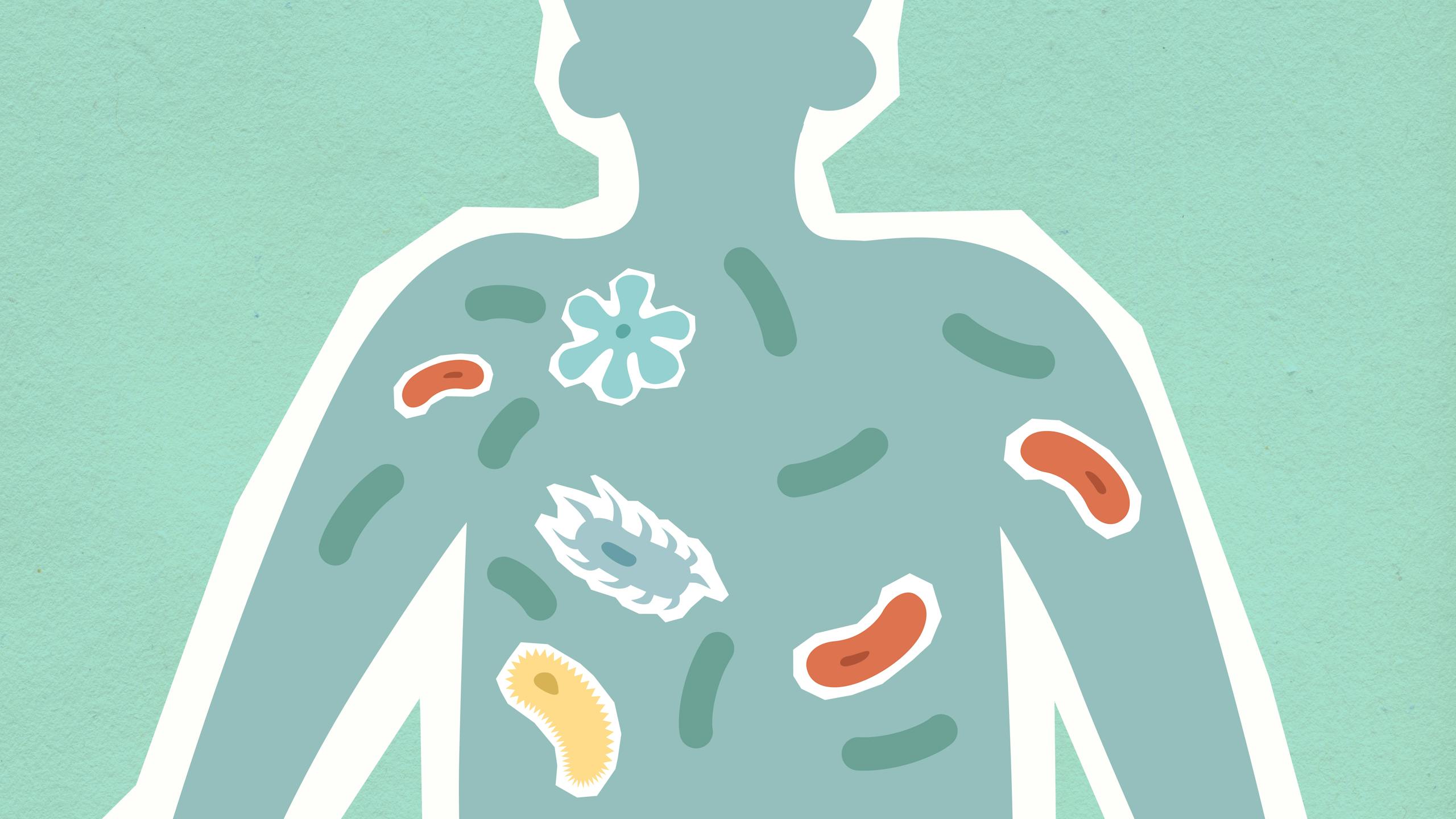
Every person on earth carries tiny amounts of radioactive elements inside their body. Potassium and carbon isotopes naturally occur in human tissues because they are part of normal biological processes. That means your body quietly emits small amounts of radiation constantly.
Scientists use sensitive instruments to measure this natural radiation in hospitals, laboratories, and research facilities. The levels remain extremely low and completely normal for healthy humans. In fact, people constantly exchange tiny doses of radiation with the environment around them every day.
This idea feels almost unbelievable at first because humans rarely think of themselves as radioactive objects. Yet biology and chemistry are deeply connected to nuclear science in ways many people never learn in school. The human body itself becomes one of the most surprising sources of radiation on Earth.
Conclusion
Radiation sounds frightening when linked to disasters, weapons, or medical emergencies, yet much of it exists quietly within ordinary life. From bananas and granite countertops to airplane flights and smoke detectors, radioactive materials surround people far more often than they realize. Most of these examples remain harmless in normal amounts, which makes the truth feel even more surprising.
Learning about natural radiation changes the way everyday objects look and feel. Suddenly, common foods, household items, and even the human body carry hidden scientific stories beneath the surface. The world becomes a little stranger once you realize radioactivity is not just locked away in laboratories but woven into daily life itself.


