
In 2026, the rising cost of living continues to hit people’s wallets harder than ever. While income levels may not have seen the same increase, the pressure from rising expenses is palpable.
The troubling part? These financial burdens often build up slowly and subtly, without immediately making themselves known.
Everyday habits and minor adjustments in spending behaviors can reveal much more than you might think. Before you know it, those small shifts in your spending add up, and the financial strain is undeniable.
If you’re starting to notice a shift in how you handle your money, it might not just be in your head. Here are 10 alarming signs that the soaring cost of living is quietly draining your wallet in 2026, long before you realize the full impact
Grocery Bills Are Higher Than Usual

One of the clearest signs that the cost of living is catching up with you is the ever-increasing grocery bill. Items you used to buy without a second thought now seem more expensive, and even basic shopping feels like a major financial decision.
The price hikes of everyday food staples are forcing people to reconsider what they put in their carts and plan their meals more carefully than ever before.
Small Purchases Now Feel Like Big Decisions
You might find yourself hesitating before making even the smallest purchase. Whether it’s grabbing a coffee, picking up lunch, or buying a new pair of shoes, these once trivial purchases now feel like significant financial decisions.
The constant re-evaluation of these seemingly minor costs is a subtle, yet clear, sign that you’re feeling the weight of rising living costs.
Socializing Has Become Less Frequent

Dinner out with friends, a night at the movies, or even an impromptu weekend getaway, activities that once felt like a normal part of life are now being carefully considered or outright skipped. Socializing has become less frequent as people are forced to tighten their belts.
The rising cost of dining out and entertainment is pushing many to choose staying in over going out, impacting social lives and relationships.
Searching for Discounts Has Become a Habit
As everyday expenses grow, the habit of seeking out discounts and deals has turned into a necessity. People are no longer shopping on a whim; they are hunting for sales, using coupons, and comparing prices for every purchase.
The mindset has shifted from simply buying what’s needed to actively looking for the lowest price for everything, from groceries to gadgets.
Bills Are Causing More Stress Than Before
Utility bills, rent, and other recurring payments feel heavier each month. Even if the total hasn’t changed much, it feels like the burden is growing.
More people are reporting feeling stressed when it comes to paying for necessities, as the higher costs of everything from electricity to internet seem to drain more of their income every month.
Saving Money Feels Like an Impossible Task
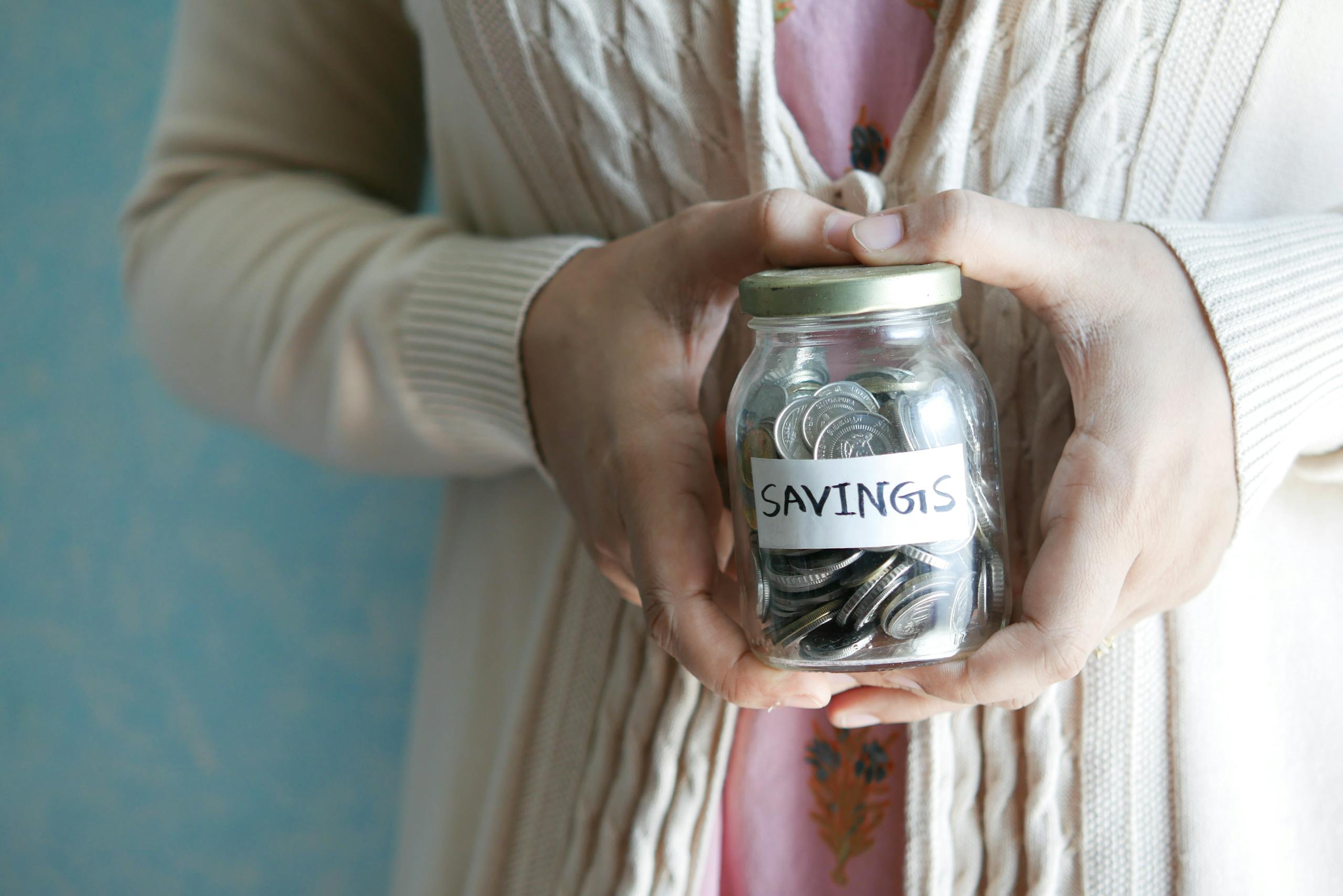
In previous years, saving for a rainy day or building up an emergency fund felt like something you could manage. Now, however, saving money seems almost impossible.
With everything from groceries to energy bills becoming more expensive, it’s harder to set aside funds for the future. For many, savings goals are being pushed aside in favor of covering current expenses.
Non-Essential Purchases Are Being Cut First
When it comes to spending money, anything that isn’t absolutely necessary is the first thing to go. New clothes, entertainment subscriptions, and spontaneous shopping sprees are now being sacrificed to keep finances in check.
People are re-evaluating their wants versus needs and cutting back on anything that doesn’t directly impact their day-to-day survival.
You’re Paying More Attention to Your Budget

The days of mindlessly spending are over. People are becoming hyper-aware of where their money goes, often tracking every penny more closely than before.
A greater focus on budgeting is one of the strongest signs of financial strain. It’s no longer just about staying within a monthly budget, now, it’s about surviving and ensuring there’s enough to cover everything.
Small Purchases Trigger Emotional Stress
Even making small, necessary purchases can create anxiety. What used to feel like a normal expense, such as buying a new pair of shoes or a new gadget, now comes with guilt or stress.
The emotional weight of spending money has grown heavier as the cost of living continues to soar, and it’s creating a constant feeling of worry about finances.
“Where Did All My Money Go?” Feeling
It seems like money just vanishes without a clear explanation. You may find yourself wondering why you have so little left at the end of the month, even though you’ve been careful with your spending.
The rising cost of living, with seemingly small price increases everywhere, makes it difficult to account for every dollar.
That feeling of financial drain, without being able to pinpoint exactly why, is a telltale sign of rising costs slowly taking their toll.
Conclusion
These 10 signs reflect the subtle yet alarming ways that the soaring cost of living is draining your wallet in 2026. From rising grocery bills to the emotional toll of spending, the financial pressure is quietly building up without you even realizing it.
The truth is, the financial landscape has shifted, and people are feeling it in their day-to-day lives, often in ways that aren’t immediately obvious.
Recognizing these signs early on is crucial. By staying aware of your habits and adjusting where necessary, you can take steps to manage the strain of rising costs.
Whether it’s reevaluating your budget, cutting back on non-essentials, or simply becoming more mindful of your spending, it’s clear that 2026 demands a more cautious approach to finances.