


Nowadays, the concept of “healthy” eating has become synonymous with buzzwords in the wellness community.
From quinoa bowls to plant-based snacks, the food industry capitalizes on health-conscious trends.
However, not all foods marketed as “healthy” live up to the hype. In fact, some of them may be harming your body more than helping it. Let’s break down some of these so-called healthy foods and their hidden drawbacks.
Granola
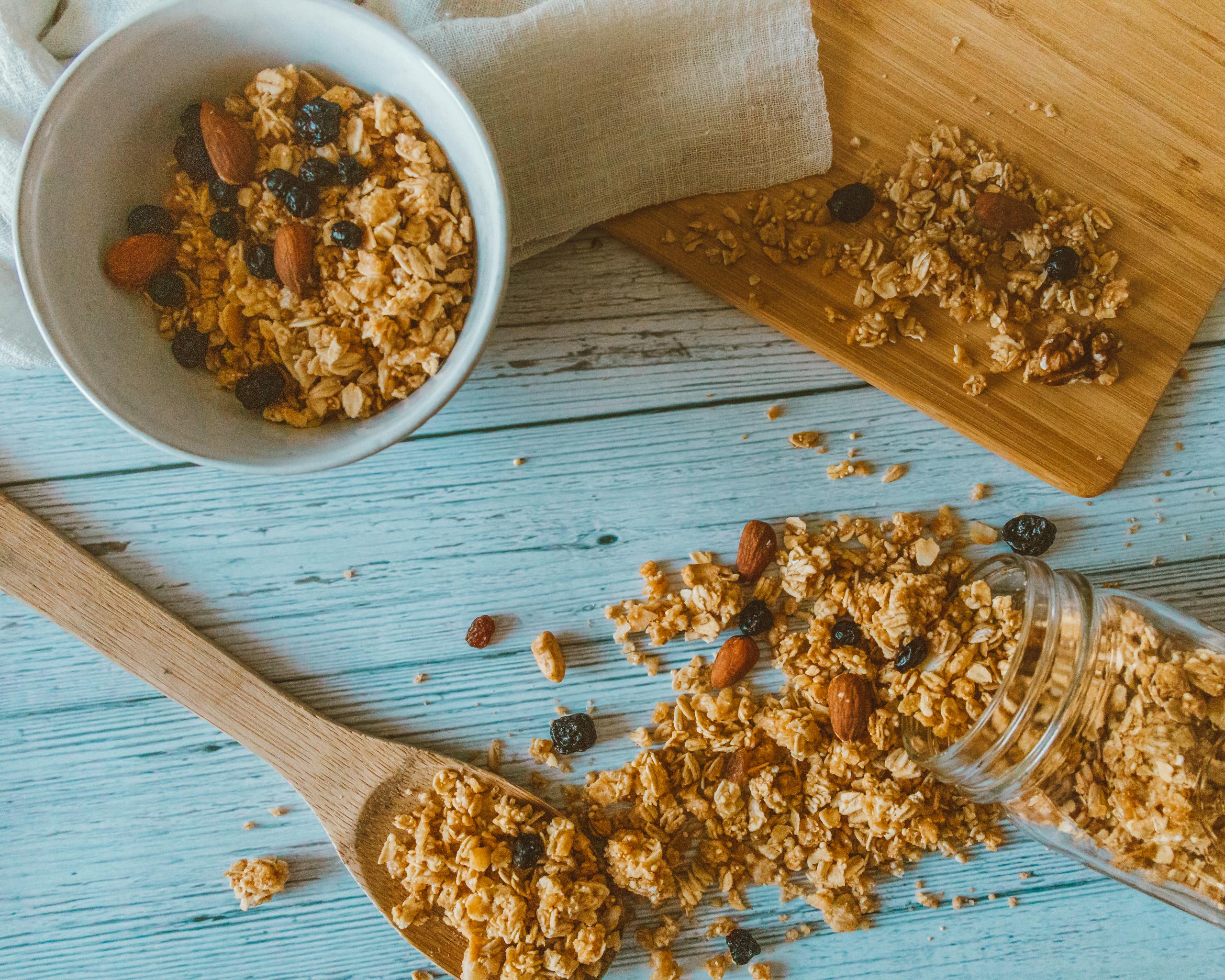
Granola has long been marketed as a go-to breakfast option or snack for those looking to eat healthier. However, many commercially produced granola varieties are loaded with sugar and unhealthy fats.
Even though granola is often packed with oats and nuts, it’s frequently sweetened with added sugars like honey, maple syrup, or refined sugars.
This sugar-laden snack can cause spikes in blood sugar levels, leading to energy crashes and potentially contributing to weight gain over time.
Opt for homemade versions to control the sugar content or choose unsweetened alternatives.
Fruit Juices
Fruit juices, especially those marketed as “100% natural,” are often considered a healthy choice for hydration.
However, what’s missing from these juices is the essential fiber that comes with whole fruits. Juices are also often concentrated sources of sugar, leading to quick spikes in blood glucose levels without offering the satiety or nutritional value of the entire fruit.
Instead of drinking fruit juices, try eating whole fruits to reap the full benefits of fiber, vitamins, and antioxidants without the excessive sugar.
Veggie Chips
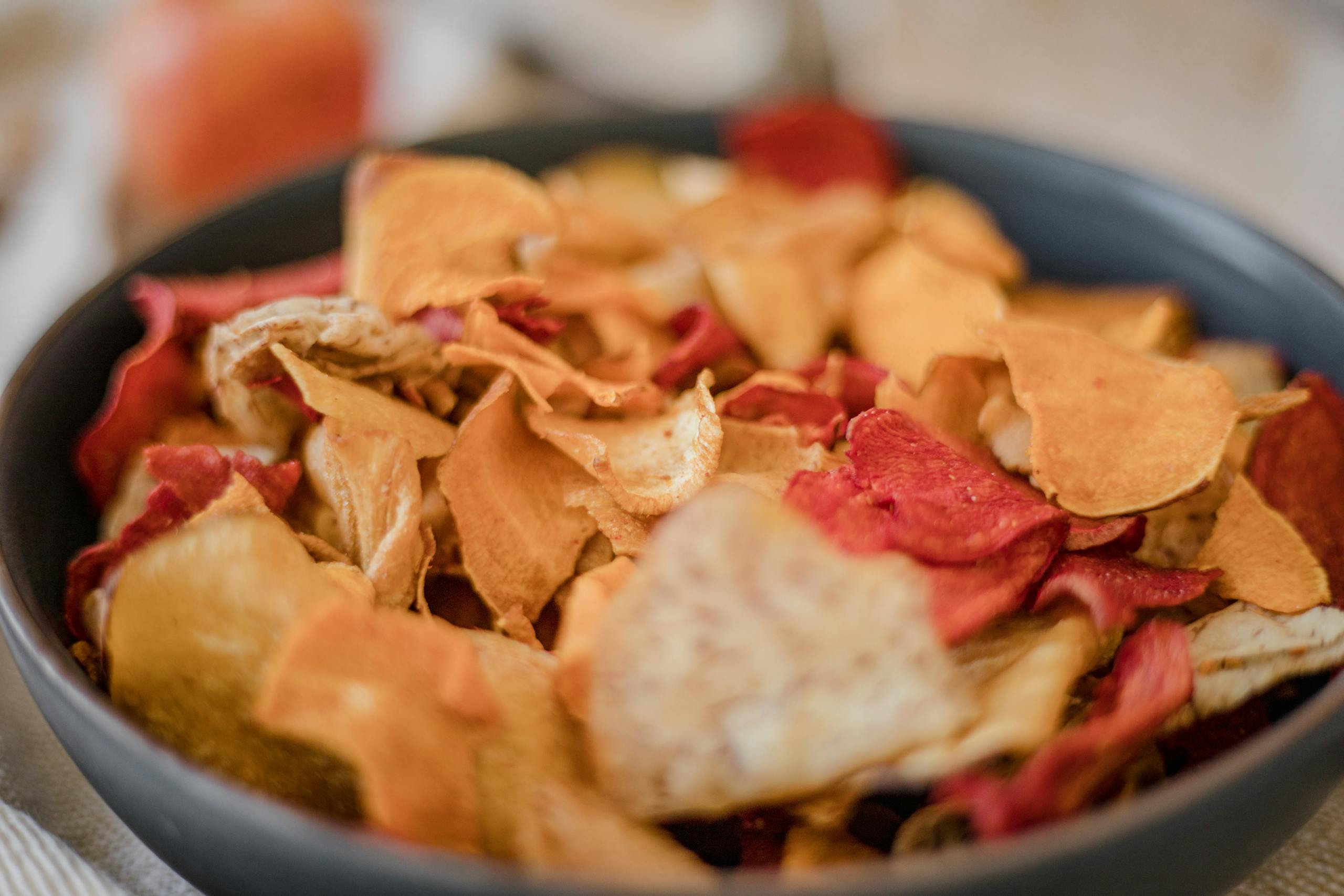
Veggie chips, often seen as a healthier alternative to regular potato chips, are loaded with preservatives, artificial flavorings, and excessive amounts of sodium.
While they may contain vegetable powder, the nutritional value is minimal compared to consuming actual vegetables. These chips may contribute to your daily calorie intake without providing significant amounts of fiber or vitamins.
Consider snacking on raw veggies like carrots, celery, or bell peppers for a more nutritious option.
Plant-Based Meat Substitutes
Plant-based meat substitutes, such as the popular “Beyond Meat” and “Impossible Burger,” have surged in popularity as a healthier alternative to traditional meat.
While they are lower in saturated fats and do not carry the environmental impacts of meat production, they are highly processed and contain high levels of sodium and other additives.
Eating these substitutes regularly can lead to high sodium intake, which is linked to high blood pressure and cardiovascular issues.
Consider incorporating more whole plant-based foods, such as beans, lentils, and tempeh, into your meals for a more natural approach to plant-based eating.
Almond Milk
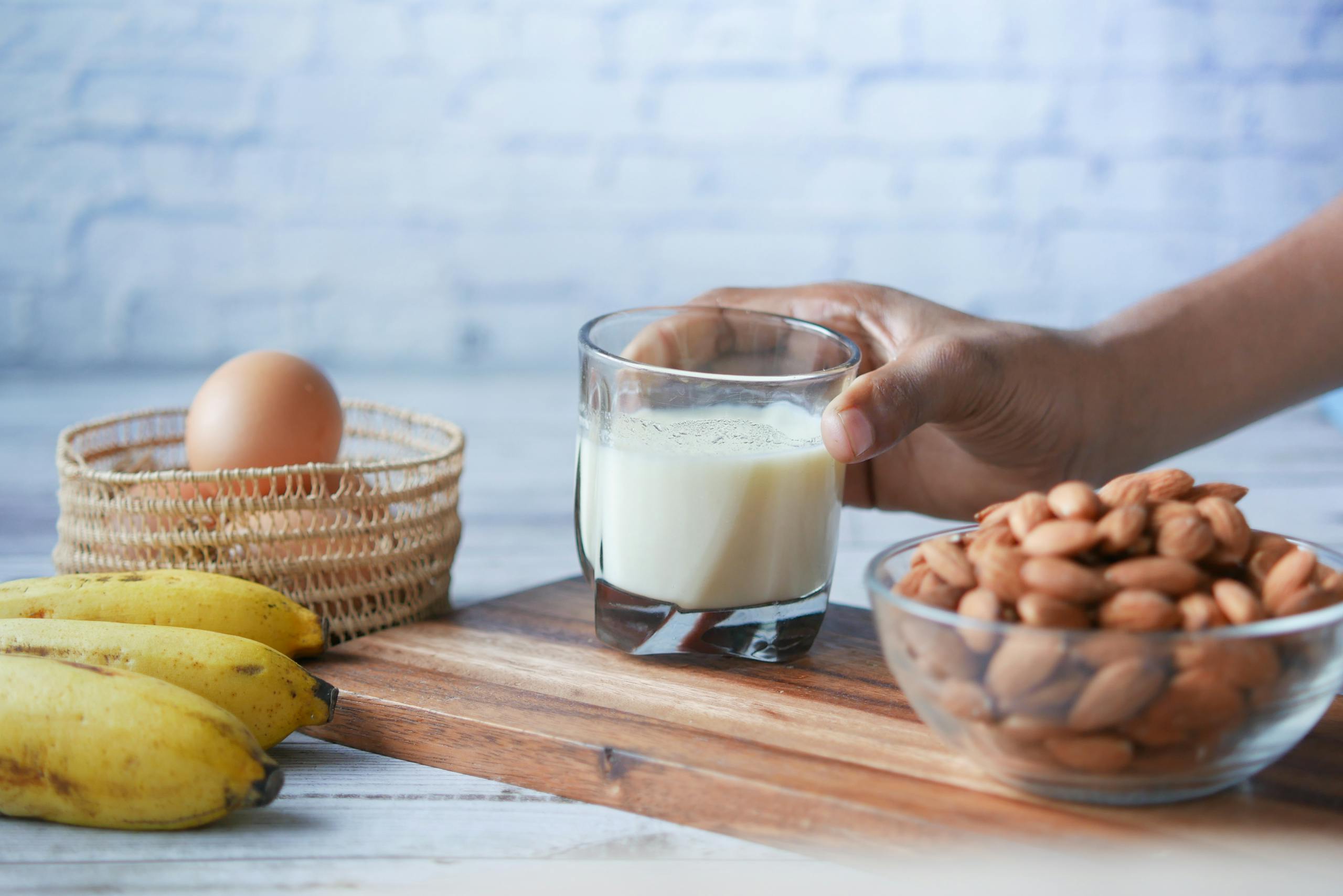
Almond milk is often chosen as a dairy-free alternative, but it’s important to understand that it might not be as nutritious as you think.
Many brands of almond milk contain added sugars, preservatives, and thickeners that compromise their nutritional integrity.
Additionally, almond milk is typically low in protein, which is a critical nutrient for muscle repair and overall body function.
Instead of relying on almond milk, try switching to alternatives like soy milk or oat milk, which offer more protein and fewer additives.
Whole Wheat Bread
Whole wheat bread is often marketed as a healthy alternative to white bread, but it’s essential to differentiate between truly whole grains and refined varieties.
Many whole wheat breads contain a significant portion of refined flour, which doesn’t offer much more nutritional value than white bread.
Moreover, refined carbohydrates are known to spike blood sugar levels and contribute to weight gain. Look for 100% whole grain bread with no added sugars and minimal processing.
Coconut Oil
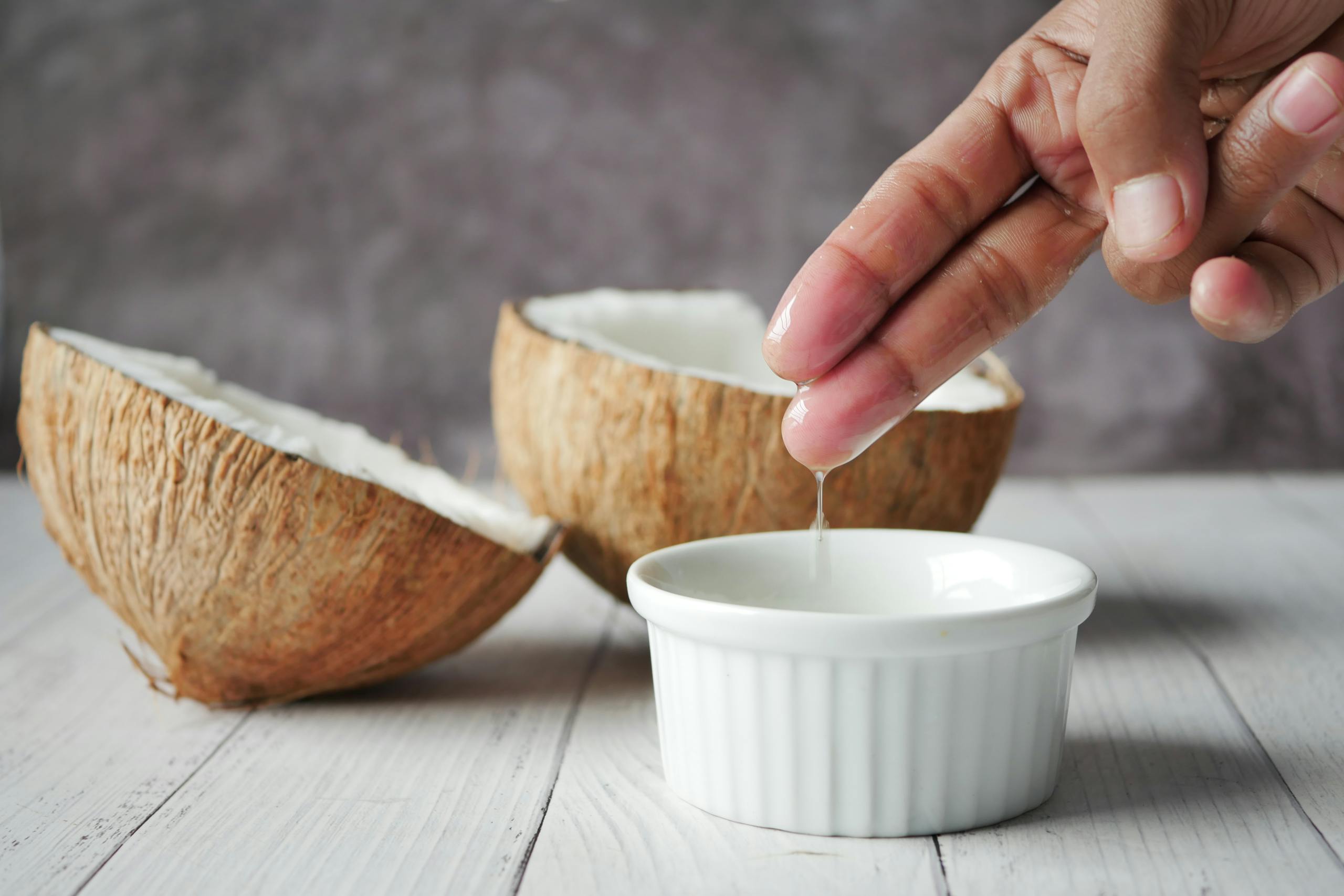
Coconut oil has become a trendy ingredient in the health world due to its perceived benefits, including boosting metabolism and improving heart health.
However, it’s important to understand that coconut oil is very high in saturated fat. High saturated fat intake has been linked to an increased risk of heart disease and raised cholesterol levels.
While small amounts of coconut oil can be incorporated into a healthy diet, it’s best to prioritize healthier fats such as olive oil, avocado, and nuts.
Salads with Low-Fat Dressing
Salads are often thought of as a healthful, low-calorie meal option, but many store-bought salads are loaded with high-calorie ingredients like creamy dressings, cheese, croutons, and processed meats.
Even opting for a low-fat dressing doesn’t necessarily help; many of these dressings contain added sugars and artificial ingredients.
To make your salad truly healthy, use homemade dressings made with olive oil, vinegar, and a small amount of mustard or honey.
Load up on fresh vegetables, lean protein, and healthy fats like avocado or nuts to keep it nutritious and filling.


