Why You Should Stop Saying “Sorry” for These Things

Image Credit: gustavofrazao via 123RF
Saying “I’m sorry” has become an automatic reflex for many individuals. It’s a response that often flies out of our mouths before we have a chance to process the situation fully. But why is this the case? Why have we become so conditioned to apologize for every little thing, even when we aren’t at fault?
Over-apologizing undermines your confidence and affects how others perceive you. If you find yourself constantly uttering the word “sorry, it’s time to recognize which situations deserve an apology and which don’t.
Your Opinions

Having a unique perspective or opinion is part of what makes us human. However, many individuals, especially people-pleasers, apologize simply for expressing their thoughts. “I’m sorry, but I don’t agree with that” has become a familiar refrain, often said with hesitance or uncertainty.
Your opinions are yours to have and share. There’s no need to apologize for them—especially if you’re not disrespecting someone else or their beliefs. Confidently state your opinion and understand that disagreement is natural and healthy in any conversation.
Taking Up Space
Many people, particularly women, tend to apologize for existing. This can manifest in both literal and figurative ways. For example, have you ever been at a crowded event and said, “Sorry, excuse me” as you passed someone? You aren’t in anyone’s way. You’re simply moving through your environment as you should be.
The same applies when you express yourself through body language, voice, or ideas. Stop apologizing for simply being you. You deserve to take up space and be heard without the need to shrink back.
Having Boundaries
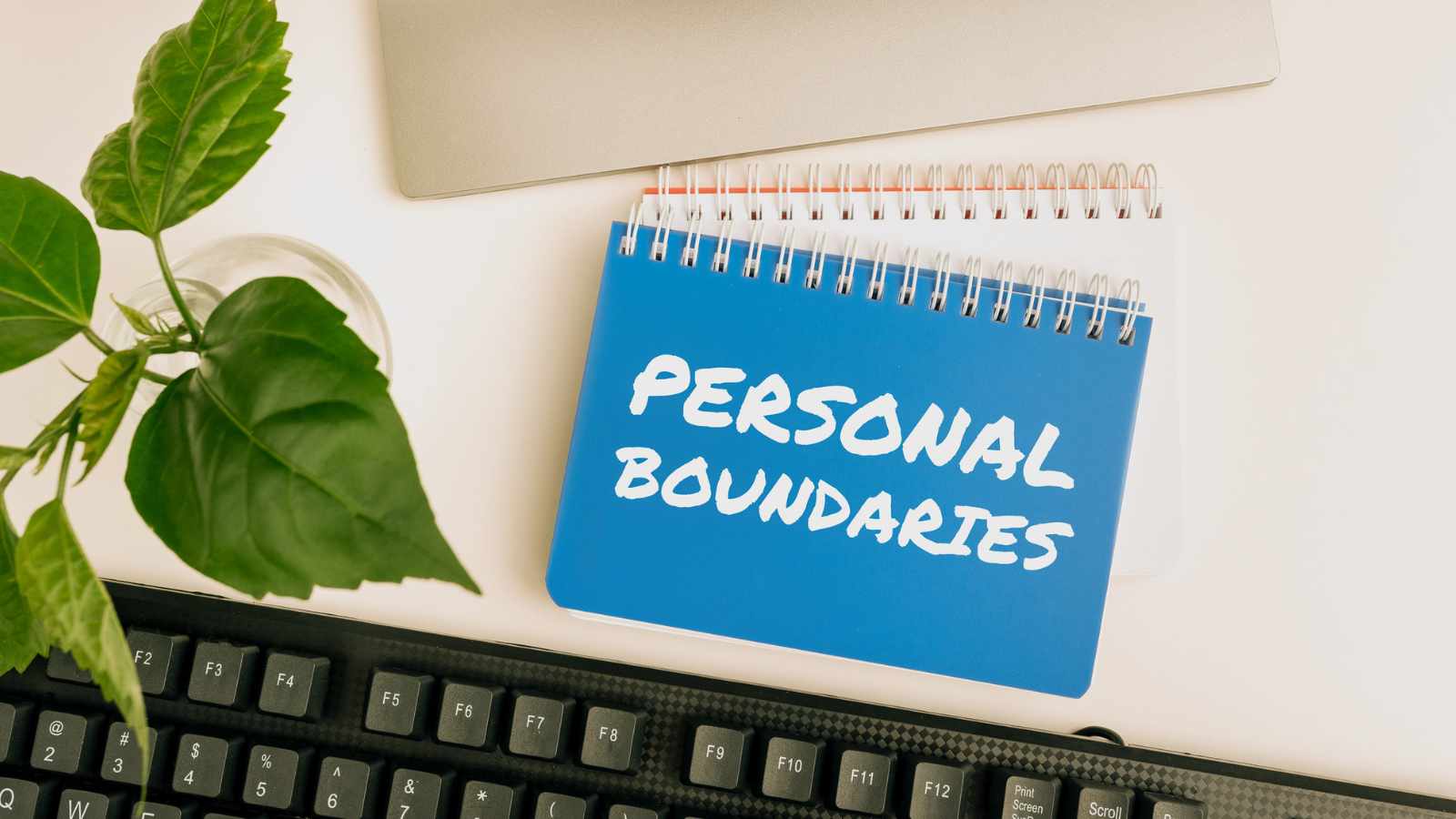
Setting boundaries is an important aspect of healthy relationships, both personal and professional. Yet, too many people apologize when they need to say “no” or set limits. “Sorry, but I can’t help you with that” is often followed by a feeling of guilt, even though you’re well within your rights to decline.
Recognizing that your time, energy, and well-being matter is essential. Boundaries are a sign of self-respect, not rudeness, and you should never feel the need to apologize for establishing them.
Resting
Productivity is often idolized, and the notion of “hustle culture” is pervasive. As a result, many people apologize when they need a break or feel fatigued. Phrases like “Sorry, I need to rest” or “I can’t do this right now, I’m tired” are far too common. But why should you feel guilty for taking care of yourself?
Rest is vital for your physical and mental health, and anyone who doesn’t understand that isn’t worth over-apologizing to. Prioritize self-care and make rest a non-negotiable part of your routine.
Saying No
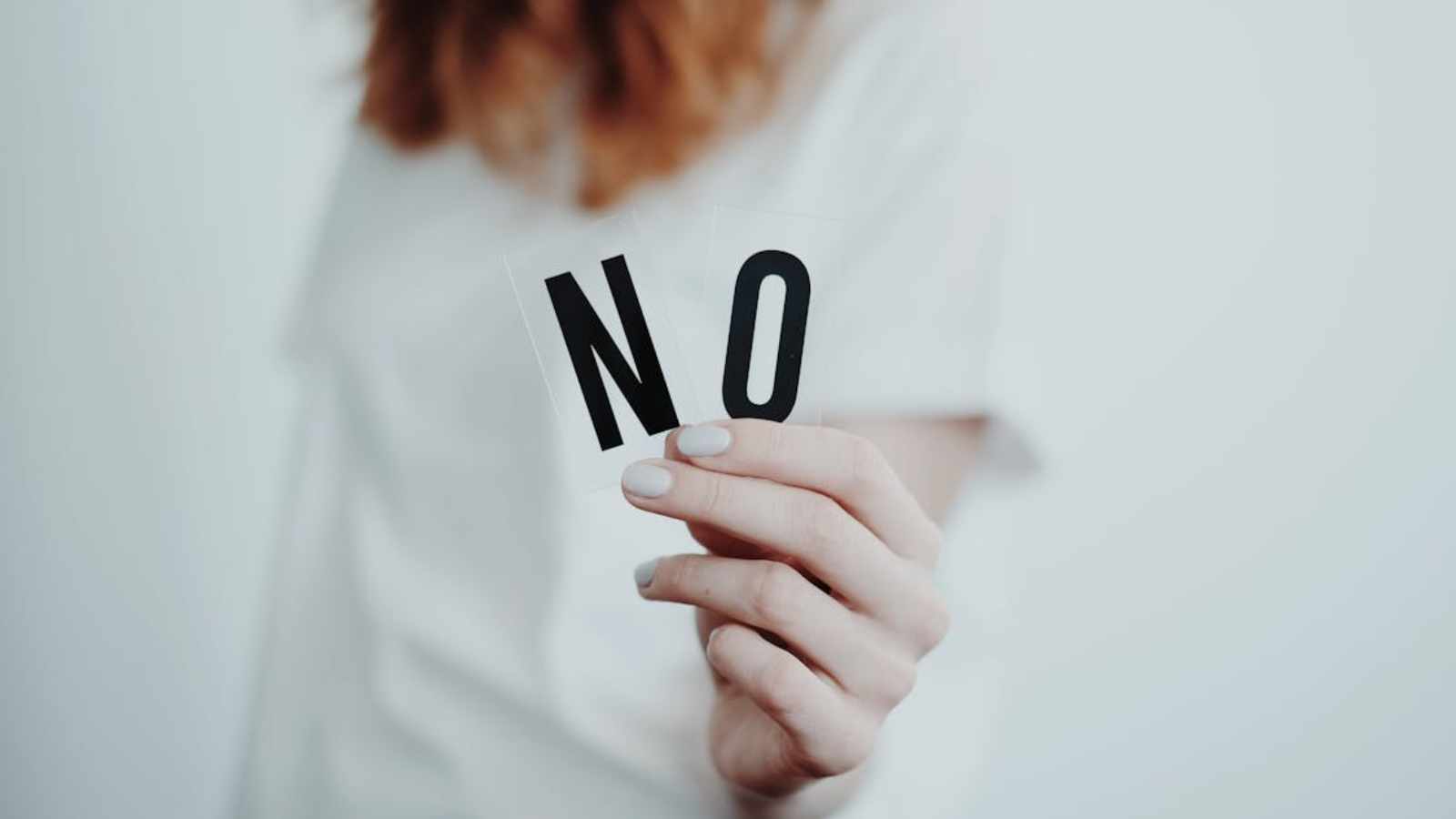
Saying “no” is often viewed as an act of defiance or rejection, but it is an essential skill for maintaining balance in your life. When you refuse an invitation, a favor, or a request, you are not doing anything wrong. In fact, you’re taking charge of your own life and respecting your own limits.
Why apologize for making a choice that is best for you? Saying no is a form of self-respect, and it doesn’t require an apology.
Your Success
Many people, particularly those raised in modest or humble environments, feel uncomfortable acknowledging their achievements. It’s common to hear phrases like, “I’m sorry, but I got the promotion,” or “I didn’t mean to outshine anyone.” But success is something to be proud of, not something to hide.
You’ve worked hard, and you deserve to celebrate your victories without feeling the need to apologize for them. Don’t downplay your success. Embrace it.
Expressing Your Needs
When asking for help, making a request, or simply stating your needs, many people apologize for expressing themselves. Phrases like “I’m sorry to bother you” or “I hope it’s okay, but could you help me with this?” often slip into our vocabulary, as if our needs are an imposition on others.
Everyone has needs, and expressing them is a natural part of life. Stop apologizing for asking for what you need.
Being Emotionally Honest

Feelings are a normal and valid part of the human experience. Yet, many of us apologize for showing emotions such as sadness, frustration, or anger. It’s as if we believe that emotional honesty makes us weak or vulnerable.
Expressing how we feel is integral to building authentic relationships and taking care of our mental health. Angry, upset, or even happy, don’t apologize for how you feel. Embrace emotional transparency.
Reclaim Your Confidence by Stopping the Apologies
Over-apologizing diminishes your self-worth and makes others question your confidence. Recognizing when an apology is truly warranted and when it’s unnecessary, you can reclaim your voice and assert your presence.
You don’t need to apologize for having opinions, setting boundaries, or being successful. Stop apologizing for things you can control, and start embracing your authentic self.