


This article was originally published on Crafting Your Home. A human contributor also wrote and edited the post.
America’s newest fitness trend is about choosing realistic, sustainable movement that fits daily life. It starts with comfortable shoes and stepping outside.
More Americans are trading crowded gyms and intense workouts for something simpler: walking. Its appeal is its convenience and how well it fits daily life.
Once dismissed as “not real exercise,” walking is now a popular way to stay active. Millions fit walking into their daily routines instead of scheduling workouts.
Americans are choosing consistent, manageable routines over extreme fitness goals. Walking supports lasting habits because it fits into daily life.
Walking is less about burning calories and more about building a realistic, healthy lifestyle. Experts recognize it as moderate exercise that supports heart health, endurance, mood, and wellness.
The Gym Burnout Problem Is Real
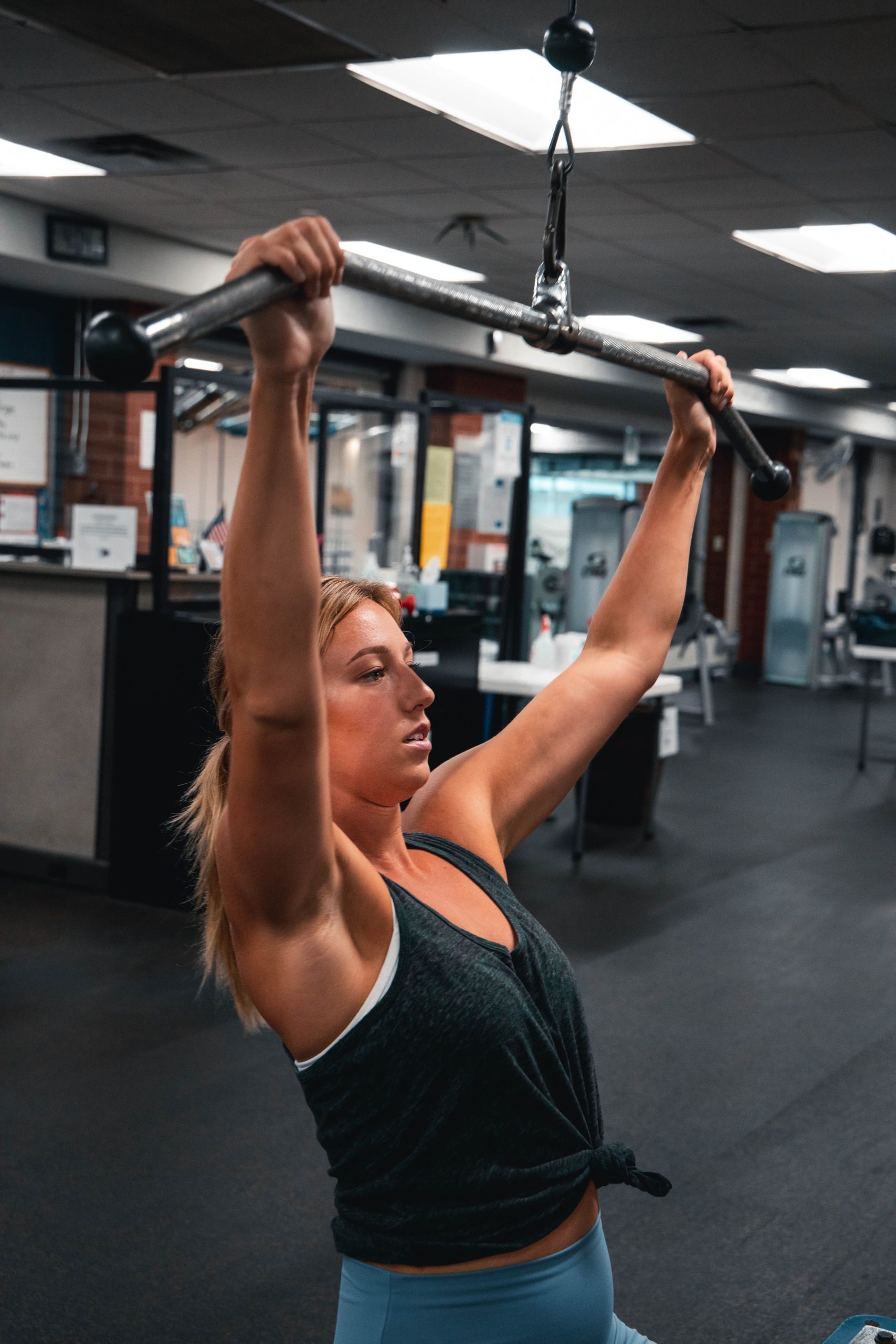
For decades, the gym represented the traditional path to fitness. People joined gyms, bought gear, made plans, and promised change—but many stopped going. The problem was often sustainability, not motivation.
Gym workouts require planning, cost money, involve crowded equipment, and add pressure to perform. Walking offers simplicity, especially for beginners.
There’s no learning curve or fear of looking inexperienced. You don’t need to lift weights or complete intense workouts to feel accomplished.
A 20-minute walk can become a daily habit, not just another obligation. Walking is popular because it’s accessible, requires little equipment, and suits nearly every fitness level.
Americans Want Exercise That Fits Into Real Life
Modern American life centers on convenience. People work longer hours, have more responsibilities, and sit more than before. For many, an hour at the gym several times a week feels unrealistic.
Walking solves this because you can do it almost anywhere.
You can walk before work, during lunch, after dinner, or while listening to a podcast. Parents can push strollers, older adults can maintain mobility, and office workers can take walking breaks. Walking fits easily into daily routines.
This flexibility has made walking a mainstream wellness habit and boosted the popularity of low-impact workouts.
Experts note growing interest in low-impact workouts that support health without exhausting the body. Walking, gentle strength training, and mobility exercises offer long-term results.
Mental Health Is Driving the Walking Boom
The walking trend is not only about physical health. Many walk because it offers a chance to slow down, something gyms can’t always provide.
An outdoor walk provides a break from screens and stress. People use the time to think, listen to music, call friends, or enjoy quiet, making it more than exercise. This mental reset is valuable as stress and burnout rise, helping walking gain appeal.
The popular “hot girl walk” trend that spread on social media helped change how younger generations view walking. Instead of presenting exercise as punishment, the trend framed it as self-care, confidence, and personal reflection.
The message was simple: movement does not have to be extreme to matter.
Technology Made Walking More Competitive
Walking may be simple, but technology has helped transform it into a measurable fitness activity. Smartwatches, fitness trackers, and smartphone apps let users track steps, distance, heart rate, and progress.
The famous 10,000-step goal became a cultural benchmark. However, health researchers have emphasized that people can benefit from many levels of activity and should focus on consistency rather than chasing one specific number. That perspective has made step tracking feel more useful than restrictive.
Social media has also played a major role.
Walking groups, step challenges, and online communities have turned a solo activity into something social. People share routes, progress updates, and daily goals, creating accountability without the pressure often associated with traditional fitness culture. This shared activity makes walking feel more connected and easier to sustain.
For many, walking feels achievable because success is measured by showing up rather than reaching perfection, which makes the activity easier to sustain.
Walking Is Winning Because It Is Affordable
Cost is another major reason Americans are choosing walking.
Gym memberships can become expensive, especially when people sign up but rarely attend. Home workout equipment can also require significant investment.
Walking requires almost nothing beyond comfortable shoes.
At a time when many households are managing spending carefully, free exercise has obvious appeal.
A person can improve fitness without monthly fees, expensive machines, or specialized classes.
That financial accessibility has helped walking reach people who may have avoided traditional fitness spaces, reinforcing why it keeps growing.
The Gym Is Not Disappearing
Despite the walking boom, experts do not expect gyms to vanish.
Strength training, group fitness classes,s and specialized workouts remain important parts of many people’s routines.
Walking also does not replace every type of exercise. Health professionals often recommend combining aerobic activity with strength training for balanced fitness. Even so, the rise of walking shows that Americans are expanding their definition of fitness.
Instead, the rise of walking shows that Americans are expanding their definition of fitness around what they can maintain, not just what feels intense.
The old idea that exercise must involve sweat, machines, and intense effort is being replaced by a broader understanding: movement people actually maintain is often more valuable than a perfect workout plan they abandon.
The Future of Fitness May Be Simpler
The growing popularity of walking reveals something important about American health culture: people want fitness that fits their lives. Walking succeeds because it meets people where they are and reflects that preference clearly.
People are tired of complicated systems that are difficult to maintain. They want routines that fit their lives, not routines that require a complete lifestyle change. Walking succeeds because it meets people where they are and makes that preference clear.
Walking succeeds because it meets people where they are. It works for beginners, busy professionals, parents, retirees, and anyone looking for a healthier daily habit.
It works for beginners, busy professionals, parents, retirees, and anyone looking for a healthier daily habit.
The next big fitness movement may not come from the newest machine or the hardest workout.
It may come from something humans have done for thousands of years.
Putting one foot in front of the other.
If you like what you just read, then subscribe to our newsletter and follow us on social media.