Why Christmas Colors Are Red and Green

Image Credit: Gustavo Fring via Pexels
Christmas is synonymous with certain sights, sounds, and smells. But one element that never fails to grab attention is the striking combination of red and green. From twinkling lights to festive decorations, these two colors dominate the holiday season.
But why are red and green the chosen hues for Christmas? And why do they evoke such strong feelings of joy and nostalgia? Join me as we unwrap the intriguing history, cultural significance, and symbolism behind these festive colors that we associate with the most wonderful time of the year.
Why Do We Use Red and Green for Christmas?
It’s a question many ask, but few know the full story behind: why red and green? To begin with, the colors themselves have a long history in various cultures, each imbued with its own meanings and associations. In the context of Christmas, the pairing of red and green didn’t happen overnight.
Over centuries, these two colors became inextricably linked to the holiday season, especially in Western traditions.
Red, often seen as the color of warmth, passion, and vitality, has been associated with many holidays and religious symbols, from the robes of bishops to the fire of hearths. Green, on the other hand, is linked to nature, life, and renewal.
These associations make them naturally complementary when it comes to Christmas. The link between Christmas and red and green gained widespread popularity with the rise of Christmas trees. In the early 1800s, evergreen trees adorned with red ribbons, berries, and candles began to take center stage in homes across Europe.
These evergreens, which symbolize eternal life, became the backbone of the holiday tradition, and the tree’s colors, green for the pine needles and red for the decorations, were soon adopted as the season’s hallmark colors.
The Role of Christianity in Red and Green Christmas Colors

The religious roots of Christmas also contributed to the establishment of red and green as the holiday’s colors. Christianity has long emphasized symbols of life and rebirth, and both red and green fit into this theme perfectly.
The red symbolizes the blood of Christ, marking His sacrifice and ultimate victory over death, while green represents eternal life, a central concept of the Christian faith. As Christianity spread, the church embraced these colors as part of its Advent celebrations and Christmas traditions.
Another key influence came from the holiday’s visual iconography. The famous image of Santa Claus, or St. Nicholas, in his red suit with white fur trim, became an essential symbol of Christmas throughout the 19th and 20th centuries.
The red in Santa’s attire helped cement the color’s place in Christmas celebrations, while green, often seen in the Christmas tree, wreaths, and garlands, helped balance the scene with its association with life and nature.
The Historical Evolution of Red and Green Christmas Colors
The origins of red and green in winter celebrations can be traced even further back, to pre-Christian pagan traditions. In ancient Rome, for example, the festival of Saturnalia, celebrated around the winter solstice, used a variety of colors, including red and green, in its decorations.
The tradition of decorating with holly, ivy, and mistletoe, plants that stay green through the winter, dates back to these ancient customs. The Romans’ use of evergreens as symbols of eternal life laid the foundation for green’s role in Christmas.
Additionally, the Vikings and ancient Celts revered holly and mistletoe during the winter months, symbolizing the triumph of life over the dark and harsh winter. These evergreen plants, which retained their color and vibrancy, became emblematic of hope and resilience, fitting perfectly with the themes of Christmas.
As Christianity gradually merged with these older traditions, the blend of red and green continued to thrive. By the 16th century, Christmas trees adorned with red ribbons and decorations were becoming a common feature in Christian households, especially in Germany.
The tree’s green foliage, complemented by red accents, was a visual manifestation of the hope and vitality of Christ’s birth.
The Influence of the Victorian Era
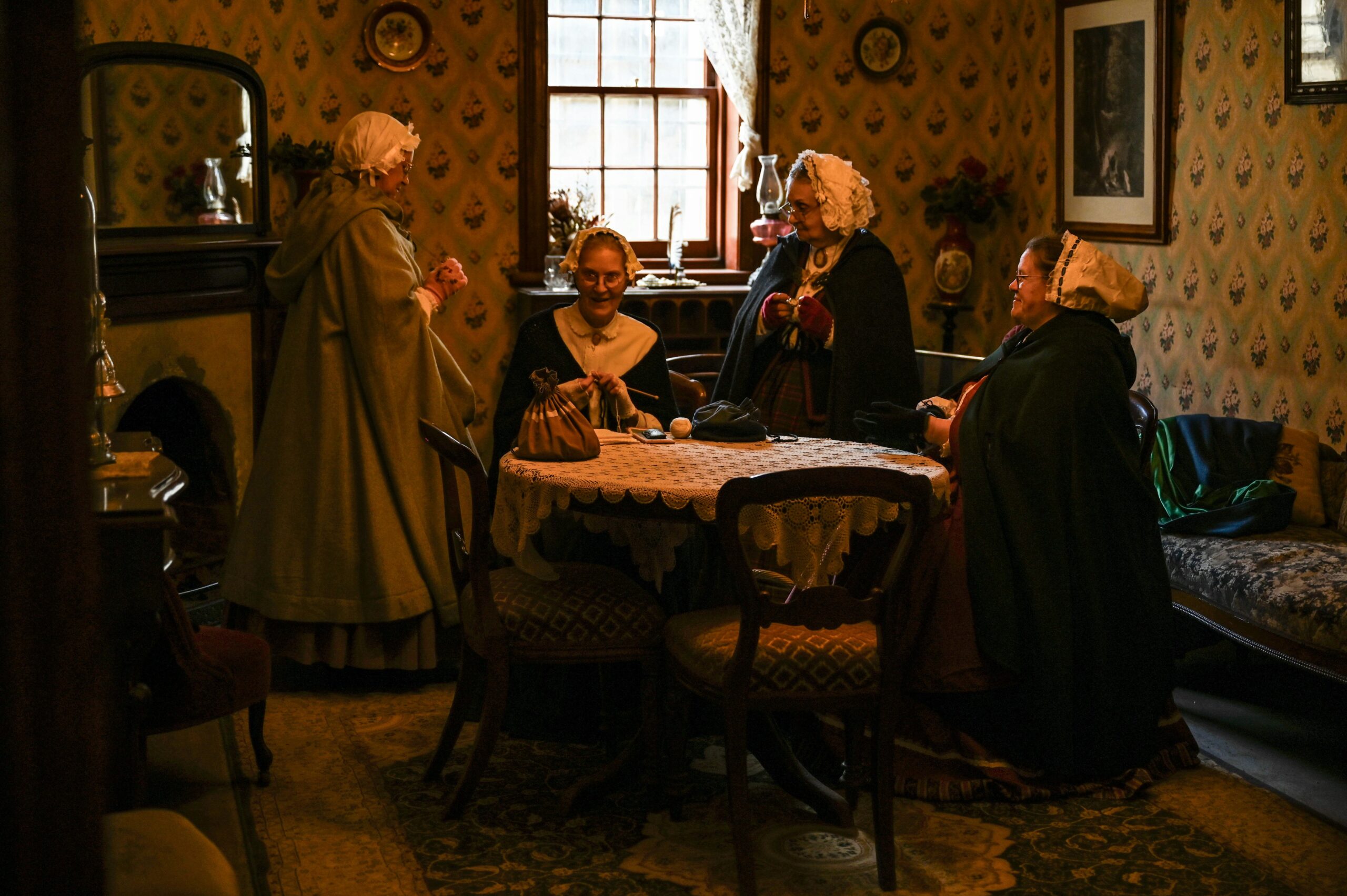
One of the major catalysts in popularizing red and green as the iconic Christmas colors was the Victorian Era. Queen Victoria and Prince Albert are often credited with popularizing the Christmas tree, a tradition they brought from Germany to England in the mid-19th century.
The Victorians, known for their love of ornamentation, adorned trees with red and green garlands, ribbons, and other decorations. This trend spread quickly across Europe and to America, where it became the hallmark of Christmas celebrations.
In addition to the Christmas tree, the Victorians also embraced the use of red and green in other festive elements. From Christmas cards to stockings hung by the fireplace, these two colors became woven into the fabric of Christmas decor.
They symbolized a return to nature, an embrace of the season’s festive spirit, and a nod to the warmth and coziness of home during the cold winter months.
The Symbolism Behind Red and Green Christmas Colors

Red
Red is often associated with passion, energy, and love. At Christmas, this color evokes feelings of warmth and affection. The red of a well-wrapped gift, the glowing of a candle, and the iconic red of Santa’s suit all help to create an atmosphere of joy and excitement. It’s a color that, in many ways, reflects the very spirit of Christmas: generosity, love, and giving.
In Christian symbolism, red also represents the blood of Christ, a reminder of the religious significance of Christmas. For centuries, red has been used to highlight the sacred nature of the holiday, reminding believers of Christ’s ultimate sacrifice and His gift to humanity.
Green
While red is the color of celebration and warmth, green speaks to the enduring qualities of life and renewal. Throughout history, green has been associated with the natural world, evergreens, in particular, symbolize eternal life, as they remain green even in the harshest winter months.
The holly, ivy, and mistletoe traditionally used in Christmas decorations are all plants that retain their green color throughout the cold season, making them perfect symbols of resilience and hope.
Green is also a color associated with peace and harmony, two values that are at the heart of the Christmas message. It reminds us of nature’s beauty, the promise of spring’s renewal, and the joy of being surrounded by loved ones during the holiday season.
The Global Spread and Modern Adaptations of Red and Green Christmas Colors

Red and Green Around the World
While red and green are most commonly associated with Christmas in Western cultures, they have also spread to other parts of the world. In Latin America, for example, colors are widely used in Christmas decorations, though distinct cultural symbols and customs also play a role. In many parts of the world, the combination of red and green evokes similar feelings of joy, warmth, and renewal, transcending cultural and national boundaries.
Contemporary Uses of Red and Green
In modern times, red and green have been further embraced in the commercialization of Christmas. Retailers and marketers have turned these colors into the official “look” of the holiday season, using them in everything from advertisements to product packaging. Even in the world of online shopping, red and green have become essential in capturing the festive spirit of the season.
The festive colors have been embraced not only in traditional decorations like trees and wreaths but also in fashion, food, and entertainment. From red velvet cakes to green garlands, Christmas has become a vibrant celebration of these two colors.
Conclusion
Red and green are much more than just colors; they are symbols deeply embedded in the traditions and history of Christmas. From their religious significance to their association with nature and renewal, these colors bring warmth, joy, and hope to the season.
Whether you love them or find them overdone, there’s no denying that red and green will continue to be central to Christmas celebrations for years to come.
As you decorate your home, enjoy the holiday festivities, or simply bask in the glow of Christmas lights, take a moment to reflect on the rich history and symbolism behind the red and green colors.
They are reminders of the deeper meaning of the holiday season and all that it represents: love, peace, and eternal hope.