


The post Why Autumn Air Smells Different first appeared on Crafting Your Home.
Autumn seems to arrive with its own fragrance. The air feels earthy, leaves smell warmer and woodier, and even a light drizzle can make a familiar outdoor scent feel stronger. But “autumn smell” is not one single thing floating around in the air.
It is a combination of soil compounds, fallen leaves, plant chemicals, moisture, and weather conditions that change how we experience the outdoors.
Geosmin: the earthy note from soil
That classic damp, earthy smell after walking through a fall garden or park often comes partly from geosmin. Soil microorganisms, including actinomycetes, produce this compound, which contributes to the familiar smell of freshly disturbed soil.
Geosmin is an important piece of the autumn scent puzzle, but it is not the only ingredient behind the season’s aroma.
Actinomycetes: the tiny soil workers behind the smell
Actinomycetes are soil bacteria that can look somewhat like fungi because they grow in filament-like forms. They help break down tougher organic material such as cellulose and lignin, and their activity is linked to geosmin production, which adds an earthy character to soil smells.
These microbes remind us that autumn’s scent comes from active natural processes beneath our feet, not just from the leaves we see above ground.
Leaf litter: fallen leaves creating a changing chemical mix
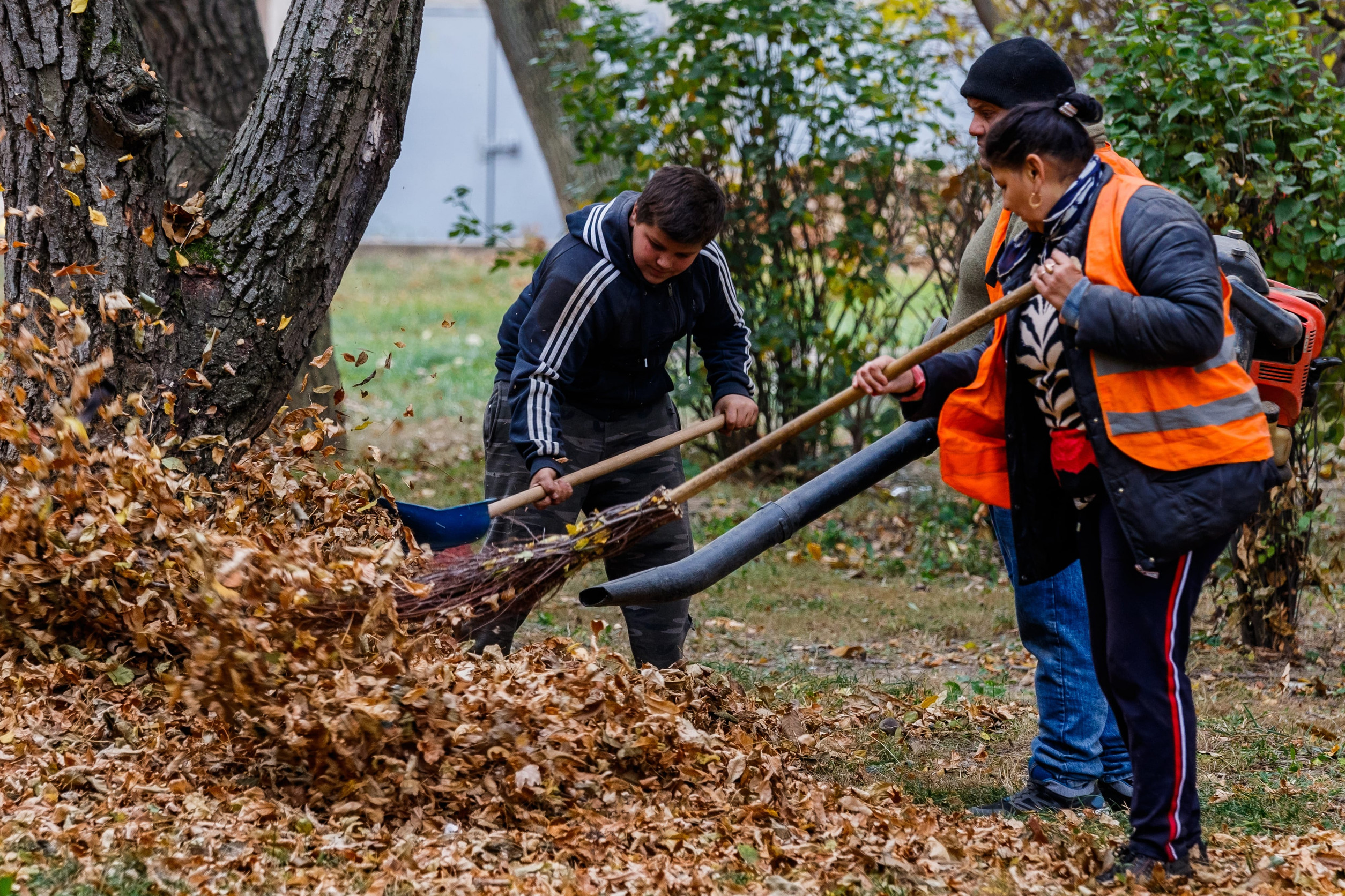
The piles of leaves covering sidewalks and gardens are more than just seasonal decorations. Leaf litter, the ecological term for fallen leaves and plant material on the ground, releases volatile organic compounds as it breaks down, along with compounds produced through microbial activity.
The smell of autumn leaves isn’t one simple “dead leaf” scent; it is a shifting mixture created by plant material, decomposition, and the surrounding environment.
Related: Why Leaves Change Color: The Science Behind Fall’s Show
Volatile organic compounds (VOCs): the invisible scent carriers
Many autumn smells travel through the air as volatile organic compounds, or VOCs. These are carbon-containing chemicals that easily become gases, allowing them to carry aromas from plants, soil, and decomposing leaves into the air around us.
VOCs are a broad category that includes many naturally occurring plant compounds, and they help explain why the landscape can smell different as the seasons change.
Terpenes: the woody notes from plants
Some of the woody or resin-like smells associated with plant material can come from terpenes, a group of plant-produced VOCs. Research on emissions from woody-plant litter has identified terpenes among the compounds released during decomposition.
Terpenes may contribute to certain autumn aromas, but they are only one part of the larger collection of scents that make the season recognizable.
Rain, damp ground, and the return of petrichor
An early autumn shower can make outdoor smells seem stronger because rain changes how compounds move from surfaces into the air. Petrichor, the familiar scent that appears when rain hits dry ground, comes from a process in which raindrops hitting porous surfaces trap tiny air bubbles that burst and release aerosols carrying aromatic compounds.
Rain can amplify the smells already present in soil and plants, but petrichor isn’t an autumn-only scent; it can happen in other seasons too.
Cool air and why autumn mornings can smell more concentrated
The phrase “crisp autumn air” describes a feeling, not a specific smell. On calm, clear mornings, cooler air near the ground can sometimes mix less with air above it, allowing nearby smells to linger closer to where people notice them.
Autumn’s cooler conditions don’t create a new fragrance by themselves; the season feels different because the mix of soil, leaves, moisture, and airborne compounds changes, and weather can affect how strongly those scents are noticed.
Wood smoke: the familiar autumn scent from cooler evenings
For many people, autumn also brings the smell of wood smoke from fireplaces, wood stoves, fire pits, or outdoor burns as cooler weather arrives. Wood smoke adds another layer to the seasonal scent mix because it contains a combination of gases and fine particles that become part of the air around us.
While it may be strongly connected with cozy autumn memories, it’s better understood as another source of seasonal smell rather than the natural scent of fall itself.
Part of autumn’s magic is not just what is in the air, but what those familiar smells remind us of, because a scent can become a personal memory of a season, a place, or a moment.
Other Posts You Might Like
- The Fascinating Science of Water: 10 Lesser-Known Facts That Will Blow Your Mind
- 10 Dangerous Myths About Smoking We Were All Led to Believe (And What the Science Really Shows)
If you like what you just read, then subscribe to our newsletter and follow us on social media.


