


This article was originally published on Crafting Your Home. A human contributor also wrote and edited the post.
A legal fight over a proposed White House ballroom has turned into a heated debate about presidential power, historic preservation, and the limits of executive authority after a court described the president as a temporary “tenant” of the White House, sparking a sharp response from Donald Trump.
The dispute centers on Trump’s plan to build a large ballroom addition at the White House, a project he has described as necessary to modernize the historic complex and accommodate major events. But opponents challenged the effort in court, arguing that the president does not have unlimited authority to alter one of the nation’s most recognizable landmarks without proper approval.
The legal battle escalated after a federal court questioned Trump’s authority over the property, writing that the president serves as a “temporary tenant” rather than the owner of the White House. The wording quickly drew Trump’s anger, with the president pushing back against the characterization and defending his role in overseeing improvements to the historic site.
A Ballroom Plan Becomes a Battle Over Presidential Authority
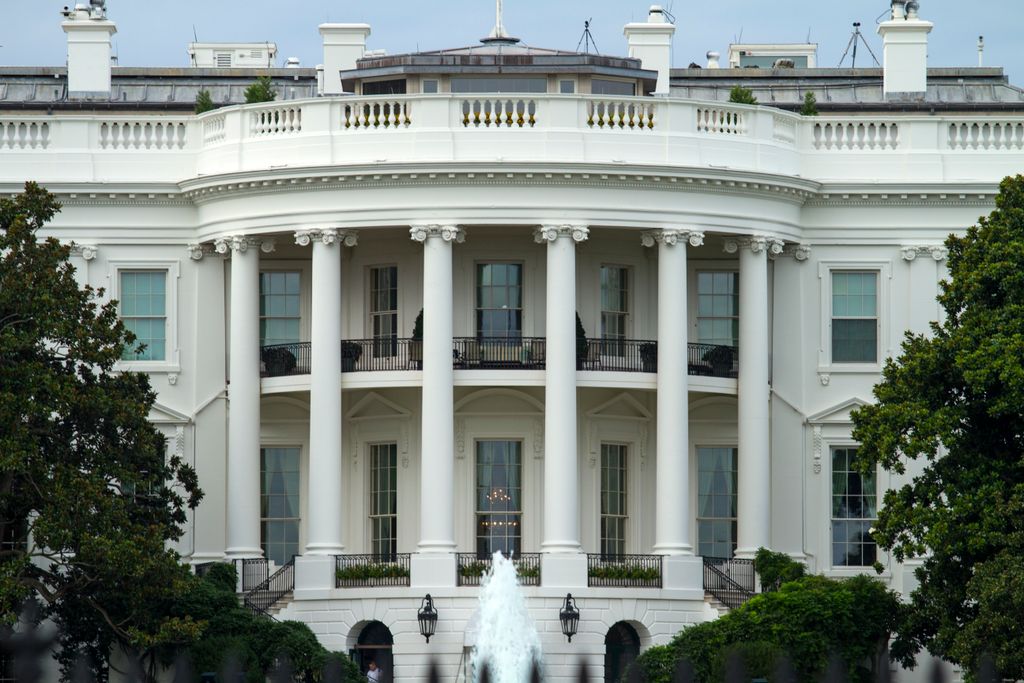
The proposed White House ballroom has been one of the most controversial renovation ideas of Trump’s current presidency. Supporters say the project would address a long-standing problem: the lack of a large enough indoor space for major state dinners, diplomatic gatherings, and official ceremonies.
The White House has historically hosted events in smaller rooms that can limit attendance, forcing officials to rely on temporary structures or alternative locations for large gatherings. Trump has argued that a permanent ballroom would provide a practical solution while adding value to the property.
However, critics have questioned whether the president has the legal authority to move forward with such a significant construction project without additional review. They argue that the White House is not simply a private residence but a nationally protected historic site with strict rules governing changes.
The disagreement eventually reached the courts, where judges were asked to examine the balance between presidential authority and legal protections surrounding federal property.
At the center of the dispute is a larger constitutional question: How much control does a sitting president have over the White House and the surrounding grounds?
Court’s “Tenant” Remark Triggers Trump’s Reaction
The phrase that ignited the latest controversy came from a court decision describing the president’s relationship with the White House as similar to that of a temporary occupant rather than an owner.
The court argued that the White House belongs to the American people, not to any individual president. While presidents live and work there during their terms, they do not have personal ownership rights over the property.
Trump strongly objected to that interpretation.
The president argued that the White House belongs to the presidency and that his administration has the responsibility to maintain and improve the building. He has repeatedly emphasized that his ballroom proposal would enhance the historic property rather than damage it.
The response reflects a broader pattern seen throughout Trump’s political career: disputes over executive authority often become public battles over the limits of presidential power.
For Trump’s supporters, the ballroom fight represents an attempt by outside groups and legal opponents to restrict a president’s ability to manage the executive branch. Critics, however, see the court challenge as an effort to protect a national landmark from major changes without proper oversight.
The White House Has Always Been More Than a Building
The debate over the ballroom is also tied to the unique role of the White House in American history.
Unlike ordinary government buildings, the White House represents the presidency itself. Every administration leaves behind changes, renovations, and additions, but major modifications have traditionally faced careful review because of the building’s symbolic importance.
Over the decades, presidents have updated the property to meet changing needs. Some improvements have focused on technology and security, while others have addressed practical challenges related to hosting foreign leaders and large events.
The current dispute highlights the tension between preserving history and adapting the White House for modern government demands.
Supporters of Trump’s plan say the building must evolve because presidential responsibilities have grown. They argue that modern diplomacy requires larger spaces for international meetings and official functions.
Opponents counter that historical significance comes with responsibility, and changes to the White House should involve careful consideration beyond the wishes of a single administration.
A Legal Fight With Political Consequences

The ballroom controversy arrives during a period when many of Trump’s actions are being closely examined through legal challenges.
For Trump, the fight represents another example of what he describes as efforts to weaken presidential authority. His allies argue that courts and critics are attempting to limit his ability to carry out his agenda.
For opponents, the case raises concerns about the separation of powers and whether presidents should have broad control over federal properties without additional approval.
The disagreement is unlikely to disappear quickly. Even beyond the specific ballroom proposal, the case touches on a much larger issue that has shaped American politics for generations: how powerful the presidency should be.
The White House has always carried a unique meaning because it represents both the individual occupying the office and the nation as a whole. That dual identity is at the heart of the current dispute.
As the legal process continues, the fight over a ballroom has become something much bigger. It has become a debate over history, authority, and the boundaries of presidential power in modern America.
For Trump, the issue is about improving a building he believes requires modernization. For critics, it is about protecting a national symbol from decisions made without enough oversight.
The outcome could determine more than whether a ballroom is built. It could shape future debates over what presidents can and cannot do inside the most famous government residence in the United States.
If you like what you just read, then subscribe to our newsletter and follow us on social media.