


This article was originally published on Crafting Your Home. A human contributor also wrote and edited the post.
Leaving the White House may look like the beginning of a more relaxed life, but former U.S. presidents do not return to ordinary civilian life in every sense.
After serving as the nation’s highest-ranking official, former presidents lose many of the powers they once held, while federal laws and security rules continue to shape what they can and cannot do.
The moment a president leaves office, the authority that comes with the presidency immediately transfers to the next leader.
A former president can no longer sign executive orders, command the military, issue federal pardons, appoint government officials, or direct federal agencies. Those powers belong only to the sitting president.
However, life after the presidency is not simply about losing power. Former presidents often enter a new chapter filled with public speaking, charitable work, writing, business activities, and historical projects.
Former leaders have taken very different paths after leaving office, from humanitarian work to media production and personal interests.
Still, there are surprising restrictions that continue long after their final day in office.
Former Presidents Cannot Issue Executive Orders or Make Federal Decisions
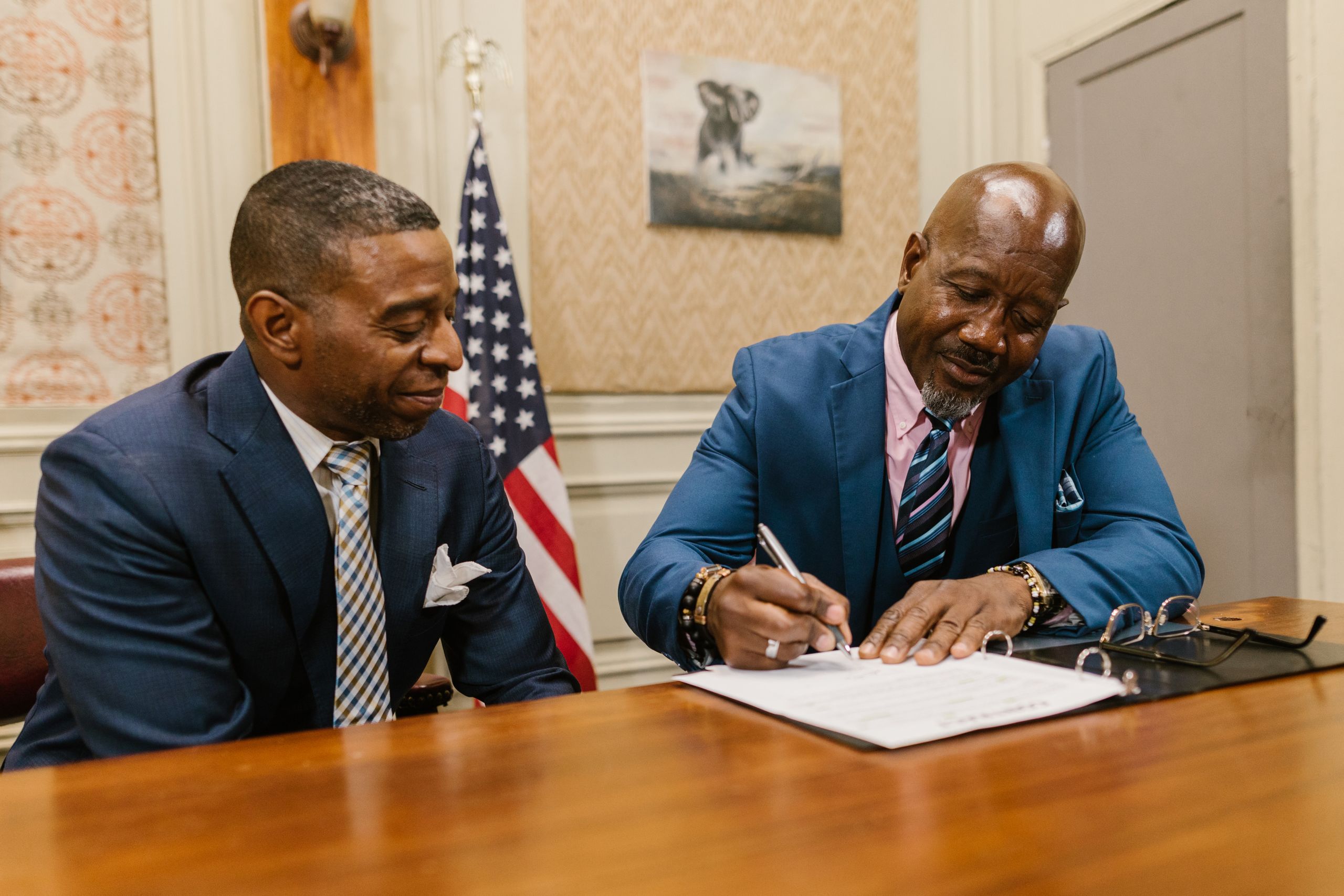
One of the biggest changes after leaving office is the complete loss of presidential authority. While serving as president, a person can issue executive orders that direct federal agencies and influence government operations. They can sign laws passed by Congress, appoint officials, and make decisions that affect the entire country.
Once they leave office, those powers disappear immediately. A former president may still influence public conversations, advise political allies, or express opinions about national issues, but those statements carry no official authority.
They cannot order government agencies to take action, remove federal officials, or create policies.
The transition from president to private citizen means that the former leader no longer sits inside the government’s chain of command.
They Cannot Grant Pardons or Reduce Criminal Sentences
The presidential pardon power belongs only to the current president. While in office, presidents have the constitutional authority to pardon people convicted of federal crimes or reduce certain federal sentences. After leaving office, that authority disappears.
A former president may publicly support someone seeking clemency or argue that a person deserves another chance, but they cannot legally change a federal conviction or sentence. The power does not follow the person after they leave the White House. It remains attached only to the active presidency.
Former Presidents Cannot Command the U.S. Military
A former commander in chief no longer has control over America’s armed forces.
During a presidency, the president serves as commander in chief of the military. This role gives the president authority over military operations and national defense decisions.
After leaving office, that responsibility immediately belongs to the new president. A former president cannot order troops into action, direct military operations, or issue commands to military leaders.
Even if a former president has decades of political or military knowledge, they become a private citizen without official authority over the armed forces.
They Cannot Keep Unlimited Access to Classified Information
Former presidents often have deep knowledge of national security matters, but access to classified information is not automatically guaranteed forever.
While in office, presidents have access to classified information because of their constitutional role. After leaving office, that authority changes.
Historically, former presidents have often continued receiving intelligence briefings as a courtesy, but continued access depends on the sitting administration and current policies. Former presidents do not maintain presidential authority simply because they once held the office.
This issue has become more debated in recent years as questions about classified information handling and presidential records have received increased public attention.
They Cannot Take Presidential Records Home as Personal Property
A former president cannot simply walk away with White House documents, files, and materials as personal belongings.
Presidential records are governed by federal law through the Presidential Records Act. Official documents created during a presidency belong to the government rather than the individual who served as president.
These records can include:
- Official communications
- Policy documents
- National security materials
- Historical records related to presidential decisions
Certain records may remain restricted for a period of time, especially those involving classified information or sensitive government matters.
The goal is to preserve presidential history while protecting national security.
They Cannot Serve as President More Than the Constitution Allows
The presidency has limits even for people who have already held the office. The 22nd Amendment limits presidents to being elected to the presidency no more than twice.
This rule changed American political history by preventing unlimited presidential terms. A former president who has already reached the constitutional limit cannot simply return to the ballot repeatedly for additional elected terms. The restriction exists to prevent any individual from holding presidential power indefinitely.
They Cannot Receive the Same Government Treatment They Had as President
Leaving office means losing many of the privileges that come with being the sitting president.
While former presidents continue receiving certain benefits, they no longer have access to the full presidential staff, government aircraft, and operational resources available during their time in office.
The Former Presidents Act provides benefits such as office support and other assistance, but these services are designed for former presidents as private citizens rather than active leaders.
The transition reflects the difference between respecting former leaders and maintaining the authority of the current administration.
They Cannot Escape Legal Responsibility Simply Because They Were President
Leaving office does not place someone above all laws. A former president remains subject to legal obligations like any other citizen, although issues involving former presidents can involve complicated constitutional and legal questions.
The presidency provides significant responsibilities and protections while in office, but leaving office changes that relationship with the law.
Former presidents may still face investigations, lawsuits, or legal disputes depending on circumstances. Holding the nation’s highest office does not permanently remove someone from accountability.
They Cannot Automatically Return to Any Political Position They Want
A former president can remain politically influential, but influence is different from holding official power.
Former presidents often continue shaping public debates, supporting causes, endorsing candidates, or working through foundations.
Some have remained deeply involved in politics after leaving office, while others have stepped away entirely. There is no single path after the presidency.
However, they cannot simply resume presidential powers or create an unofficial government role for themselves. Their influence may remain significant, but their authority does not.
Life After the White House Is a Different Kind of Power
The presidency is one of the most powerful positions in the world, but that power ends the moment another person takes the oath of office.
Former presidents enter a unique position. They lose the legal authority they once held, but they often keep something else: public recognition, historical importance, and the ability to influence conversations.
Some former presidents focus on humanitarian efforts, others write books, create foundations, pursue personal interests, or continue public service in different ways.
The restrictions placed on former presidents exist for an important reason. They protect the separation between past and present leadership while ensuring that the authority of the presidency belongs only to the person currently elected to serve.
The title “former president” carries enormous prestige, but it does not carry the same power as sitting in the Oval Office. Once the presidency ends, the person may keep the legacy, but the authority belongs to someone else.
If you like what you just read, then subscribe to our newsletter and follow us on social media.


