



A severe storm, power outage, flood, wildfire, or other emergency can temporarily make grocery shopping difficult or leave a household without refrigeration or cooking facilities. Having a supply of foods that can stay safely at room temperature gives a household another option when the usual routine is disrupted.
The U.S. Department of Agriculture recommends keeping a supply of nonperishable food at home, along with a three-day supply of commercially bottled water per person, with a minimum of three gallons per person.
Canned Fruits and Vegetables
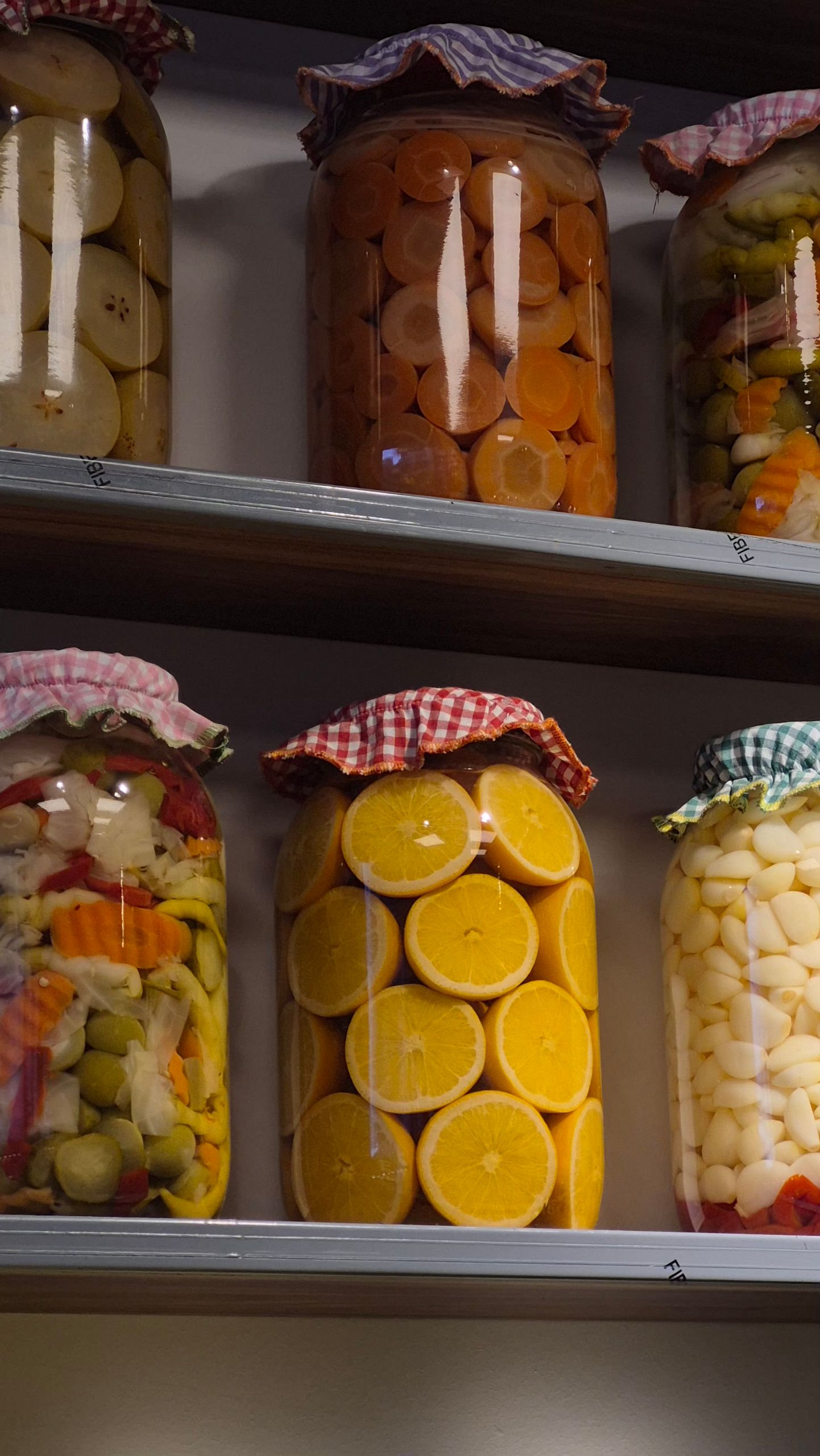
Canned green beans, corn, peas, tomatoes, peaches, pears, and mixed fruit can be stored without refrigeration while unopened. USDA lists canned fruits and vegetables among its recommended emergency food choices.
Canned Meat and Fish
Tuna, canned chicken, canned fish, and other commercially packaged shelf-stable meats can be kept in a pantry until needed. USDA specifically recommends shelf-stable cans of meat, poultry, and fish for emergency supplies.
Peanut Butter and Other Nut Butters
You can eat it with crackers or bread, add it to other foods, or use it as a quick pantry option when cooking isn’t convenient.
Rice, Pasta, and Other Dry Staples
Rice, pasta, dry beans, cereal, and similar products can be stored at room temperature when properly packaged. USDA recommends storing dry goods in a cool, clean, dry place and protecting them from moisture and pests.
One important consideration: dry foods generally require water and cooking. That makes them useful when the household still has access to safe water and a way to prepare food.
Crackers, Granola Bars, and Cereal
Crackers, granola bars, breakfast cereal, and similar packaged foods can be stored in the pantry and eaten without extensive preparation. USDA specifically lists small packages of cereal, granola bars, and crackers among its emergency food suggestions.
Dried Fruit and Nuts
Raisins, dried apricots, dried cranberries, and other dried fruits can replace fresh produce when refrigeration isn’t available. Nuts and packaged nut mixes also store well as pantry foods.
Shelf-Stable Milk and Dry Milk
Shelf-stable milk and nonfat dry milk can provide alternatives for households that use milk regularly. USDA includes nonfat dry milk among its recommended emergency foods.
Canned or Packaged Soups
You can store shelf-stable canned soups and similar packaged meals in the pantry. If selecting them for an emergency supply, consider whether they require additional ingredients, water, or cooking.
Juice and Other Shelf-Stable Drinks
Water should be the priority when preparing an emergency supply, but shelf-stable juice can also provide another beverage option.
USDA includes small boxes of juice drinks among suggested emergency foods.
Foods for Babies, Pets, and Special Dietary Needs
USDA specifically recommends remembering infant formula, pet food, and foods required for family members with special dietary needs when building an emergency food supply.
Don’t Forget the Can Opener
USDA recommends keeping a manually operated can opener with emergency food supplies.
Store What You Actually Eat
USDA recommends periodically using and refreshing emergency food supplies.
Build the Pantry Before You Need It
Canned vegetables, fruit, fish, and meat; peanut butter; crackers; cereal; dried fruit; dry staples; shelf-stable milk; and other familiar foods can form the foundation of a practical household supply.
The key is variety and preparation. Keep some foods that require cooking and others you can eat immediately. Remember water, include everyone’s specific needs, and rotate supplies periodically.
Other Posts You Might Like
- 7 Food Basics Everyone Should Know
- 8 Natural Food Ingredients That Make Everything Taste Better
- 7 Foods That Support the Body During Chemotherapy
If you like what you just read, then subscribe to our newsletter and follow us on social media.


