

This article was originally published on Crafting Your Home. A human contributor also wrote and edited the post.
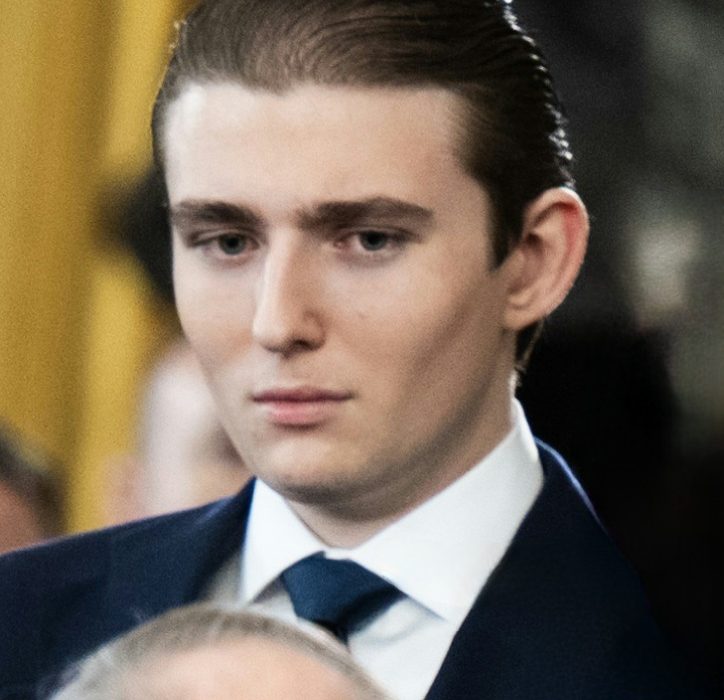
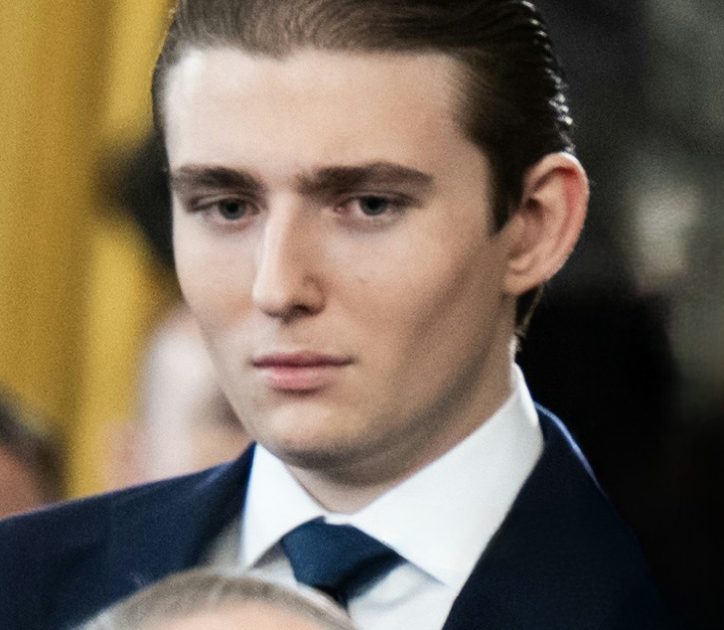
Washington, D.C. A new political controversy is unfolding after Rep. Yassamin Ansari called for congressional investigators to examine whether Barron Trump had any knowledge of or communications related to Andrew and Tristan Tate, the controversial influencers now facing criminal proceedings overseas. The request has intensified a broader debate over political influence, celebrity networks, and how far congressional investigations should reach when examining allegations involving high-profile figures.
Ansari, a Democratic lawmaker from Arizona, urged the House Oversight Committee to investigate what she described as possible connections between the Tate brothers and individuals close to President Donald Trump. In a letter to committee leadership, she requested that investigators consider questioning Barron Trump under oath regarding whether he had any knowledge of the allegations against the brothers, whether he communicated with administration officials, or whether he had any involvement in discussions surrounding their legal cases.
The request does not accuse Barron Trump of wrongdoing.
Instead, it centers on whether he may have information relevant to a wider congressional inquiry into the handling of the Tate brothers’ legal situation.
The controversy highlights a difficult question facing lawmakers:
When political figures, online personalities, and family members of powerful officials overlap, where should investigators draw the line between legitimate oversight and personal intrusion?
A congressional inquiry proposal brings Barron Trump into a larger political fight
The controversy began after Ansari raised concerns about the relationship between the Tate brothers and people connected to the Trump political circle.
In her letter, she asked the House Oversight Committee to examine communications involving government agencies, including records related to the Department of Justice, State Department, and White House, as part of a broader review of the administration’s handling of matters involving Andrew and Tristan Tate.
Among the requested steps was a potential subpoena and questioning of Barron Trump about whether he had:
- Knowledge of the allegations against the Tate brothers
- Any communications with administration officials
- Any involvement in discussions about their legal proceedings
The request has quickly become one of the most politically sensitive elements of the proposed investigation because Barron Trump is a private citizen and the president’s youngest son.
The Tate brothers’ legal battles create political scrutiny
The inquiry comes after Andrew and Tristan Tate became the subject of renewed international attention following their arrest in Miami on a United Kingdom extradition request.
The brothers face allegations involving serious criminal offenses, including rape and sex trafficking-related charges. They have denied wrongdoing and have argued that the accusations are politically motivated.
The legal proceedings have drawn additional attention because of the brothers’ public statements about their relationships with political figures and their online influence.
Their supporters argue they are being unfairly targeted.
Critics argue that their online presence and connections with influential figures require closer scrutiny.
Why Barron Trump’s name entered the discussion
Barron Trump’s name became part of the conversation because of claims that Andrew Tate had previously discussed connections with members of the Trump family and political circles.
However, no public evidence has established that Barron Trump participated in any wrongdoing or played a role in the Tate brothers’ legal matters.
The proposed congressional inquiry focuses on whether he may have information relevant to investigators.
That distinction is important.
Being mentioned in a request for information does not mean someone is accused of criminal conduct.
The debate over congressional investigations and personal privacy
The proposal has raised questions about the limits of congressional oversight.
Congressional committees have broad authority to investigate government operations, possible misconduct, and issues involving public interest.
However, investigations involving private citizens connected to political figures often create additional controversy.
Supporters of the inquiry argue that relationships between influential individuals and government officials should be examined if they could affect public decisions.
Critics argue that bringing family members into political investigations risks turning oversight into a partisan weapon.
The debate reflects a long-standing tension in Washington:
How can lawmakers demand accountability while protecting individuals who are not government officials?
The Trump administration and Tate controversy
The controversy surrounding the Tate brothers has expanded beyond their criminal cases because of questions about political connections.
Reports have examined the brothers’ public support for Trump and their interactions with people connected to conservative politics.
The White House has said President Trump would not intervene in the extradition process involving the brothers. Officials have also indicated that government agencies would follow established legal procedures.
Secretary of State Marco Rubio has also stated that the administration has no role in the legal proceedings.
A case involving online influence, politics and legal questions

The Tate controversy sits at the intersection of several major issues:
Social media influence
Andrew Tate built a massive online audience through content focused on masculinity, wealth, and lifestyle.
Criminal justice
The brothers face serious allegations that they deny.
Political connections
Their public statements and interactions with political figures have drawn scrutiny.
Government accountability
Lawmakers are examining whether political influence played any role in government decisions.
This combination has made the case unusually politically charged.
The difference between association and involvement
One of the biggest challenges in politically sensitive investigations is separating association from actual involvement.
Public figures often interact with thousands of people through:
- Social events
- Online platforms
- Political networks
- Business relationships
A connection alone does not prove wrongdoing.
Investigators must determine whether there is evidence of:
- Direct communication
- Decision-making influence
- Improper assistance
- Knowledge of unlawful activity
Those distinctions will likely become central if Congress moves forward with any formal investigation.
What investigators would likely examine

If a congressional inquiry advances, lawmakers could focus on several areas.
Potential areas of review could include:
Communications
Emails, messages, and other records involving officials and relevant individuals.
Government decisions
Whether any agencies changed normal procedures.
Political influence
Whether outside relationships affected official actions.
Timeline of events
When communications occurred compared with legal developments.
The purpose would be determining whether government processes were followed properly.
The legal status of the Tate brothers remains separate from political debate
While political arguments continue, the criminal cases involving Andrew and Tristan Tate remain legal matters.
The brothers have denied the allegations against them.
Their defense attorneys have argued that the proceedings are politically motivated, while prosecutors maintain that the cases are based on evidence gathered through investigations.
The courts, not political debates, will determine the outcome of those cases.
Why this controversy is likely to continue
The dispute involving Barron Trump, the Tate brothers, and congressional oversight reflects a broader trend in modern politics.
Personal relationships increasingly become part of public debates.
Social media connections become political questions.
Online influence becomes a subject of government scrutiny.
As political networks expand beyond traditional institutions, lawmakers face new challenges in deciding what deserves investigation and what crosses into personal territory.
A political controversy built around unanswered questions
The request to question Barron Trump under oath has created a new flashpoint in Washington’s ongoing battles over transparency, influence, and accountability.
Supporters of the inquiry argue that lawmakers have a responsibility to investigate possible connections between powerful figures and controversial individuals.
Critics argue that private citizens should not become targets simply because of family relationships.
At this stage, the proposal represents a request for investigation, not a finding of wrongdoing.
The central question remains:
Will congressional investigators uncover evidence of improper influence, or will the controversy remain another chapter in America’s increasingly personal and polarized political battles?
If you like what you just read, then subscribe to our newsletter and follow us on social media


