5 Walking Mistakes Orthopedic Doctors Want You to Avoid
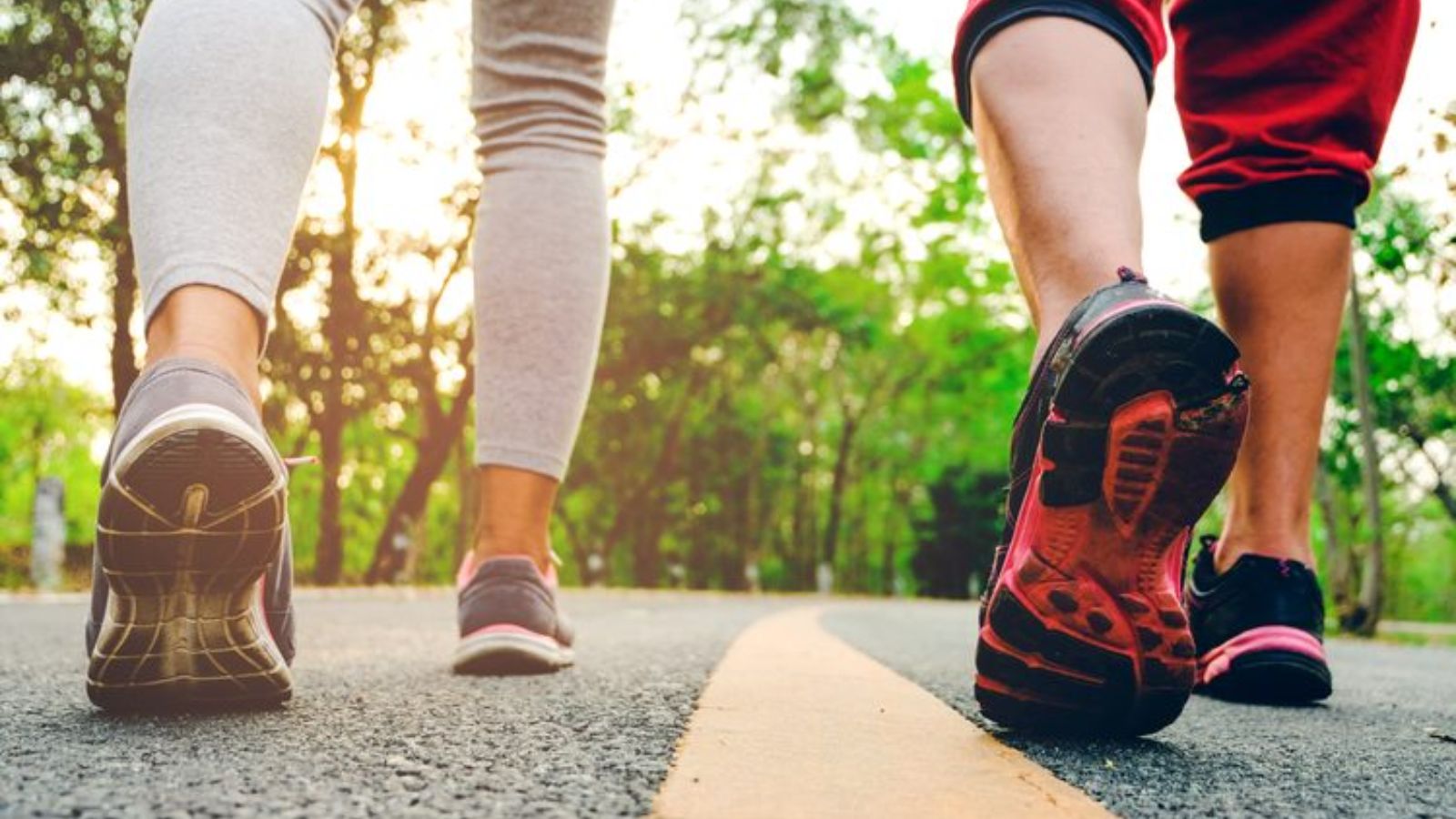
Image Credit: leungchopan via 123RF
Walking is one of the simplest forms of exercise, and yet, it is often taken for granted. Most of us don’t think much about the way we walk, assuming it’s second nature. But if you’ve ever found yourself battling nagging aches and pains after a stroll around the block or an afternoon walk, chances are you’re not walking correctly.
As orthopedic doctors will tell you, the way we walk can significantly impact our long-term health. From back pain to knee discomfort, certain habits can create bigger problems down the road If you’re taking a casual walk through the park or embarking on a power walk for fitness, making sure you’re walking correctly is crucial to preventing injuries and joint strain.
Let’s take a closer look at some common walking mistakes and how you can correct them to ensure that every step you take is a healthy one.
Wearing the Wrong Shoes

It all starts with your shoes. A lot of us are guilty of wearing stylish but not necessarily supportive shoes, and that’s where the problems begin. Orthopedic doctors note that improper footwear can lead to a range of issues, including foot pain, ankle instability, and even knee and hip problems.
Dr. Jared T. Lee, an orthopedic surgeon, recommends opting for shoes with high-quality cushioning and a rubber sole for stability. This is especially important for those who walk long distances or spend a lot of time on their feet. It’s also essential to replace your shoes regularly.
Once your shoes show signs of wear—about every 300 miles—they lose their effectiveness in providing support, and that’s when injuries tend to occur. Proper footwear helps prevent overuse injuries, so make sure to invest in a pair that keeps you comfortable and well-supported.
Looking Down While Walking
It’s natural to glance down when walking to avoid tripping, but constantly looking down while you walk can create serious problems. Orthopedic doctors point out that when you bend your head forward and gaze at your feet, you’re placing extra strain on your neck, shoulders, and back. This forward posture can disrupt your spine’s alignment, leading to discomfort and chronic pain over time.
To improve your walking posture, try looking ahead instead of focusing on the ground. This allows your body to maintain a neutral spine and promotes better posture, which reduces the risk of neck and back issues. Not only will this improve your gait, but it’ll also allow for a more natural and fluid walking motion.
Overstriding

You might think that taking longer strides during your walk will make your workout more intense or help you cover more distance in less time. However, this is a common misconception. Overstriding—stepping too far ahead of your body—puts unnecessary strain on your knees and hips.
Dr. Zachary McVicker, an orthopedic surgeon, advises that instead of lengthening your stride, you should focus on taking quicker, more controlled steps. This reduces the stress placed on your joints and allows for a more natural, efficient gait. A balanced, fluid walk is the key to avoiding strain and injury, so remember to keep your strides natural and avoid overextending.
Poor Posture
Walking with poor posture can lead to a variety of issues, from back pain to balance problems. Many of us unknowingly slouch while walking, which can put excess pressure on our feet, knees, and spine. Keeping your shoulders back, your head up, and your core engaged is essential for maintaining a healthy walking posture.
Latoya Julce, co-chair of The Healthy @Reader’s Digest’s Medical Review Board, recommends tightening your lower abs when walking. This helps engage your core and relieves pressure from the lower back. Over time, maintaining good posture can improve your balance, prevent discomfort, and make your walks more enjoyable.
Neglecting Outdoor Walking

While treadmills are great when the weather isn’t ideal, walking outdoors offers a variety of benefits that indoor walking can’t match. Natural surfaces are gentler on your joints, providing less impact than hard, artificial surfaces like pavement. Additionally, walking outdoors helps engage small balancing muscles from your ankles to your core, strengthening your gait over time.
According to Dr. Jared Lee, walking on natural terrain, such as grass or dirt trails, also helps reduce the overall stress on your body. Moreover, spending time outdoors has mental health benefits. Research has shown that being in nature can lower stress levels and improve mood, making outdoor walking not just good for your body but also for your mind.
Key Takeaways
Walking is a wonderful and accessible form of exercise for people of all ages, but, like any activity, it’s important to do it properly. By avoiding common mistakes such as wearing the wrong shoes, overstriding, and slouching, you can ensure your walks are not only enjoyable but also beneficial for your long-term health.
Paying attention to your posture, incorporating stretching into your routine, and strengthening key muscle groups will help you walk with confidence and reduce the risk of injury. Whether you’re walking for fitness or simply enjoying a stroll, remember that the way you walk matters.