5 Vegetables You Should Never Peel for Maximum Health Benefits

Image Credit: antaricode via 123RF
In today’s health-conscious world, we’re constantly seeking new ways to get the most nutrition out of our food. While many of us have been taught to peel vegetables for a cleaner, smoother texture, there’s a hidden treasure beneath the surface – the skins of many vegetables.
These peels contain a wealth of nutrients, antioxidants, and vitamins that are often lost when removed. So, before you grab your peeler next time, consider leaving the skin on these five vegetables to maximize their health benefits.
Why You Should Keep the Skin On
Have you ever wondered why the skin of vegetables is often so tough and fibrous? It’s nature’s way of protecting the nutrients inside, and it turns out, these protective layers are more than just for show. Vegetable skins are packed with fiber, antioxidants, vitamins, and minerals that play a crucial role in supporting your overall health.
By peeling vegetables, you might be discarding some of the most powerful nutrients they have to offer. Let’s dive into the top five vegetables that should always be eaten with their skin on.
Cucumber

Cucumbers are often peeled to achieve a smoother texture, but this practice is depriving you of a number of health benefits. The skin of a cucumber is packed with nutrients, including fiber, vitamins, and minerals that support overall well-being. It’s particularly rich in vitamin K, which plays a crucial role in blood clotting and maintaining healthy bones.
In addition to vitamin K, cucumber skin is high in silica, a mineral that supports the health of your skin, hair, and nails. It also has anti-inflammatory properties, making it a great addition to your diet if you’re looking to reduce inflammation and improve your skin’s appearance. So, the next time you’re slicing cucumbers for a salad or a snack, keep the skin on for maximum benefit.
Key Benefits of Cucumber Skin:
- High in vitamin K, which supports bone health and blood clotting
- Packed with silica, promoting healthy skin, hair, and nails
- Contains anti-inflammatory properties that reduce inflammation in the body.
Eggplant
Eggplant is another vegetable whose skin is often discarded, but this decision could mean missing out on its many health benefits. The skin of an eggplant is rich in nasunin, a powerful antioxidant that helps protect brain cells from oxidative stress. It also contains anthocyanins, which are known to improve heart health and reduce inflammation.
Additionally, the skin is packed with dietary fiber, which aids in digestion and helps you feel full longer. This can be particularly helpful if you’re looking to control your weight or improve your digestive health. So, whether you’re grilling, roasting, or sautéing eggplant, be sure to leave the skin on for a nutrient-packed dish.
Key Benefits of Eggplant Skin:
- Rich in nasunin, an antioxidant that protects brain cells
- Contains anthocyanins, which promote heart health and reduce inflammation
- High in fiber, aiding digestion and promoting satiety
Potato
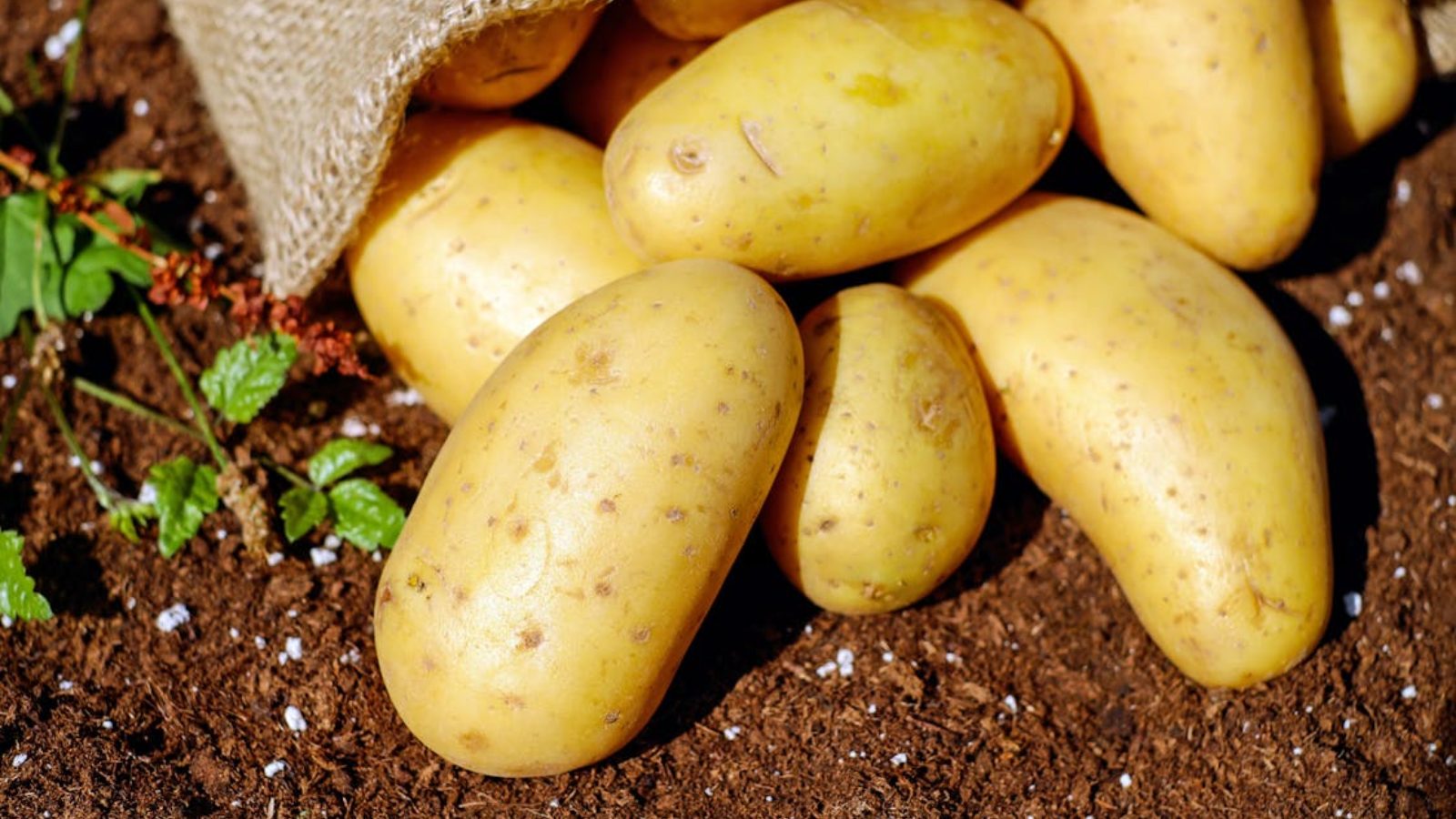
Potatoes are a staple in many households, from mashed potatoes to crispy fries, but how often do you peel them before cooking? It’s time to rethink that habit. The skin of a potato is where most of the fiber and nutrients are concentrated. According to Healthline, the skin contains more potassium than the flesh itself, making it an essential element for heart health and muscle function.
Additionally, the potato skin is packed with iron, a mineral that supports the function of red blood cells.
Not only is the skin rich in nutrients, but it also adds a delicious texture to your potato dishes. So, next time you’re making mashed potatoes or roasting them, be sure to leave the skin on – after all, it’s where all the good stuff is!
Key Benefits of Potato Skin:
- High in fiber, which aids in digestion and keeps you feeling full
- Rich in potassium, supporting heart and muscle health
- Packed with iron, essential for red blood cell function
Carrot
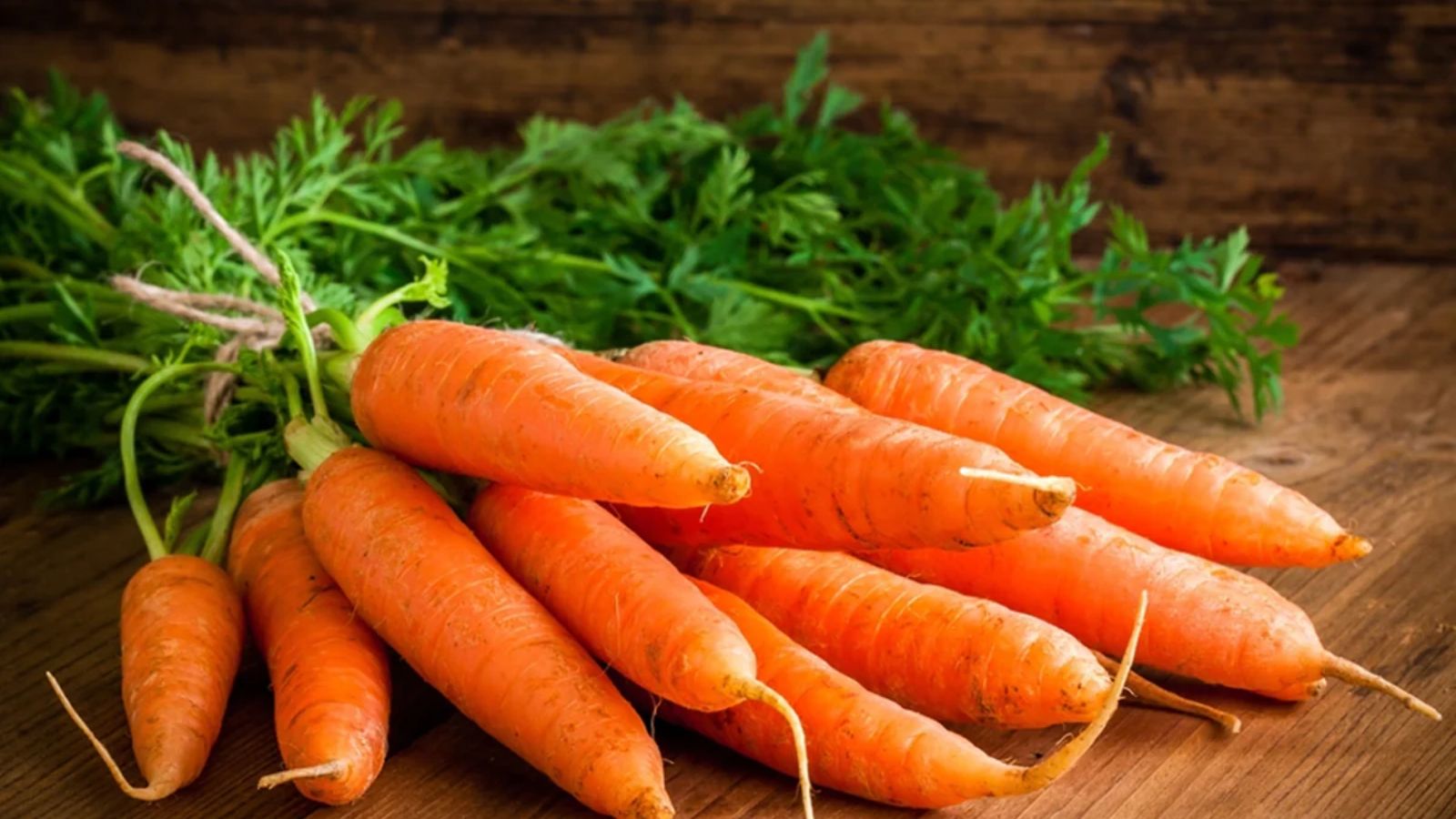
When you think of carrots, you probably envision that crunchy orange interior, but what about the skin? Surprisingly, the skin of a carrot contains a wealth of nutrients that are often overlooked. It’s loaded with antioxidants, vitamin C, and dietary fiber, all of which are crucial for boosting your immune system and maintaining healthy skin.
Plus, the skin also contains B vitamins, which are essential for maintaining energy levels and promoting good digestion. Carrots are known for their positive impact on eyesight, but did you know that the skin plays a significant role in this? The antioxidants found in the skin can help protect your eyes from oxidative damage and promote overall eye health. So, the next time you grab a carrot, skip the peeler and enjoy the full nutritional benefits it has to offer.
Key Benefits of Carrot Skin:
- Rich in antioxidants, vitamin C, and dietary fiber
- Helps promote healthy skin and eyesight
- Full of B vitamins, which are important for digestion and energy levels
Zucchini
Zucchini is another vegetable that should always be eaten with the skin on. The skin of zucchini is packed with dietary fiber, which supports healthy digestion and helps regulate blood sugar levels. Additionally, the skin contains potassium, which is essential for maintaining proper fluid balance in the body and supporting healthy muscle function.
But that’s not all – zucchini skin is also a great source of vitamin C, an antioxidant that boosts your immune system and helps reduce stress. By eating zucchini with the skin on, you’re not only improving your digestion, but you’re also giving your mood a natural lift. So, whether you’re sautéing, grilling, or adding zucchini to your favorite pasta dish, be sure to enjoy it with the skin intact.
Key Takeaways
Vegetables are a powerhouse of nutrients, and by leaving their skins intact, you can unlock even more health benefits. The skin of potatoes, carrots, cucumbers, eggplants, and zucchinis is where much of their fiber, antioxidants, vitamins, and minerals are stored. By skipping the peeler and enjoying these vegetables with their skins on, you’re giving your body the full range of nutrients it needs to thrive.
So, the next time you’re preparing these vegetables, think twice before peeling them. Not only will you enhance the nutritional value of your meals, but you’ll also be contributing to your overall health and well-being. In the end, embracing the skins of these vegetables is a simple yet powerful way to improve your diet and reap the full benefits of the foods you eat.