8 Unique Traits of People Who Consistently Double-Check Locked Doors

Some individuals can’t shake the feeling that they might have left the front door unlocked. Whether at home or traveling, the need to double-check their door locks is almost automatic. Interestingly, this seemingly trivial behavior reveals a range of fascinating psychological traits. People who consistently double-check their door locks often have personality characteristics that set them apart from others.
These traits may not be apparent to everyone, but they speak volumes about how they approach life and handle stress. Here are the unique traits of individuals who always ensure their door is securely locked before resting at night.
They Struggle with Trust
Trust is a significant factor for people who habitually check their locks. They often find it difficult to trust others, and this extends beyond people to systems, processes, and even their own memory.
When they can’t fully trust a system or individual, they feel the need to double-check everything to ensure it aligns with their expectations. Whether it’s a new alarm system, a person’s promise, or the lock on their door, they prefer to verify the facts themselves. This need for proof stems from their cautious approach to life.
They Tend to Be Catastrophizers
While not necessarily a sign of an anxiety disorder, people who double-check their door locks may have a tendency to imagine the worst-case scenario. This is commonly known as catastrophizing, a thinking pattern where an individual always anticipates the worst outcome in any situation.
This can stem from a past experience of trauma or general hyperawareness of potential risks. Individuals who double-check their doors might frequently worry about safety threats, leading them to become hypervigilant. This behavior is deeply rooted in their need to control what is possible in an unpredictable world.
They Are Highly Conscientious
Conscientious individuals are meticulous, methodical, and precise. When they double-check their door locks, it’s more than just a habit; it’s part of a broader pattern of conscientiousness. These individuals take great care in managing their environment, ensuring everything is in order. This drive for precision is often reflected in their daily lives, whether at work or in their personal routines.
For these individuals, safety is a priority, and they do not leave things to chance. They also tend to be punctual and organized, as attention to detail is a hallmark of their personality.
They Are Overthinkers
Overthinking is another common trait of people who habitually double-check their door locks. These individuals tend to replay events in their heads, analyzing every potential mistake or oversight. This constant thinking, often triggered by anxiety, compels them to verify things repeatedly.
The fear of having overlooked something, such as whether the door is securely locked, can push them to check and recheck until they feel a sense of resolution. While overthinking can be draining, for these individuals, it provides a sense of control and reassurance.
They Are Detail-Oriented
People who consistently double-check their door locks are often very detail-oriented. They tend to focus on small but important aspects of their environment. Their ability to notice and remember details is not limited to their personal space but extends to their interactions with others and their work habits as well.
This personality trait makes them more inclined to double-check things they may feel could be overlooked, such as whether the door has been properly secured. Their approach to life is thorough, and they value consistency.
They Are Ultra-Protective of Their Well-Being
Those who double-check their doors are often fiercely protective of their well-being. This extends beyond physical safety and into emotional and psychological domains. These individuals are likely to establish healthy boundaries in relationships and make decisions with a focus on self-care.
They prioritize their mental and emotional health by creating routines and environments that feel safe. This protective instinct drives them to take extra precautions in every aspect of their lives, ensuring their safety is never compromised.
They Don’t Enjoy Being Alone
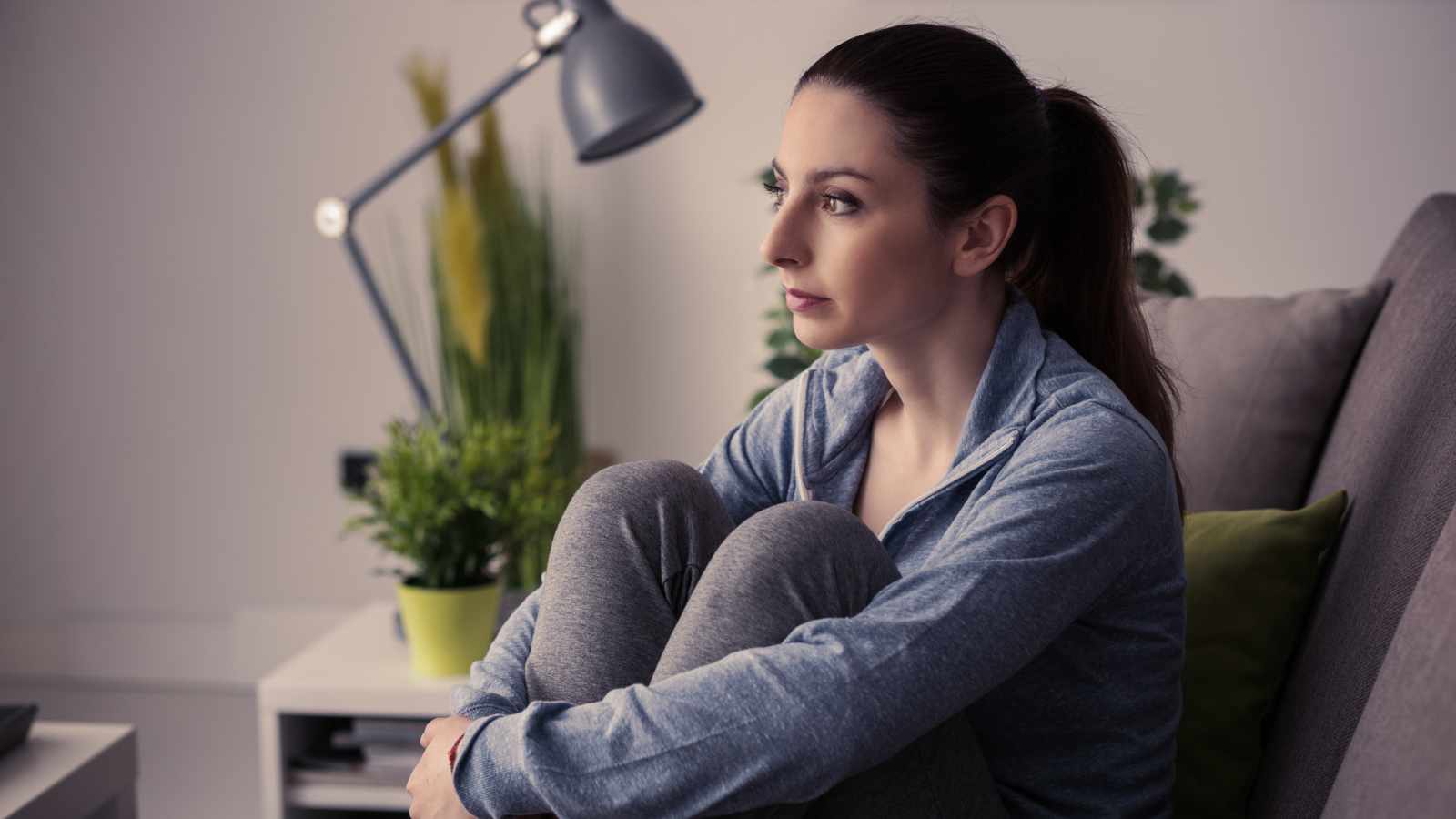
Individuals who regularly check their door locks may experience heightened discomfort when alone. While they might enjoy solitude at times, their hyper-awareness of potential risks can become more pronounced when they are by themselves.
The fear of being unprotected or vulnerable can drive them to be extra cautious about their surroundings. This heightened vigilance is often more pronounced when they feel alone, especially at night, when darkness and isolation can amplify feelings of insecurity.
They Are Intuitive
Intuitive people are guided by their gut feelings, often sensing when something is off before it becomes apparent to others. For those who double-check their door locks, intuition plays a significant role. If they have a nagging feeling that they may have forgotten to lock the door, they will not dismiss it. They trust their inner voice and act on it, even if the likelihood of danger is low.
This intuitive behavior isn’t just about safety; it is about responding to inner signals that urge them to take action.
Key Takeaways

The behavior of double-checking door locks may seem insignificant at first glance, but it offers deeper insight into an individual’s psychological makeup. Recognizing these patterns can lead to greater empathy and understanding of those who engage in such routines.
By understanding the psychological underpinnings of this behavior, we can appreciate the nuanced ways in which people prioritize their safety, well-being, and peace of mind.
Read the original article on Crafting Your Home