Uncovering the Strange Wonders of the Ocean: 10 Incredible Discoveries
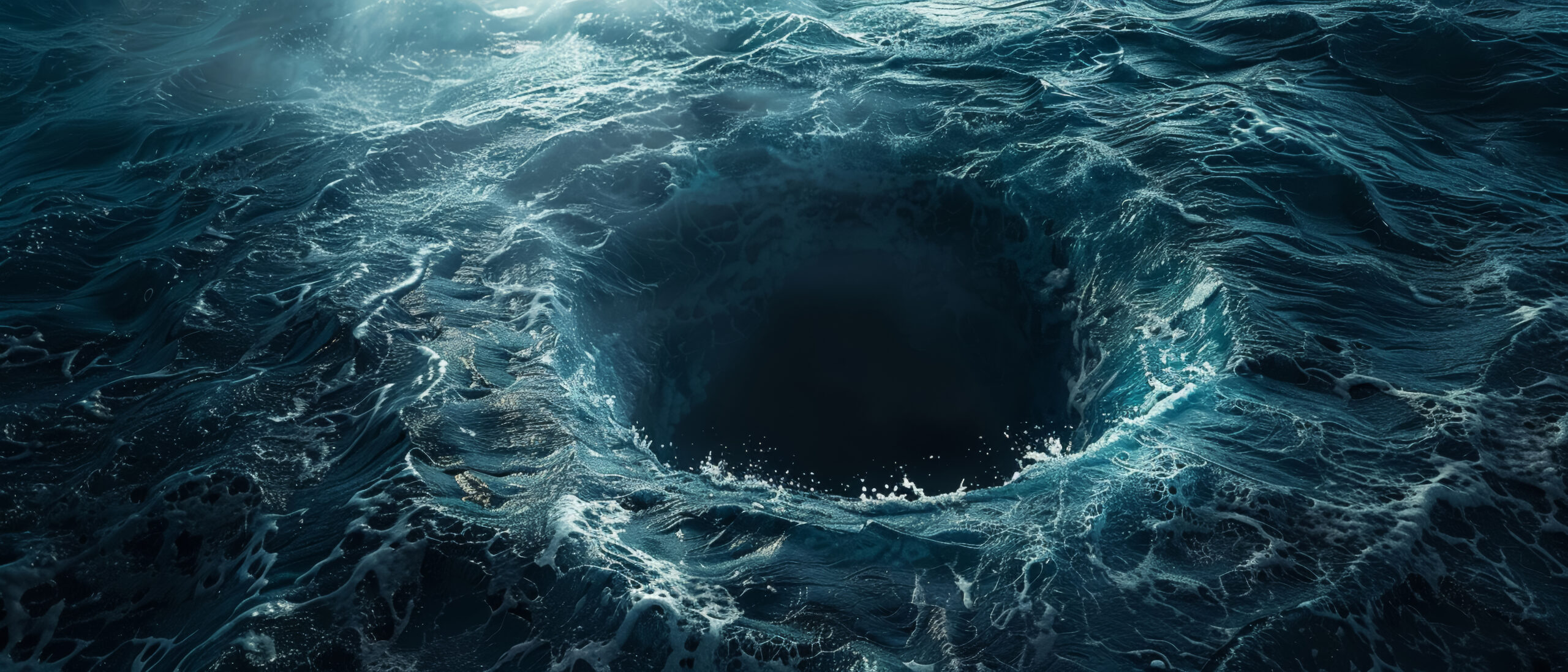
The ocean, with its vast and uncharted depths, has long been a source of intrigue and mystery.
Beneath the waves lies a world full of strange creatures, natural phenomena, and landscapes that defy the imagination. From bizarre animal behavior to geological wonders, the ocean continues to reveal its secrets.
Here, we explore 10 rare and incredible discoveries that prove the ocean is indeed a weird place.
The Mysterious Sounds of the Gulf Corvina Fish

While fish are often thought of as silent creatures, the Gulf corvina, a large fish found in the Colorado River Delta, shatters that assumption.
During their spawning season, corvinas come together in massive shoals, and the males create an incredibly loud sound to attract females. These croaking sounds, which can reach up to 150 decibels, are among the loudest underwater noises ever recorded.
This phenomenon was captured during a 2014 study, revealing how these fish can produce noise that rivals the sounds of underwater explosions.
The Blob- A Phenomenon That Shapes Weather Patterns
“The Blob” is an unusual patch of hot water found in the Northeast Pacific. This warming phenomenon has had a dramatic effect on weather patterns, including causing droughts in California and record temperatures in Seattle.
First identified in 2013, The Blob returned in 2018, influencing the weather across the region. Its unpredictable nature makes it difficult to predict, and while it’s a natural occurrence, it serves as a reminder of how powerful and mysterious oceanic phenomena can be.
The Rectangular Iceberg- A Geometric Wonder
Icebergs are usually known for their rugged, jagged shapes, but in 2018, a truly unusual iceberg was spotted: a perfectly rectangular iceberg. Known as a “tabular iceberg,” this formation is common when pieces break off ice shelves.
Most of the iceberg remains submerged, creating a stunning, geometrically perfect structure. This particular iceberg, found in the Antarctic, measured over 1 mile in length and captivated both scientists and the public with its perfectly flat surface.
The World’s Largest Octopus Nursery
Octopuses are known for their solitary nature, but in 2018, scientists discovered a massive congregation of octopuses in the waters off the coast of California.
The nursery, located at a depth of 3.2 kilometers (2 miles), was home to over 1,000 female octopuses guarding their eggs.
The sight was unprecedented, and researchers were baffled by the shimmering water surrounding the creatures.
Theories suggest that the heat from nearby volcanic activity might be creating the glowing environment, offering the perfect conditions for incubating their eggs.
Canyon That Absorbs CO2- A Natural Carbon Sink
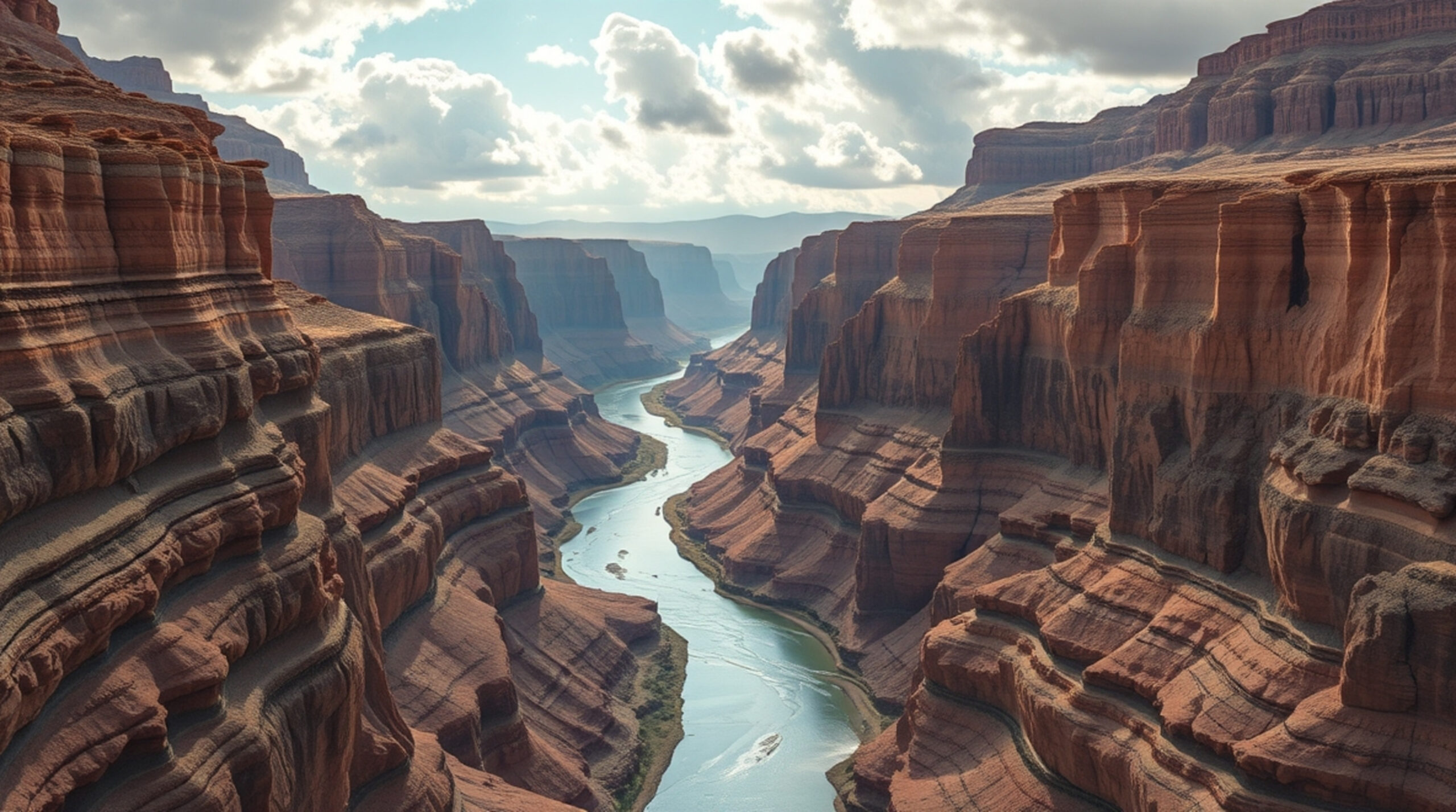
In 2018, researchers discovered an astonishing natural phenomenon in the Porcupine Bank Canyon, located off the coast of Ireland.
This underwater canyon functions as a natural carbon sink, absorbing carbon dioxide from the atmosphere. Corals in the area feed on plankton, which absorbs CO2 when alive. When the plankton dies and sinks, it carries the CO2 with it.
The corals then consume this plankton, effectively locking the carbon in the canyon. While this process cannot reverse climate change, it highlights the ocean’s capacity to mitigate the effects of greenhouse gases.
The Garden of Glass- A Gothic Underwater Wonderland
In 2015, scientists discovered an extraordinary volcanic site at the bottom of the Mariana Trench.
This deep-sea submersible journeyed to a depth of 4,500 meters (14,700 feet), where it encountered a mesmerizing “garden of glass.” The glassy tendrils were formed when lava from an underwater volcano rapidly cooled in the cold ocean water.
This eerie and beautiful sight stretched across 7.3 kilometers (4.5 miles), and its pristine condition allowed scientists to study the effects of volcanic eruptions on ocean chemistry in ways never before possible.
White Shark Café- A Mystery in the Pacific Ocean
Every year, great white sharks from the northeastern Pacific make a curious journey to a remote area halfway between California and Hawaii, known as the “White Shark Café.”
This region, though lacking prey, draws the sharks every winter and spring. In 2018, researchers used satellite tags to track the sharks, only to discover a surprising array of marine life, including fish, squid, and plankton, thriving in the desolate waters.
The sharks’ unusual behavior during this time remains a mystery, as they dive deep during the day and return to shallower waters at night, with males showing heightened activity in the spring.
Methane Craters- Explosive Underwater Landscapes
In the waters between Norway’s Svalbard archipelago and the mainland, scientists discovered a vast array of methane craters on the seafloor.
These craters, created by the explosive release of methane gas trapped beneath ice sheets during the last ice age, are a stark reminder of the ocean’s volatile past.
Some craters span over 1,000 meters (3,280 feet) in diameter, and new findings have revealed that the number of craters is much larger than previously thought.
These explosive events, triggered by ice thawing, create massive holes in the ocean floor that could lead to further environmental disruptions.
The Lost Volcanic World- A Hidden Underwater Realm
Near the coast of Australia, scientists discovered a previously unknown volcanic landscape beneath the ocean. This “lost world” consists of massive volcanic peaks, some rising to 3 kilometers (1.9 miles) above sea level.
The discovery was part of a study on the nutrient levels in the East Australian Current, but the vast underwater mountain range took researchers by surprise.
These volcanoes are thought to have played a significant role in the separation of Australia and Antarctica millions of years ago. This hidden geological wonder is still being studied, offering new insights into Earth’s ancient past and its volcanic activity.
Brewing Eruption Beneath Japan- A Supervolcano’s Silent Threat
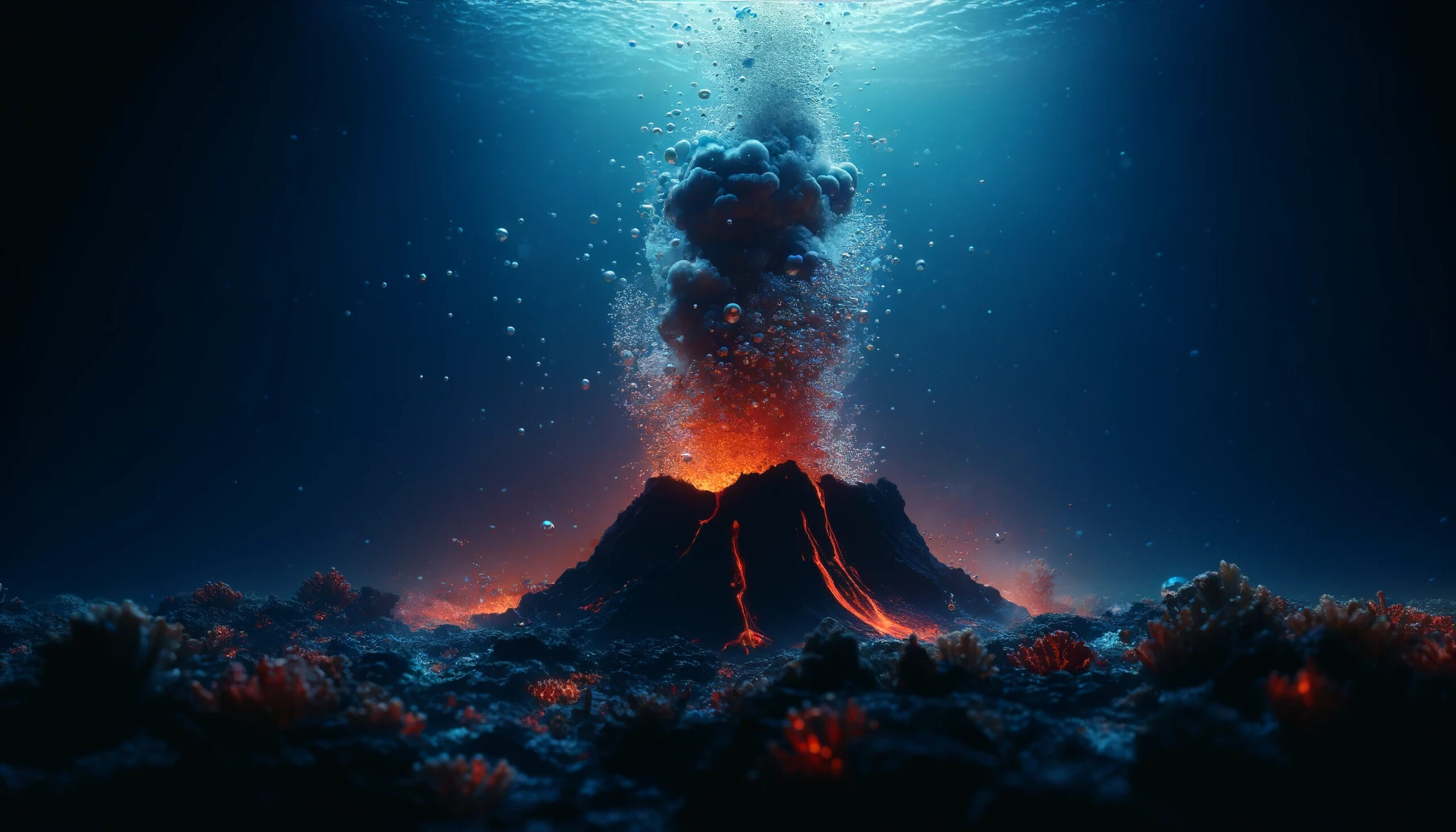
Underneath Japan, the Kikai Caldera sits quietly, waiting for its next eruption. This ancient underwater volcano is notorious for its history of super-eruptions, the most recent occurring 7,000 years ago.
In 2018, scientists discovered a massive new lava dome beneath the caldera, containing over 32 cubic kilometers (8 mi³) of magma.
This new formation, chemically distinct from previous eruptions, suggests that the volcano is preparing for another catastrophic eruption.
With the potential to impact over 100 million people, the Kikai Caldera remains a looming threat beneath the waves.
Conclusion
The ocean is a realm of untold mysteries, from the smallest fish to the largest underwater volcanoes.
These rare finds demonstrate the ocean’s ability to surprise and challenge our understanding of the world.
As technology advances and our exploration of the deep sea expands, we can only expect more strange and fascinating discoveries that will continue to redefine our perception of this mysterious and ever-changing environment.
Read the Original Article on Crafting Your Home