7 U.S Presidents with Children Who Caused Scandals

From the very beginning, the children of U.S. presidents have lived in the crosshairs of public attention, sometimes becoming lightning rods for controversy. Because the First Family symbolizes national values, any misstep by their offspring doesn’t just reflect on them; it can reshape historical perceptions of a presidency. Scandals involving presidential children reveal not just personal drama, but power, privilege, and the fragility of legacy.
This increase in exposure explains why even personal missteps by presidential children can become national stories, affecting public perception of a presidency.
Thomas Jefferson – The Jefferson–Hemings Paternity Controversy
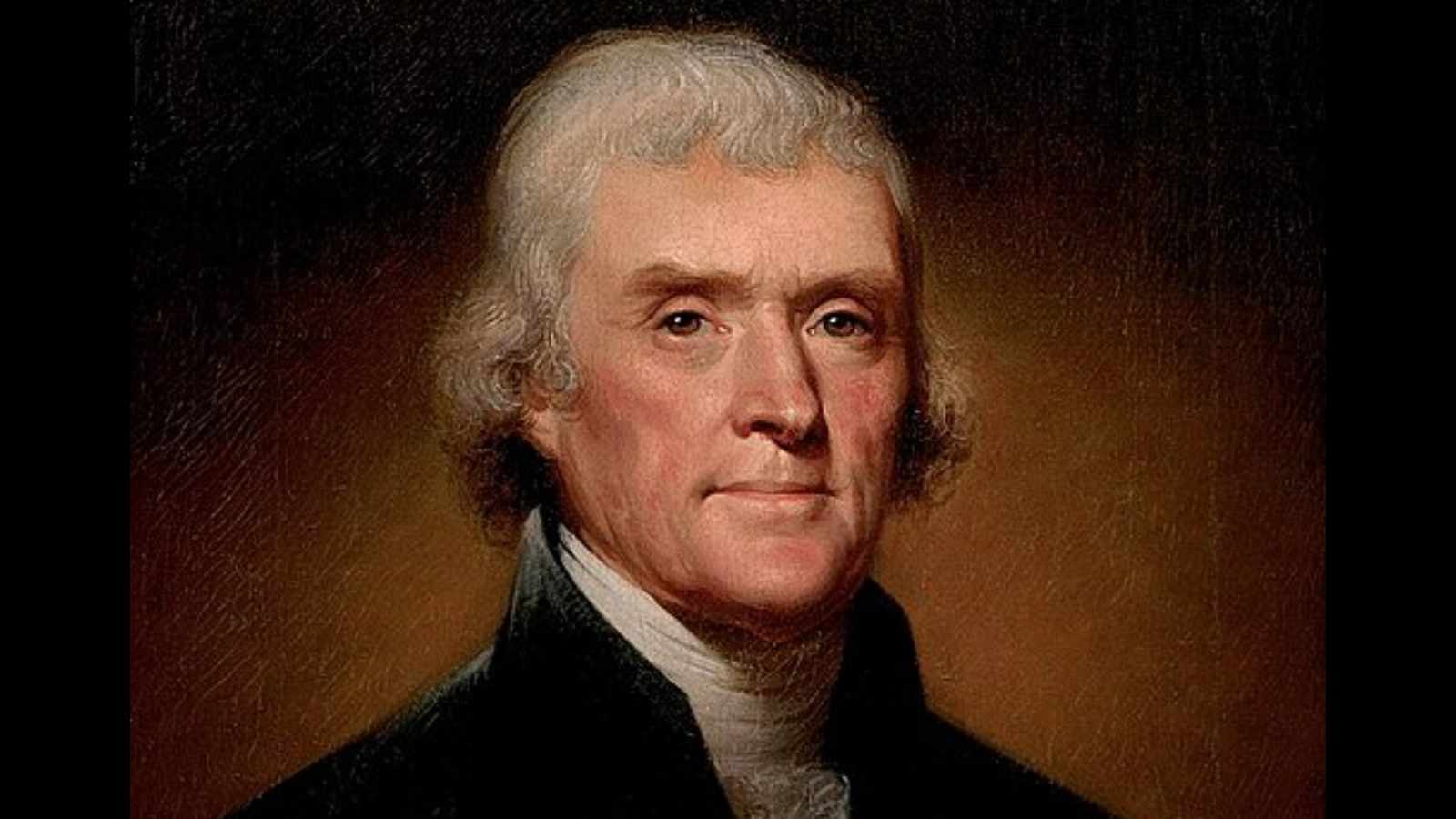
The allegation that Thomas Jefferson fathered children with Sally Hemings gained new weight after a landmark DNA analysis published in Nature in 1998. The study found a genetic match between Hemings’s male-line descendants and the Jefferson male line.
Abraham Lincoln – Robert Todd Lincoln and the “Curse of Tragedy”
Robert Todd Lincoln, though never involved in wrongdoing, became the center of public speculation because he was present or nearby during three presidential assassinations:
- Abraham Lincoln (1865)
- James Garfield (1881)
- William McKinley (1901)
Ulysses S. Grant – Grant Jr. and the Grant & Ward Collapse
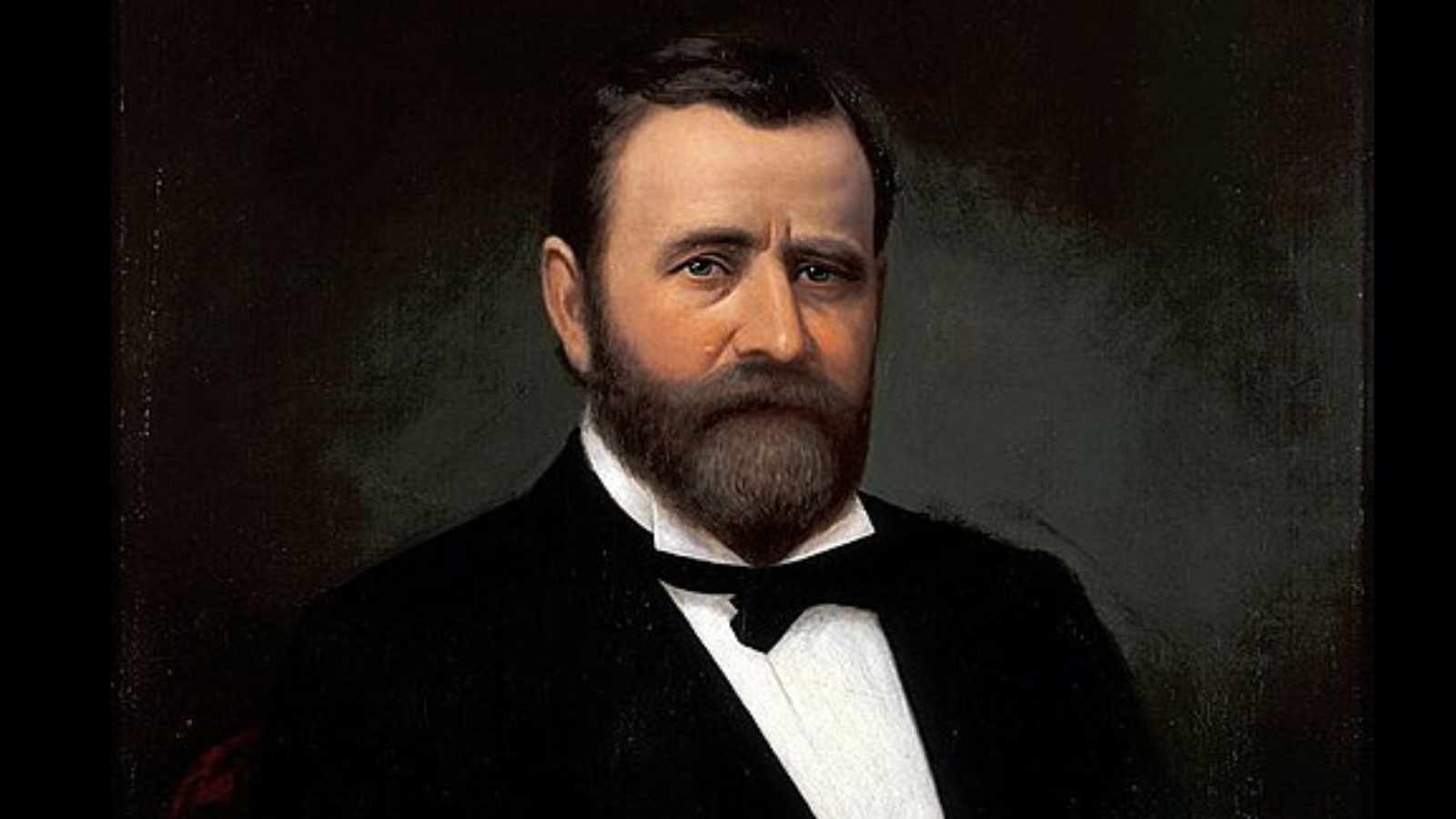
Ulysses “Buck” Grant Jr.’s partnership in the firm Grant & Ward ended in one of the most devastating 19th-century financial scandals. The Smithsonian reports that Ferdinand Ward operated a Ponzi-style scheme, using new investor funds to fabricate profit statements.
Theodore Roosevelt – Alice Roosevelt’s Public Rebellion
Alice Roosevelt, one of the first major political celebrities in U.S. history, became a media sensation for behavior considered shocking at the time. She smoked publicly, raced cars, carried a pet snake, and regularly defied social expectations.
According to The Harvard Gazette, she was a “rule-breaking national phenomenon”, illustrating how a presidential child’s public image can influence the political climate.
Warren G. Harding – A Scandal Proven by DNA a Century Later
The long-rumored affair between President Warren G. Harding and Nan Britton was confirmed in 2015 through modern DNA testing by AncestryDNA. Results showed that Elizabeth Ann Harding was Harding’s biological daughter.
Coverage from the New York Times and Washington Post verified the genetic evidence used to settle the historical question. This case remains one of the few presidential scandals proven through DNA analysis.
Ronald Reagan – Public and Ideological Rebellion From His Children
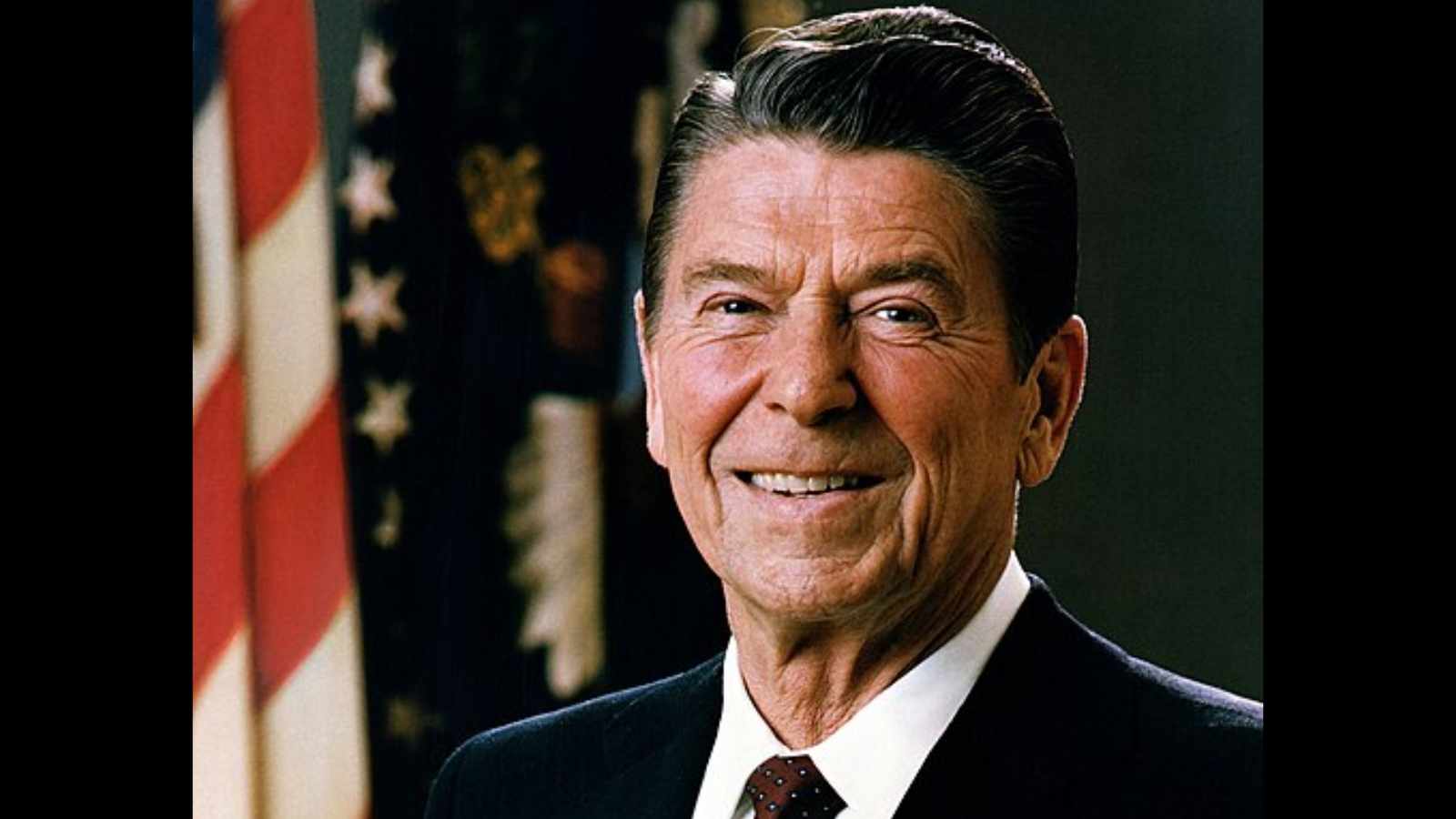
Ronald Reagan’s children caused controversy not through crime but through public defiance of the administration’s values. Patti Davis drew national attention for posing for Playboy in 1994, with coverage from outlets such as Deseret News.
Ron Reagan Jr. publicly criticized conservative policies and advocated positions opposed to his father’s. Their public stances complicated the Reagan family image and sparked national debate.
Donald Trump – High-Profile Civil and Financial Allegations Involving His Children
The Trump Organization case is one of the most consequential legal actions involving presidential children. In 2022, the New York Attorney General filed a civil lawsuit alleging over 200 fraudulent or misleading asset valuations, implicating Donald Trump Jr., Ivanka Trump, and Eric Trump. The allegations are documented in official filings from the New York State Office of the Attorney General.
In 2024, a New York judge ordered the Trumps to pay more than $350 million in penalties, one of the most significant financial judgments involving the family of a current or former president.
This case underscores how modern presidential families remain under unprecedented legal and financial scrutiny.
Key Takeaways
From genetic revelations to financial fraud and highly public rebellions, the children of U.S. presidents have often become central figures in national controversies.
These cases reveal how private behavior within presidential families can become public history, shaped by media attention, evolving cultural norms, and the enduring curiosity of the American public.
Read the original article on Crafting Your Home