5 U.S. Neighborhoods Locals Warn Visitors to Avoid Completely
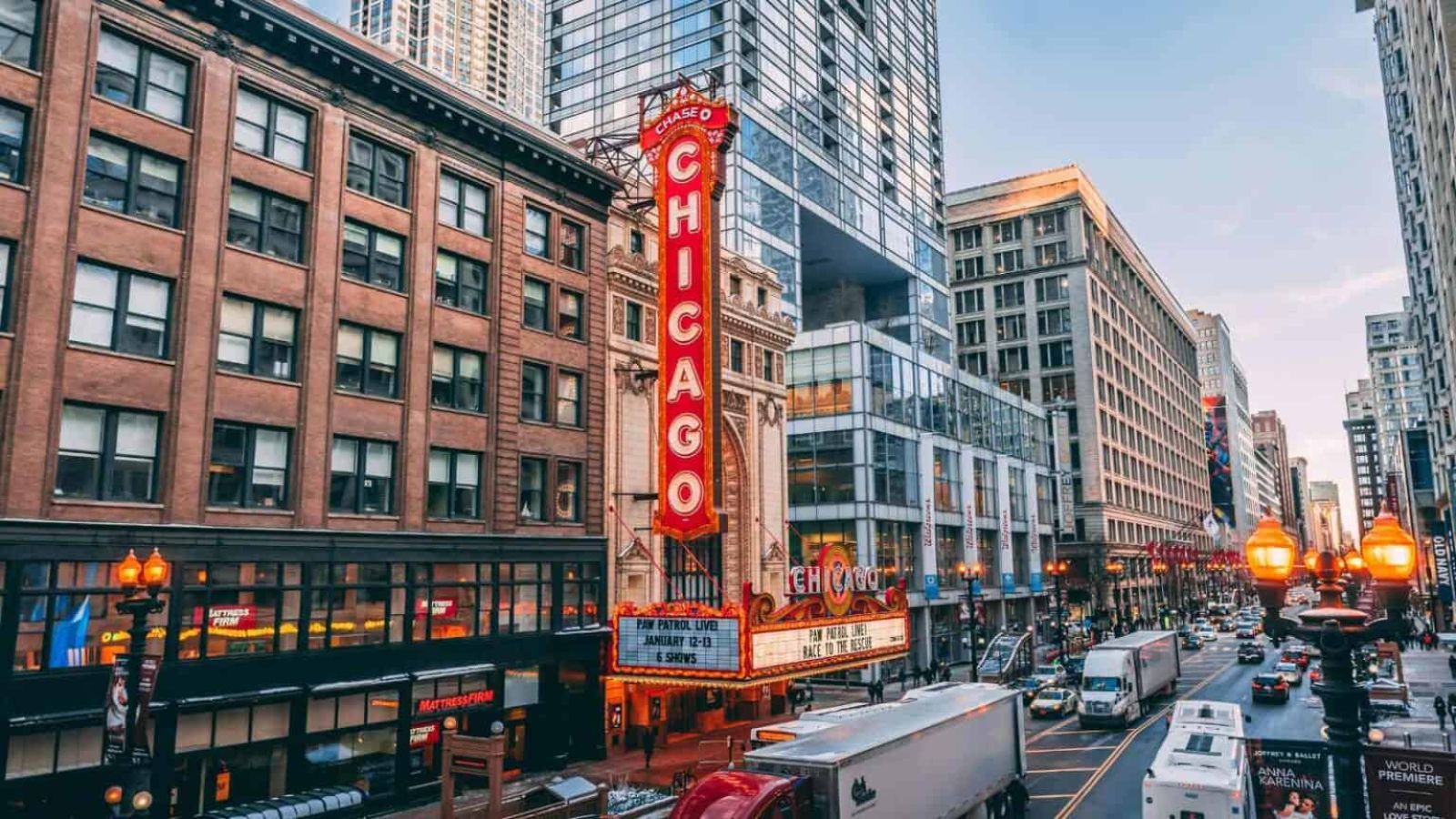
Image Credit: Kristina Paukshtite via Pexels
In travel discussions across forums like Reddit, TripAdvisor, and local city subreddits, residents of major U.S. cities consistently flag specific neighborhoods that tourists should avoid.
Unlike general “high crime” statistics, these warnings often focus on areas where visible street conditions—such as open-air drug markets, unpredictable behavior, or aggressive scams—create a distinct “no-go” environment for visitors who may lack the street smarts to navigate them.
San Francisco’s Tenderloin District

San Francisco is known for its iconic landmarks and rich cultural heritage, but it also has areas that are less inviting to tourists. The Tenderloin District is one such place, known for its high rates of petty theft, visible drug use, and homelessness. According to local crime reports, the Tenderloin averages 10 petty thefts per day, a concerning statistic for any traveler.
While the neighborhood is just a few blocks from popular tourist spots like Union Square, it stands out for persistent crime and instability. Though San Francisco is a generally safe city, the Tenderloin remains a hotspot for theft, open-air drug markets, and other criminal activities. Tourists unfamiliar with the area are often caught off guard by the sudden shift from polished streets to areas with higher crime rates.
To stay safe in San Francisco, it’s best to avoid the Tenderloin, especially after dark, and focus on neighborhoods such as Fisherman’s Wharf, Golden Gate Park, and the Mission District, where the atmosphere is friendlier and far less risky.
Englewood & North Lawndale
Englewood and North Lawndale in Chicago are also notorious for their high crime rates. These neighborhoods suffer from similar issues, including gang violence, robberies, and shootings, all of which happen more frequently than in other parts of the city. Crime rates here exceed the citywide average by more than 100%, making these areas among the most dangerous in Chicago.
The combination of poverty, economic hardship, and a lack of strong public services creates a volatile environment where violence is an unfortunate norm. Visitors unfamiliar with the area could easily find themselves in dangerous situations if they stray too far from the main tourist hubs.
For tourists in Chicago, it’s best to prioritize popular, safer districts like Lincoln Park, the Magnificent Mile, or the Museum Campus, where crowds are dense and local law enforcement presence is stronger. These areas are far more welcoming and provide the rich cultural experience Chicago is known for, without exposing you to unnecessary risks.
Memphis’ Frayser and Orange Mound
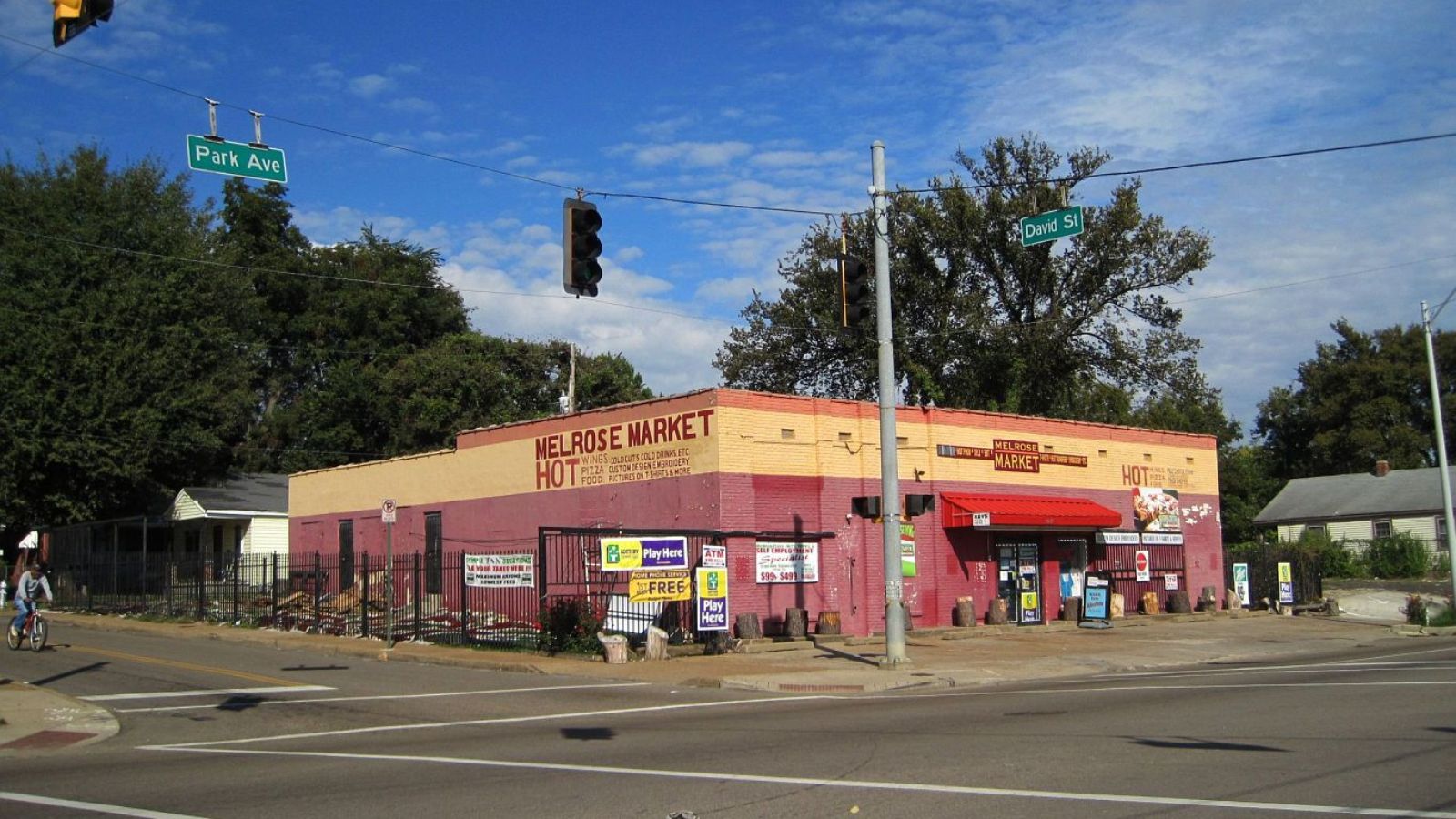
Memphis, Tennessee, a city famous for its music scene and cultural landmarks, is also home to neighborhoods like Frayser and Orange Mound, which continue to face high crime rates. Memphis consistently ranks as one of the cities with the highest violent crime rates in the U.S., and both Frayser and Orange Mound are notorious for their involvement in gang violence, robberies, and other violent crimes.
In 2024, the violent crime rate in Memphis was recorded at 2,349 incidents per 100,000 residents—well above the national average of 380 per 100,000. Despite Memphis’ many attractions, such as Beale Street and Graceland, neighborhoods like Frayser and Orange Mound are best avoided, especially by tourists unfamiliar with the area. Although Memphis has made efforts to reduce crime in recent years, these neighborhoods remain hotbeds for street crime and violence.
For those who wish to explore Memphis, it’s safer to stay closer to the city’s well-known attractions. The areas around Beale Street, Graceland, and Midtown offer much safer environments, allowing visitors to enjoy the city’s history, music, and culture without unnecessary danger.
Chicago’s West Garfield Park

One of the most frequently flagged neighborhoods by locals in Chicago is West Garfield Park, a district known for its high crime rates and dangerous street conditions. Despite improvements in other areas of the city, this neighborhood remains one of the most violent, with a violent crime rate of 46 per 1,000 residents, far above the citywide average of 24 per 1,000. Locals consistently report random assaults, robberies, and gang violence, making it particularly unsafe for those unfamiliar with the area.
The neighborhood suffers from inadequate public services, poor street lighting, and limited community resources, all of which contribute to persistent crime problems. West Garfield Park’s reputation for danger isn’t just based on statistics; it’s the kind of place where even a daytime stroll can quickly turn unsafe for unprepared visitors.
For those planning a visit to Chicago, it’s best to avoid West Garfield Park entirely. Instead, stick to well-known tourist areas like Millennium Park, Navy Pier, and the Loop, where the surroundings are safer and offer much more in terms of sightseeing opportunities. While Chicago is an exciting city with much to offer, visitors should remain vigilant and plan their routes carefully to avoid high-risk areas.
Detroit
Detroit has undergone significant revitalization in recent years, particularly in downtown. However, many of the city’s neighborhoods outside of the downtown core continue to struggle with crime, poverty, and a lack of resources. These neighborhoods, while not always immediately dangerous in appearance, are known for gang activity, drug-related offenses, and street violence, particularly after dark.
Though downtown Detroit is experiencing a renaissance, with areas like Greektown and the Detroit Riverwalk attracting large numbers of visitors, the city’s outlying neighborhoods still face significant challenges. For tourists, staying within the safer, more populated districts like Midtown or downtown is highly recommended. If you wish to explore outside these areas, it’s best to do so with a local guide or in daylight hours when safety is more assured.
Baltimore’s West Baltimore & Greenmount East
Baltimore, Maryland, is a city full of history and charm, but certain neighborhoods remain entrenched in crime and instability. West Baltimore and Greenmount East are two neighborhoods where crime rates far exceed the national average. Residents report frequent incidents of gang violence, robberies, and drug-related offenses, and these areas are generally considered unsafe for tourists.
The crime rates in these neighborhoods are often three times the national average, making them a place where vigilance is necessary. For those unfamiliar with Baltimore, a simple walk through these neighborhoods could quickly lead to dangerous encounters.
If you’re planning a trip to Baltimore, it’s best to stick to areas like Fells Point, the Inner Harbor, or the National Aquarium, where the atmosphere is much more welcoming and safer for tourists. These neighborhoods offer the charm and history of Baltimore without the inherent risks found in other parts of the city.
Conclusion
While the United States offers a wealth of exciting places to visit, not all neighborhoods are equally safe for tourists. Understanding which areas to avoid based on real crime data and local advice can help ensure that your trip remains enjoyable and stress-free.
By staying in safer, well-populated areas and avoiding neighborhoods with high crime rates, you can experience the best of what each city has to offer without compromising your safety. Remember, awareness is key—by making informed choices, you can travel confidently and safely, ensuring that your U.S. vacation is both memorable and secure.