

This article was originally published on Crafting Your Home. A human contributor also wrote and edited the post.
The Department of Homeland Security is promising a major change inside Immigration and Customs Enforcement operations after two fatal shootings exposed a troubling reality: some of the most serious encounters involving federal agents happened without body camera footage.
DHS says every ICE arrest team will now include at least one officer wearing a body camera, a move officials say will improve transparency and accountability. But critics argue the policy does not go far enough because one camera on a team of multiple officers may still leave critical moments undocumented.
The announcement comes after two separate vehicle stop shootings in Texas and Maine left two men dead and sparked renewed debate over how immigration enforcement operations are carried out, how officers make split-second decisions, and whether the public can trust investigations without complete video evidence.
For families demanding answers, the promise of future cameras does little to explain what happened in the moments before the shootings. The debate now centers on whether ICE is fixing a serious accountability problem or simply responding after the damage has already been done.
Two Deadly Encounters Put ICE Under Pressure
The push for more body cameras intensified after the deaths of Lorenzo Salgado Araujo in Houston and Johan Sebastián Durán Guerrero in Maine, two cases that raised questions about vehicle stops, officer decision-making, and the absence of recorded footage.
On July 7, 2026, ICE officers attempted to stop a vehicle in Houston during an immigration enforcement operation. The encounter ended with the death of 52-year-old Lorenzo Salgado Araujo, a construction worker who officials said was not the original target of the operation.
Federal officials said Salgado Araujo used his vehicle in a way that officers considered dangerous. However, his family and representatives disputed that explanation, arguing that the circumstances surrounding the shooting were unclear. Without body camera footage from ICE officers involved, investigators and the public were left relying on other forms of evidence, including witness statements, surveillance footage, and official accounts.
The lack of direct video became a central issue because modern law enforcement investigations increasingly depend on recordings to determine what happened during tense encounters. When footage does not exist, disagreements over events can quickly become battles between competing versions of the truth. Just days later, another deadly confrontation placed ICE operations under greater scrutiny.
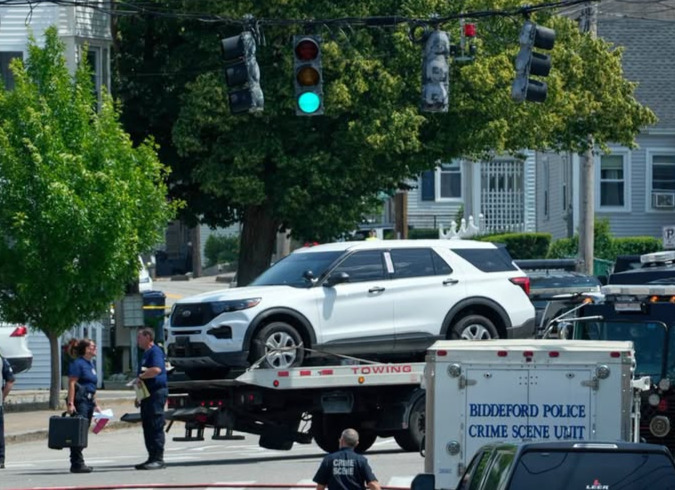
On July 13, 2026, ICE officers shot and killed Johan Sebastián Durán Guerrero during a vehicle stop in Biddeford, Maine. DHS said officers believed he attempted to flee and that the situation created a public safety concern. Officials later acknowledged that Durán Guerrero was not the person agents were originally seeking.
Again, the officers involved were not wearing body cameras, creating another situation where investigators had to reconstruct events without a complete video record. The two cases created a difficult question for DHS: why were officers involved in high-risk encounters operating without the technology that could protect both agents and civilians?
Body cameras cannot prevent every tragedy. They cannot replace training, judgment, or careful decision-making. But they can provide an independent record that helps investigators determine whether actions were justified and whether procedures were followed.
DHS Announces a Camera Plan, but Critics Say It Has Major Weaknesses
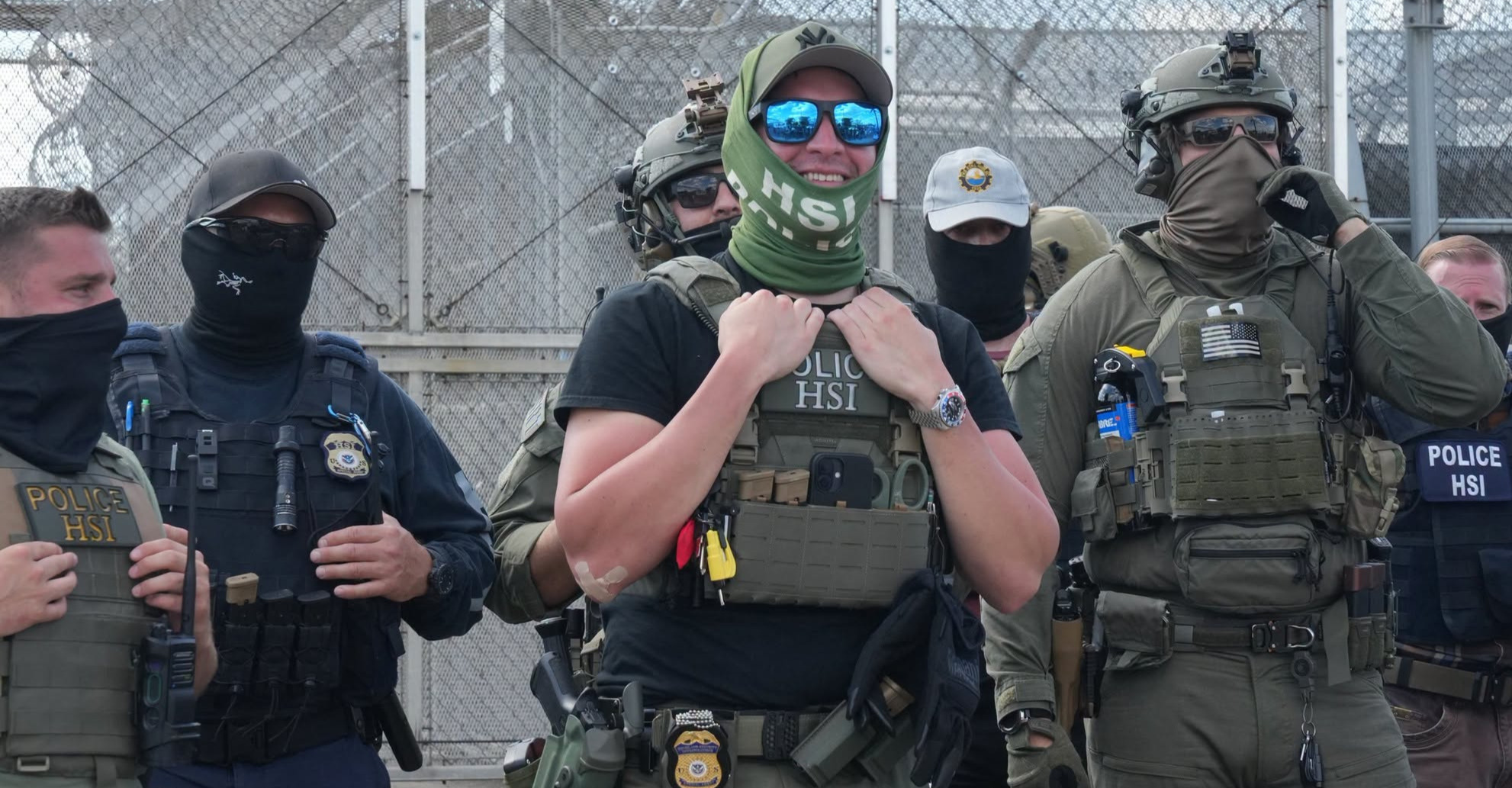
Following the shootings, DHS announced that every ICE arrest team would have at least one body camera equipped officer. The department said the rollout of cameras had already reached more than half of ICE field offices and that the remaining locations would receive equipment soon. Officials have argued that the policy represents progress toward greater transparency.
However, critics say the wording of the announcement reveals a major limitation. The requirement does not mean every ICE officer involved in an arrest will wear a camera. Instead, it requires at least one person on the team to have recording equipment. That difference matters.
An ICE enforcement operation may involve several agents approaching a home, stopping a vehicle, or attempting an arrest. The officer wearing the camera may not always be closest to the individual involved in the confrontation. If another officer makes contact, uses force, or gives commands outside the camera’s view, the most important moments may still go undocumented.
Supporters of stronger requirements argue that all officers involved in enforcement actions should have cameras, especially during situations where arrests can quickly become dangerous. Another concern is whether officers will consistently activate cameras at the right time. Body camera programs across law enforcement agencies have faced similar challenges.
A camera is only useful when it is turned on, positioned correctly, and operating during the key moments of an encounter. ICE will need clear rules explaining when cameras must be activated, how footage will be stored, who can review recordings, and what happens if an officer fails to follow the policy. Accountability also depends on what happens after footage is collected.
If recordings are delayed, restricted, or difficult for the public to access, critics argue the cameras may provide only limited transparency. The technology itself is not the solution. The policies surrounding it determine whether it builds trust.
Congress has already approved funding for ICE body cameras, including millions of dollars dedicated to purchasing and deploying equipment. The remaining challenge is turning that funding into a system that works consistently across the country.
The Camera Debate Reveals a Bigger Crisis of Trust
The controversy surrounding ICE body cameras is about more than technology. At its core, it is about public confidence in government power. Immigration enforcement operations often involve people facing life-changing consequences. Officers may make decisions within seconds that affect families, communities, and individual lives.
Because of those stakes, many Americans want stronger safeguards that ensure enforcement actions are conducted fairly and responsibly. For law enforcement agencies, body cameras can protect against false accusations and provide evidence when officers act appropriately. For communities, they can provide reassurance that officials are being held accountable.
But trust is difficult to rebuild after serious incidents occur without clear evidence. The families of those killed in the recent shootings are left with questions that may never receive complete answers. Video footage would not automatically settle every disagreement, but it could have provided a clearer picture of what happened.
That is why critics say DHS should view cameras as more than a public relations response. They argue the goal should be to create a system in which transparency is built into every high-risk operation before tragedy happens. The future of ICE’s body camera policy will depend on whether the department treats the change as a temporary reaction or a permanent commitment to accountability.
A single camera on an arrest team may represent progress, but it may not satisfy those demanding full transparency. After two deadly encounters without recordings, many Americans will be watching closely to see whether ICE’s new policy prevents unanswered questions from becoming a repeated pattern. For families seeking answers, the most important footage is always the footage that exists when something goes wrong.
If you like what you just read, then subscribe to our newsletter and follow us on social media.


