

This article was originally published on Crafting Your Home. A human contributor also wrote and edited the post
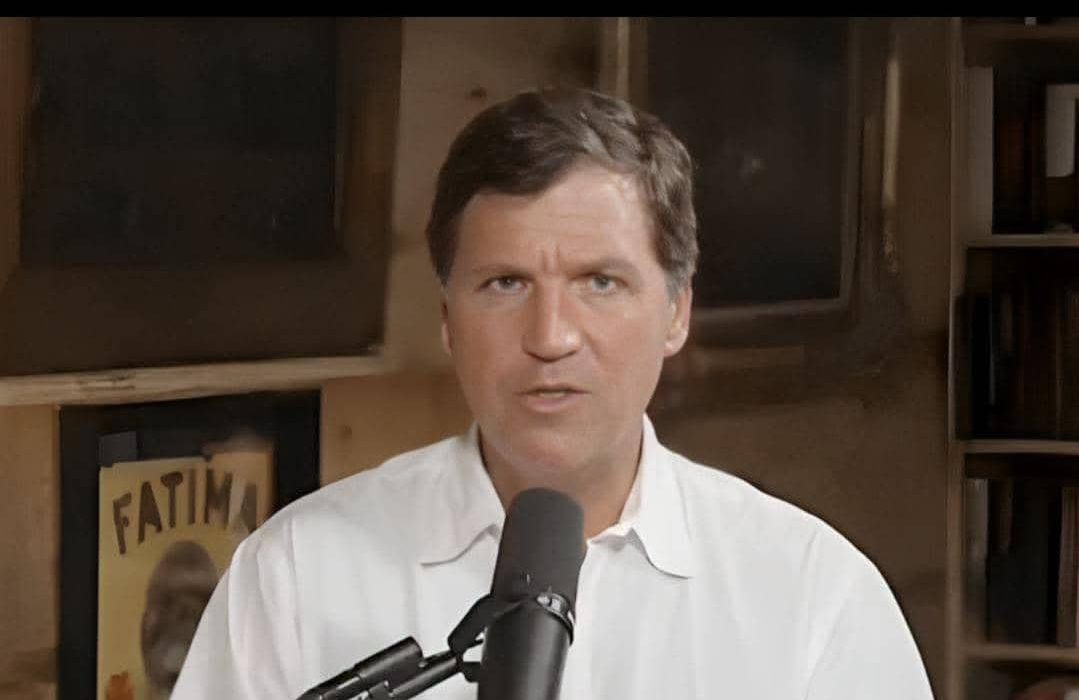
Tucker Carlson says he has been warned that the CIA is preparing a criminal referral against him over conversations he had with Iranian officials before a potential U.S. military conflict with Iran.
The conservative commentator made the claim during a public discussion, saying the alleged referral was connected to his decision to speak with people in Iran before the war. Carlson said:
“The CIA is preparing some kind of criminal referral against me, a crime report to the Department of Justice, on the basis of a supposed crime I committed.”
He continued:
“What’s that crime? Well, talking to people in Iran before the war. They read my texts.”
Carlson did not provide public evidence showing that the CIA had formally prepared a criminal referral, and no official announcement from the CIA or Department of Justice confirming such an action has been made available.
The claim has quickly become part of a broader debate over government surveillance, free speech, foreign contacts, and the role of journalists and political commentators during periods of international tension.
Carlson Says His Iran Conversations Led to Government Scrutiny
Tucker Carlson, a longtime conservative media figure and former Fox News host, has frequently used his platform to criticize U.S. foreign policy and question military intervention abroad.
In recent years, Carlson has conducted interviews with controversial international figures, including Russian President Vladimir Putin, and has argued that direct conversations with foreign leaders or officials can provide
information that Americans would otherwise not hear.
According to Carlson, his conversations with Iranian contacts occurred before a possible conflict involving the United States and Iran.
He argued that speaking with foreign individuals should not be considered criminal activity.
His statement that “they read my texts” raised additional questions about whether he believes government officials
accessed his private communications. However, Carlson did not publicly identify who allegedly read the messages or provide details about how he learned of the supposed surveillance.
The CIA has not publicly confirmed Carlson’s allegations. Under U.S. law, intelligence agencies operate under strict rules regarding surveillance of Americans. The Foreign Intelligence Surveillance Act (FISA) and other legal frameworks establish procedures for monitoring communications involving national security concerns.
However, simply communicating with foreign individuals is not automatically illegal. Americans regularly communicate with people around the world, including journalists, researchers, business leaders, and public figures.
The legal questions generally depend on the circumstances, such as whether someone violated specific laws involving classified information, espionage, sanctions, or other prohibited activities.
The Allegation Fuels a Larger Fight Over Free Speech and Foreign Policy
Carlson’s accusation has attracted attention because it touches on two issues that often create political controversy: government power and freedom of speech.
Supporters of Carlson argue that journalists and commentators should be able to communicate with foreign sources
without fear of government retaliation. They say conversations between Americans and foreign citizens are a normal part of journalism and public debate.
Critics argue that national security concerns can sometimes require government attention, especially when foreign actors attempt to influence American politics or gain access to sensitive information.
The disagreement reflects a long-running debate in Washington over how the government should respond when Americans interact with officials from countries considered adversaries.
Similar arguments have appeared in previous cases involving foreign contacts, including investigations involving alleged foreign influence operations and classified information.
The key question is not whether a person spoke with a foreign individual, but whether any laws were violated during those interactions.
Carlson’s critics have argued that his claim requires evidence before conclusions can be drawn. Supporters have called for transparency and questioned whether government agencies are improperly targeting political opponents.

No Public Confirmation from CIA or DOJ, Leaving Key Questions Unanswered
At this time, there is no publicly available confirmation from the CIA or Department of Justice that a criminal referral against Carlson exists.
A criminal referral would generally represent a recommendation for another agency, such as the Justice Department, to examine whether possible violations occurred. It does not mean that charges have been filed or that a crime has been proven. Carlson’s allegation remains a claim based on his own account.
The controversy comes during a period when public trust in government institutions remains deeply divided.
Political figures and media personalities from both sides of the aisle have accused federal agencies of either overreach or failing to act when national security concerns arise.
For Carlson, the issue represents what he describes as a threat to open communication and political debate. He
argues that Americans should not face criminal scrutiny simply for speaking with people from other countries.
For government officials, the responsibility is balancing constitutional freedoms with national security obligations.
The situation has created a familiar question in American politics: where should the government draw the line between protecting national interests and protecting individual freedoms?
Until additional evidence or official statements emerge, the details surrounding Carlson’s claim remain unverified. What is clear is that the accusation has reignited a major conversation about privacy, intelligence agencies, journalism, and the limits of government authority.
If you like what you just read, then subscribe to our newsletter and follow us on social media.


