8 Truths About Life Following a Complete Societal Collapse
Image Credit: dedmityay via 123RF
The notion of societal collapse looms large in many minds, from apocalyptic fiction to genuine concerns over economic decline and environmental catastrophe; the collapse of society as we know it could unfold in ways both shocking and mundane. Movies often portray dramatic and sensationalized versions of the end of the world, but the reality would be far more chaotic and unsettling.
Here is what life after such a collapse could truly be like.
Skills Become the New Currency
As monetary systems dissolve, a new economy based on barter and skill-sharing will emerge. Expertise in practical trades will be the most valuable asset anyone can have. In past collapses, communities have had to rely on skilled tradespeople to keep things functioning.
Learning how to survive without reliance on technology or external systems will become an essential part of daily life. If you never bothered with learning practical tasks, you’ll quickly regret it as the knowledge gap between those who can survive and those who cannot widens.
Food Becomes the Center of Your World
After societal collapse, food ceases to be a mere convenience. It becomes the focal point of every waking moment. Without dependable systems for production, distribution, and storage, the effort required to obtain enough calories each day will dominate your life. The global agricultural industry loses billions in crop and livestock losses annually due to various disasters.
Similarly, in a collapsed society, you will find yourself obsessing over every meal. Food scarcity and reliance on makeshift methods for survival will make you value even the simplest items: canned beans, a hearty stew, or a neighbor who knows how to grow food. Technology and consumer comforts will fade into the background as the agricultural seasons become your calendar.
Technology Turns Into a Wasteland
In the early days following societal collapse, technology will still hold value; laptops, smartphones, and radios might work for a while, especially if you have batteries or solar power. But as time goes on and access to power grids disappears, these devices will degrade. Your phone, once a lifeline to the outside world, will become little more than a flashlight.
As infrastructure collapses, hope in finding a working device will dwindle, and the once indispensable tools of modern life will become relics. You’ll keep your old electronics, just in case, but they’ll be nothing more than dead weight in a world without the power to sustain them.
Healthcare Becomes Makeshift and Community-Driven
Without hospitals, doctors, and pharmaceuticals, healthcare will revert to basic, community-driven care. First-aid knowledge will be invaluable, and you’ll likely become well-versed in herbal remedies, natural treatments, and simple medical procedures to keep injuries from becoming life-threatening.
The loss of formal healthcare systems will lead to an era of self-reliance where the ability to treat wounds, prevent infection, and understand basic biology becomes essential. You may even find yourself playing the role of a doctor in your community, relying solely on creativity and shared wisdom to solve health problems.
Nature Reclaims Urban Spaces
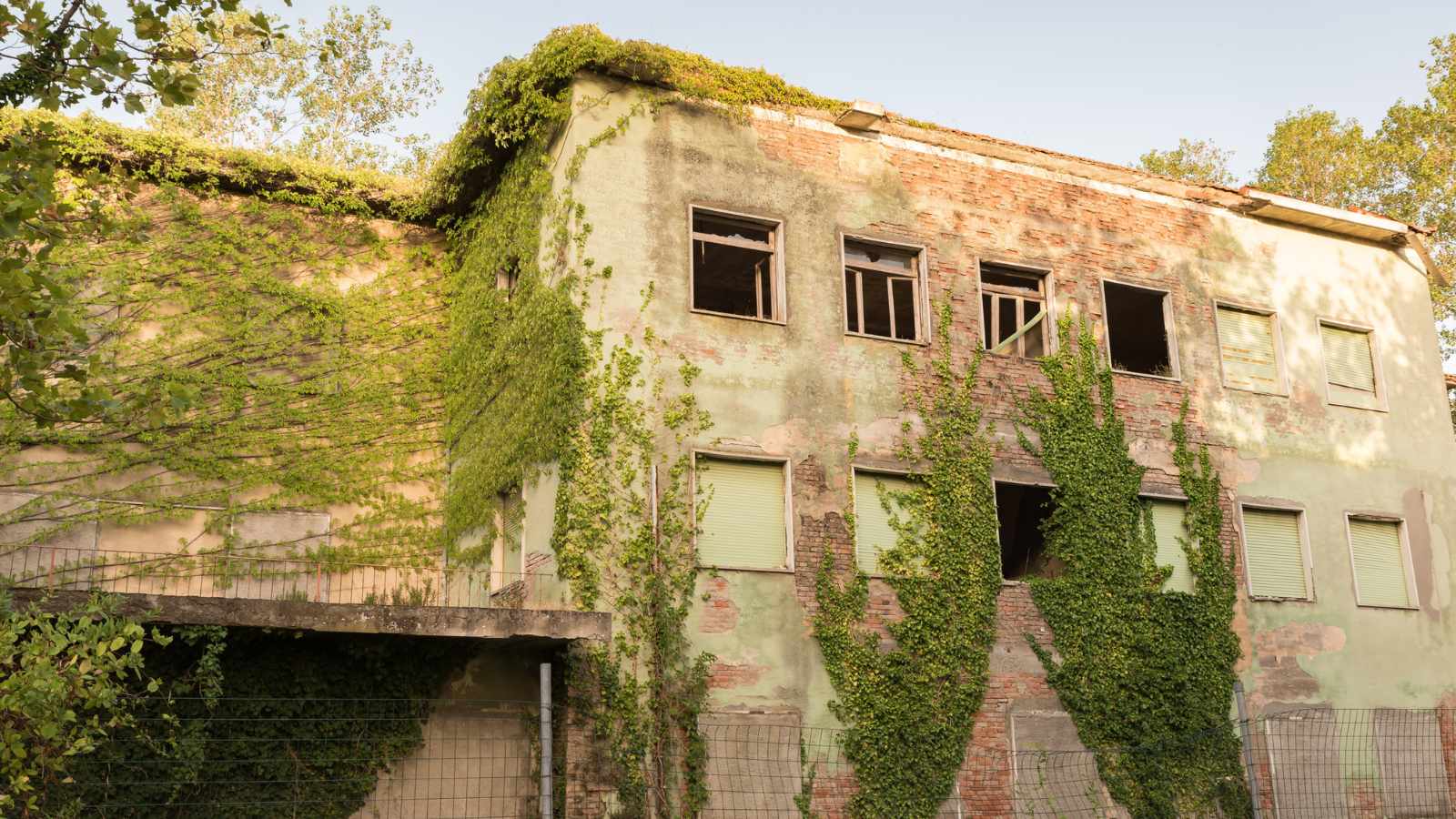
As society collapses and human activity diminishes, nature will quickly begin to reclaim urban spaces. Without the constant maintenance of lawns, roads, and buildings, plant life will take over, sprouting through cracks in sidewalks, covering abandoned vehicles, and overtaking empty homes.
Within just a few years, the familiar world of cities will look vastly different. Buildings will become overrun with vines, animals will roam freely through neighborhoods, and the artificial landscape of cities will give way to the untamed forces of nature. You might even feel that nature has taken back what was always its own.
You Will Learn to Appreciate Simple Joys
In the absence of modern comforts, the simple things in life will take on new significance. A hot meal, a warm blanket, a moment of peace; it will be the small things that keep you going. The chaos of survival will give way to an appreciation for what you once took for granted.
In a collapsed world, moments of joy will become fewer and further between, but when they do occur, you’ll savor them like never before. There is a beauty in simplicity, and in the struggle for survival, these small pleasures will be all the more meaningful.
Clean Water Will Become a Precious Commodity
Water, once taken for granted, will become a luxury. Modern water systems will fail, and access to clean, safe drinking water will become a constant challenge. You will likely need to resort to methods of purifying water, such as boiling, filtering, or using makeshift filtration systems, to ensure its safety.
Rivers and lakes, once reliable sources, may be contaminated with waste, leaving you scrambling to find fresh, uncontaminated water. You will quickly develop a deep appreciation for what was once a simple utility, now a precious commodity.
Stress Will Be a Constant Background Noise

Living in a post-collapse world will place immense psychological pressure on every individual. The constant uncertainty, the threat of danger, and the daily struggle for survival will trigger long-term stress responses. The body’s fight-or-flight mechanisms will remain in a constant state of alert, as the environment demands constant vigilance. Your mind will adapt to this reality, but the toll it takes on mental health will be significant.
Learning how to cope with stress, maintaining mental clarity, and avoiding burnout will become critical in this new world.
Key Takeaways
Life after a societal collapse will not be glamorous. It will be raw, gritty, and fraught with challenges. However, humans are incredibly resilient creatures, and the need for community, survival, and meaning will persist even in the face of overwhelming adversity.
As society crumbles, the very things we took for granted: food, water, and technology, will become precious resources. And, in the end, it will be the simple things, the stories, and the relationships that keep us moving forward, even when everything else falls apart.