


This article was originally published on Crafting Your Home. A human contributor also wrote and edited the post.
A growing fight over federal money, government authority, and political loyalty is raising a bigger question across America: can a deeply divided nation preserve trust in its institutions while fighting over the future of democracy?
Washington’s latest political battles are no longer just about budgets or policy priorities. They have become part of a much larger national argument over how power is used, how government decisions are made, and whether political differences are influencing who receives federal support.
Critics of President Donald Trump’s administration argue that some recent decisions involving federal grants, healthcare funding, and disaster assistance raise concerns about whether government resources are being distributed fairly. Supporters push back, saying the administration has the right to change spending priorities and remove programs that do not align with its agenda.
The disagreement has become one of the most intense debates in American politics, touching on issues of constitutional limits, executive authority, and the future of political trust.
Federal Funding Decisions Put Political Favoritism Claims Under the Spotlight
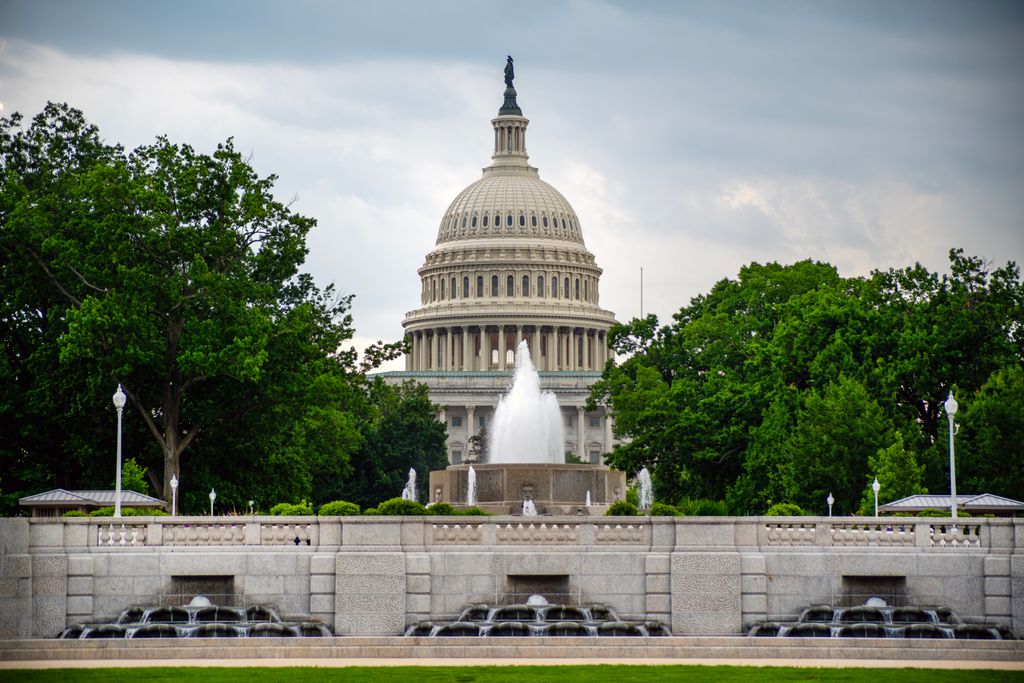
At the center of the controversy are accusations that political considerations have influenced some federal funding decisions.
Critics have highlighted changes involving energy grants and other federal programs, arguing that certain decisions appear to have affected states that supported Democratic candidates in recent elections. They say government resources should be distributed based on public need and national priorities rather than political geography.
The Trump administration has argued that many funding changes reflect a broader effort to review government spending, eliminate programs it considers unnecessary, and redirect resources toward different priorities.
The debate has moved beyond political speeches and into courtrooms, where judges are being asked to examine whether certain executive actions followed legal requirements.
For many Americans, the dispute represents a familiar question in government: how much power should an elected president have to reshape federal programs after winning an election?
The Constitution Has Long Been the Battlefield Over Government Power
The United States has faced similar debates throughout its history.
The country’s constitutional system was designed to prevent any single branch of government from having unlimited authority. The separation of powers between the president, Congress, and the courts exists partly because America’s founders feared the concentration of political power.
The Fifth Amendment and Fourteenth Amendment have played major roles in legal battles involving equal treatment and government responsibility.
Throughout American history, courts have examined whether government actions unfairly target individuals, organizations, or communities. Those legal battles have often reflected larger disagreements about fairness, rights, and the role of government.
Today’s disputes over federal funding follow that same pattern. They are not only