


This article was originally published on Crafting Your Home. A human contributor also wrote and edited the post.
President Donald Trump has warned Iran that another Houthi attack on commercial shipping could trigger direct American military retaliation against Tehran.
The warning followed an attack that set a Saudi oil tanker ablaze in the Red Sea and intensified fears that conflict could spread across two of the world’s most important energy corridors.
Trump said Iran would be held responsible for future operations by the Houthis, describing the Yemeni movement as an Iranian proxy and threatening “major military punishment” against both.
As we examine the latest escalation, the central danger extends far beyond a single damaged tanker. The Houthis have declared a maritime blockade against Saudi Arabia, several tankers have already changed course, and Brent crude climbed more than 6% to exceed $100 a barrel.
A prolonged confrontation around the Bab el-Mandeb Strait could disrupt oil exports, raise insurance costs, lengthen shipping journeys and place additional pressure on consumers already facing volatile energy prices.
Trump Holds Iran Responsible for Future Houthi Attacks
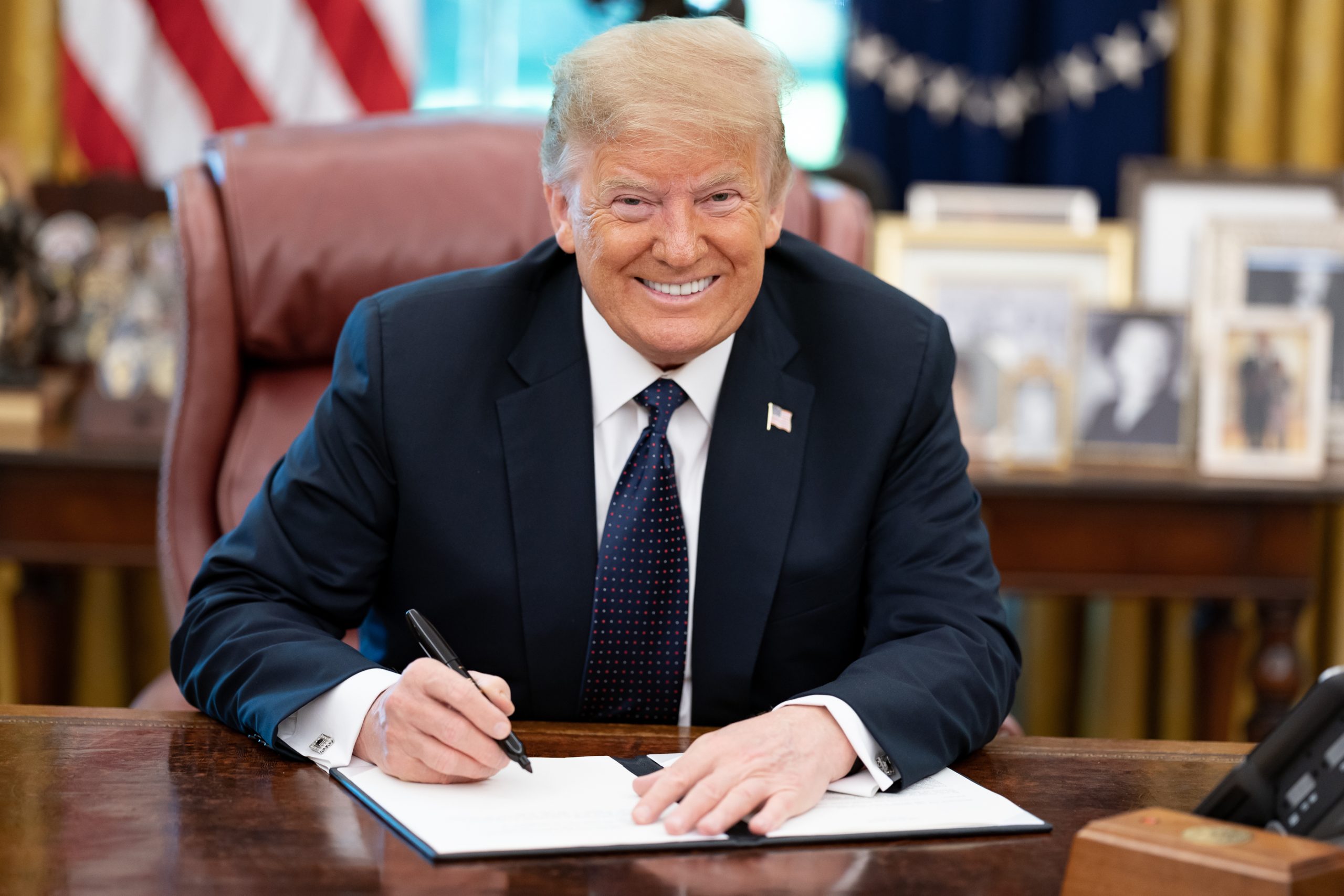
Trump issued his warning after the Houthis claimed responsibility for attacks on the Saudi tankers Encelia and Layla. He said the United States would consider Tehran responsible if the group struck again, arguing that Iranian backing gives the government direct responsibility for the Houthis’ conduct.
The statement raises the possibility that an attack launched from Yemen could produce an American response against targets inside Iran rather than only against Houthi positions.
The threat represents a significant expansion of the administration’s deterrence policy. Washington is no longer warning only the armed group carrying out the attack.
It is attempting to impose consequences on the government that supplies, finances, or assists that group, creating a direct link between activity in the Red Sea and the wider U.S.-Iran conflict.
What Happened to the Saudi Tankers Encelia and Layla
The confirmed incident involved the Saudi-flagged tanker Encelia near the Saudi port of Jizan. A maritime security source said the vessel transmitted a distress call after being struck, and Saudi authorities reported a fire on its bow. All crew members were safe, the tanker was secured, and officials said measures had been taken to protect the surrounding marine environment.
The Houthis also said they attacked the tanker Layla using missiles and drones, but that claim had not been independently verified at the time of reporting.
Saudi authorities publicly confirmed the Encelia incident without confirming the reported strike on the Layla. This distinction matters because battlefield claims can quickly become part of political messaging before outside authorities establish what occurred.
Houthi Blockade Threat Puts Bab el-Mandeb in Focus
The tanker attack came days after the Houthis announced a maritime blockade against Saudi Arabia. The group said the measure was retaliation for what it described as a Saudi siege of Yemen and for an attack on Sanaa International Airport.
It warned vessels against sailing to Saudi ports, placing commercial operators in the difficult position of deciding whether to continue normal routes or divert ships before another attack occurs.
The Bab el-Mandeb Strait connects the Red Sea with the Gulf of Aden and the Indian Ocean. Around 12% of global trade and roughly one-quarter of container traffic normally pass through the corridor on routes connecting Europe and Asia through the Suez Canal.