


What once sounded like a throwaway line from Donald Trump Jr. the idea that his father was somehow “aging backward”, is starting to look less like family hype and more like a deliberate political message.
In a campaign era where age is under a microscope and every public appearance becomes instant analysis, that phrase now carries a sharper edge.
At first glance, it felt like typical Trump-world bravado: bold claims, zero hesitation, and a refusal to acknowledge vulnerability. But with Donald Trump now 80, the conversation around age is no longer background noise in American politics.
It has moved to the center of the stage, shaping perception, fueling comparisons, and influencing how both supporters and critics interpret every appearance, speech, and health update.
The Age Question Did Not Disappear With Biden
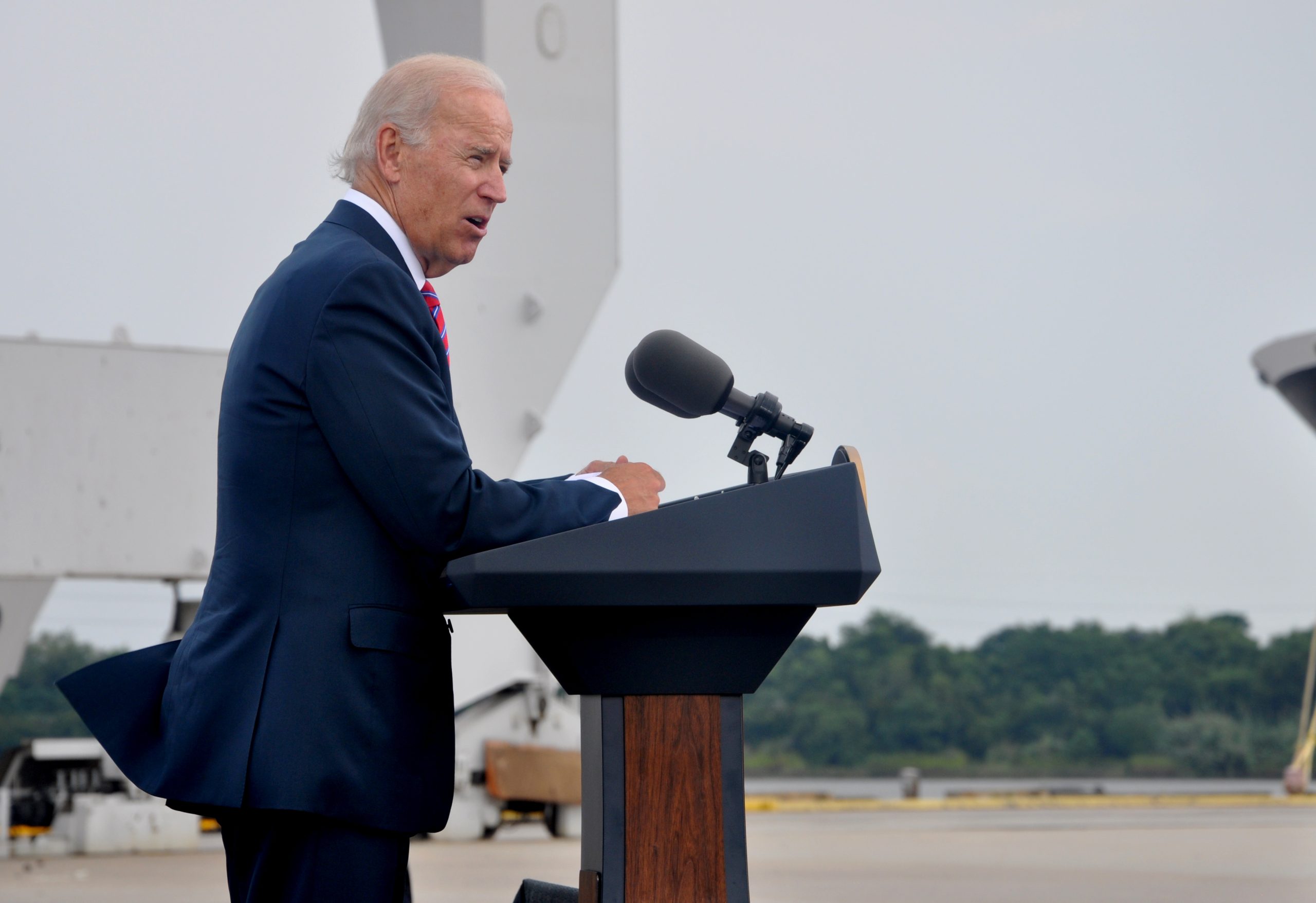
For years, Republicans hammered Biden over age, stamina, memory, and public appearances. That attack worked because voters could see the issue for themselves. But now Trump is the one carrying the burden of time.
He is the oldest person to be sworn in as U.S. president, and his health has drawn fresh scrutiny during his second term. In May 2026, Trump completed another physical exam at Walter Reed, with his physician saying his vitals, lab results, and exams appeared normal, according to reporting on the medical summary.
The report also said he scored 30 out of 30 on a cognitive assessment. That sounds strong on paper. But politics is not lived on paper. It is lived in clips, photos, whispers, and public doubt.
The “Aging Backwards” Message Is Really About Reframing
The most interesting part of the Trump health narrative is not just the medical report. It is the language around it. Trump’s physician has described him as being in excellent or exceptional health, and one report said his “cardiac age” was about 14 years younger than his actual age.
That phrase became political gold because it gives supporters a clean, repeatable line: Trump is not just healthy for his age; he is supposedly younger where it counts.
That is where Don Jr.’s “aging backwards” style of praise fits perfectly. It takes a technical-sounding medical claim and turns it into a meme. Suddenly, Trump is not an 80-year-old president facing the same aging questions that followed Biden. He is framed as the exception. The outlier. The man who defeats calendars.
It is clever because it does what Trump’s messaging often does best: it refuses to defend, and instead counterattacks with spectacle.
But Photos Keep Complicating the Story
The problem is that voters do not only read official statements. They also see images. Trump has faced attention over a bruised hand, swollen ankles, and a blotchy neck rash. The White House has attributed some of those visible issues to benign causes, including hand-shaking while taking aspirin and a common vein condition associated with leg swelling.
None of that proves Trump is unfit. It also does not erase the broader question: how transparent should any White House be about the health of a president who holds the most powerful office in the country?
That is where the “aging backwards” line starts to sound less funny and more revealing. It is not just praise. It is a shield. It tells supporters what to believe before critics can shape the story.
Presidential Health Has Always Been Political Theater
America has never handled presidential health with perfect honesty. Voters often get curated summaries, carefully worded memos, and selective disclosures. The public is told enough to reassure, but rarely enough to fully evaluate.
The Washington Post reported that outside physicians questioned the level of detail in Trump’s health disclosures, including the unusual emphasis on “cardiac age” and the lack of broader information around some advanced imaging results.
That does not mean the White House is hiding a major problem. It means the public is being asked to trust a highly managed process in a political climate where trust is already thin.
And that is exactly why slogans become powerful. “Aging backwards” is easier to understand than cholesterol medication. It is more clickable than vascular insufficiency. It is more flattering than a medical chart. It compresses a complicated health conversation into a superhero line.
Trump’s Brand Depends on Invincibility
Trump has never sold himself as normal. He sells endurance. Force. Instinct. Dominance. The man who never gets tired. The man who does not need sleep. The man who can campaign, govern, golf, feud, post, travel, and still walk into a room like he owns the oxygen.
That is the brand. So when age becomes unavoidable, Trump-world does not simply say, “He is doing well for 80.” That sounds too ordinary. Too human. Too vulnerable.
Instead, the message becomes: he is stronger than people half his age. He is sharper than critics. His doctors say he is excellent. His cardiac age is younger. His schedule is packed. His enemies are obsessed. His supporters can relax. In other words, he is not aging. He is winning against time.
The Risk Is That the Message Can Become Too Big
The danger of a phrase like “aging backwards” is that it creates a standard no human being can meet forever.
Every stumble gets magnified. Every tired look becomes a headline. Every bruise becomes a theory. Every medical visit becomes a guessing game. Once a political movement markets a leader as almost superhuman, ordinary signs of age start to look like contradictions.
That is why the smarter version of the argument would be simple: Trump is 80, his doctors say he is fit, and voters can judge his performance. But Trump’s politics rarely chooses the modest lane. It chooses the billboard.
The Bigger Story is Not Just Trump’s Age
This moment is bigger than one man. America is now in an era where presidential age, cognitive fitness, medical disclosure, and public stamina are central campaign issues. Biden faced it. Trump now faces it. Future candidates will face it too.
The old political trick was to hide weakness. The new trick is to flood the zone with confidence until weakness becomes almost impossible to discuss without sounding partisan.
That is why Don Jr.’s “aging backwards” line sticks. It is not just a family compliment. It is the entire Trump health strategy in miniature: bold, simple, viral, and built to overpower doubt before doubt can breathe.
Maybe Trump is in strong health for his age. Maybe his schedule is still unusually demanding. Maybe the medical reports are enough for his supporters. But no president actually ages backward.
What Trump-world understands is that politics often does not require literal truth to win the room. It requires a phrase people remember. And “aging backwards” is exactly that kind of phrase.


