What was meant to be a simple Saturday outing at Turkey Creek Nature Preserve in Pinson, Alabama, turned into an unthinkable tragedy.
On the afternoon of May 30, 12-year-old King Gotti Scott and 10-year-old Lola Marie Scott, were enjoying what should have been a carefree afternoon, only for the creek to turn from a playful escape into a fatal trap. Their mother, Lolisa Hood, is now grappling with a grief so profound it defies words, sharing the painful reality of a moment no parent ever expects to face.
“They were the light of my world,” Hood said, her voice heavy with sorrow. “I was there. I fought with everything I had to save them.” Despite her frantic efforts, the mother could only save her 14-year-old son, Bryan, leaving her mourning the loss of her younger children. “I could get Bryan out, but I just couldn’t reach King and Lola,” she recalled, a heartbreaking reality no parent should endure.
From Canceled Plans to a Tragic Creek Outing
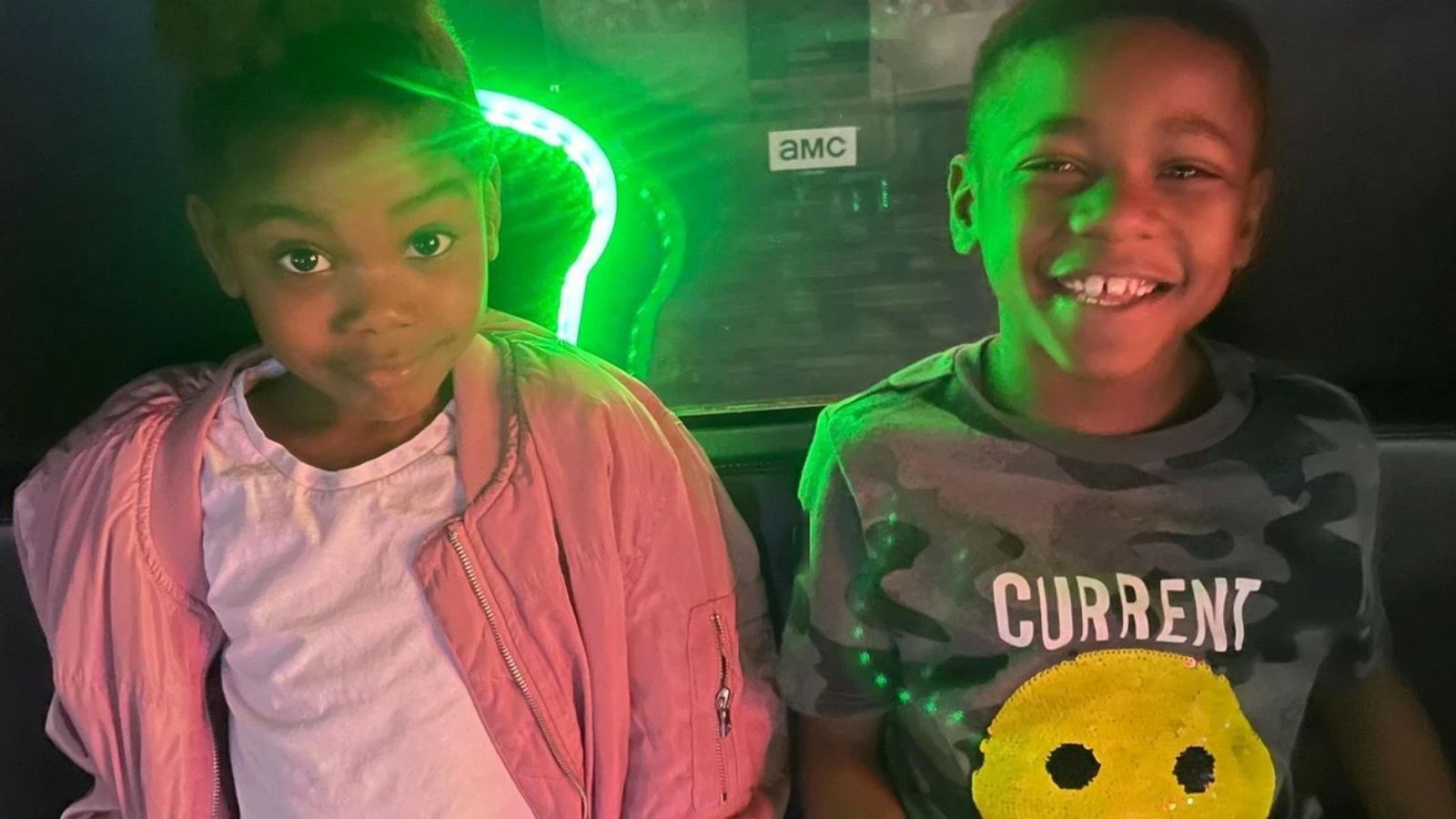
The afternoon began innocently enough. Plans for a day at a water park had been canceled, but Hood was determined to give her children a taste of summer fun. She tried to find alternatives, taking them to two splash pads only to discover they were closed.
That’s when the children suggested the creek Hood had spoken about for years. “They said, ‘Mama, what about the creek you always wanted to take us to?’ I thought it would be safe. I wanted them to enjoy themselves,” she said. At Turkey Creek Nature Preserve in Pinson, Hood had her children carefully read posted safety signs before stepping into the knee-deep water.
For a while, the day seemed idyllic. The children splashed and laughed, immersed in the simple joys of a summer afternoon, unaware of the dangers lurking beneath the calm surface.
The Moment Everything Went Wrong
As the afternoon progressed, the children turned in the wrong direction, veering left instead of right along the creek. Hood later explained that they inadvertently entered a deeper section of water, reaching eight to nine feet, far beyond their ability to navigate safely.
Panic quickly replaced playfulness. Hood rushed toward her children, managing to pull Bryan to safety, but King and Lola were swept out of reach before she could save them. Her desperate attempts to alert others included calling 911, asking passing women for help, and flagging down a passing truck of four men, all while fighting against the merciless pull of the creek.
Despite her unrelenting efforts, the water claimed her son and daughter, leaving her alone with a grief that no words can fully capture.
The Emergency Response
Local authorities arrived just after 4 p.m. at the scene on 3906 Turkey Creek Road. Deputies, firefighters, and paramedics joined in a frantic search and rescue effort. Jefferson County Sheriff’s Office officials confirmed that the children were near the bank with their mother when they went under.
Once located, the siblings were rushed to Children’s of Alabama in Birmingham. Despite aggressive resuscitation attempts, King was pronounced dead at 5:15 p.m., followed by Lola two minutes later, a coroner later confirmed.
The incident has prompted an ongoing investigation as authorities work to understand exactly what happened and ensure community safety measures are sufficient.
A Mother’s Pain Echoes Beyond Words

In the aftermath, Hood’s grief has been shared in public messages that reveal both her heartbreak and her love. On social media, she wrote that the 15 minutes at the creek “felt like forever,” adding, “Mama is so sorry King and Lola. I am truly thankful for every moment I had as your mom.”
Her words convey both sorrow and a fierce maternal devotion, a reminder that tragedy leaves scars no parent can erase. A GoFundMe established to support Hood’s family includes her statement: “I fought desperately to save my children. While I could not save all three, I am grateful I could save Bryan.
This is a pain no mother should ever endure. Now I must navigate the devastating loss of two children while caring for my surviving son. Please keep us in your prayers.”
Why This Tragedy Resonates Nationally
Beyond the immediate heartbreak, this incident underscores a broader reality: natural water environments, even those that appear calm and safe, can be unpredictable and lethal. According to the Centers for Disease Control and Prevention, drowning is the leading cause of unintentional injury death for children ages 1 to 14.
The “instinctive drowning response” explains why victims often sink silently, making it nearly impossible for even vigilant adults to react in time. Experts emphasize several preventive measures. Children should wear properly fitted life jackets whenever they enter natural water, adults should maintain constant visual contact, and families should familiarize themselves with local water hazards before letting children wade in.
Hidden currents, sudden depth changes, and slippery creek beds all contribute to the risk. For parents, the Scott family’s tragedy is a sobering reminder that vigilance, preparation, and awareness can never be optional.
The Lingering Impact on a Community
Turkey Creek is now a site of mourning, reflection, and renewed attention to safety. Local residents, schools, and community members have rallied around the family, offering condolences and support while grappling with the shock of the loss. King and Lola’s story serves as both a warning and a call for communities to improve education, signage, and supervision at natural water sites.
Hood’s words capture the essence of the tragedy with painful clarity: “This is a pain no mother should ever have to endure. I am grateful for the time I had with my children, but it is a grief I will carry forever.” Their story reminds us that joy can turn to heartbreak in seconds and that every precaution counts when children are near water.
Understanding How Quickly Water Can Turn Dangerous
Even shallow water can be deadly when environmental conditions shift unexpectedly. Turkey Creek, like many natural waterways, may appear calm on the surface but harbor strong currents, submerged rocks, and sudden changes in depth. According to research published in the Journal of Pediatric Health, children between ages 5 and 14 are particularly vulnerable because they often overestimate their swimming abilities and underestimate environmental risks.
These factors create a perfect storm where a routine visit can quickly escalate into a life-threatening emergency. Drowning incidents are disproportionately high during warmer months, with June through August accounting for the majority of cases. This seasonal spike has prompted nationwide campaigns emphasizing active supervision, swimming education, and community awareness programs.
Studies indicate that formal swimming lessons reduce the risk of drowning by up to 88% among children aged 1 to 4, suggesting that combining education with preventive measures is vital.
A Call to Action for Water Safety
The Scott siblings’ deaths serve as a devastating warning and a call to action. Communities, families, and local authorities must work together to make natural water areas safer. Beyond physical safety measures, fostering a culture of awareness and preparedness can prevent similar tragedies.
Life jackets, clear safety boundaries, and immediate adult supervision are practical steps that can save lives. King Gotti Scott and Lola Marie Scott are now remembered not only for their bright spirits but also as symbols of why vigilance around water is non-negotiable.
As families across the country plan summer outings, their story is a painful but essential reminder of the hidden dangers lurking beneath the surface. Their loss emphasizes the urgency of proactive safety measures, community education, and constant supervision around natural water, ensuring that what is meant to be a day of fun does not end in heartbreak.