7 Traditional Parenting Techniques Boomers Used That Younger Generations Could Learn From

Parenting styles have evolved over the years, and many modern approaches focus on supporting children through tailored experiences and open conversations. However, some traditional parenting techniques, especially those practiced by Baby Boomers, still hold immense value in nurturing a child’s emotional and psychological growth.
These techniques, often passed down through generations, offer timeless benefits that today’s parents would do well to revisit. Here are seven parenting strategies from the past that younger generations could benefit from in raising more resilient, empathetic, and well-rounded children.
Instilling a Sense of Community Through Volunteering
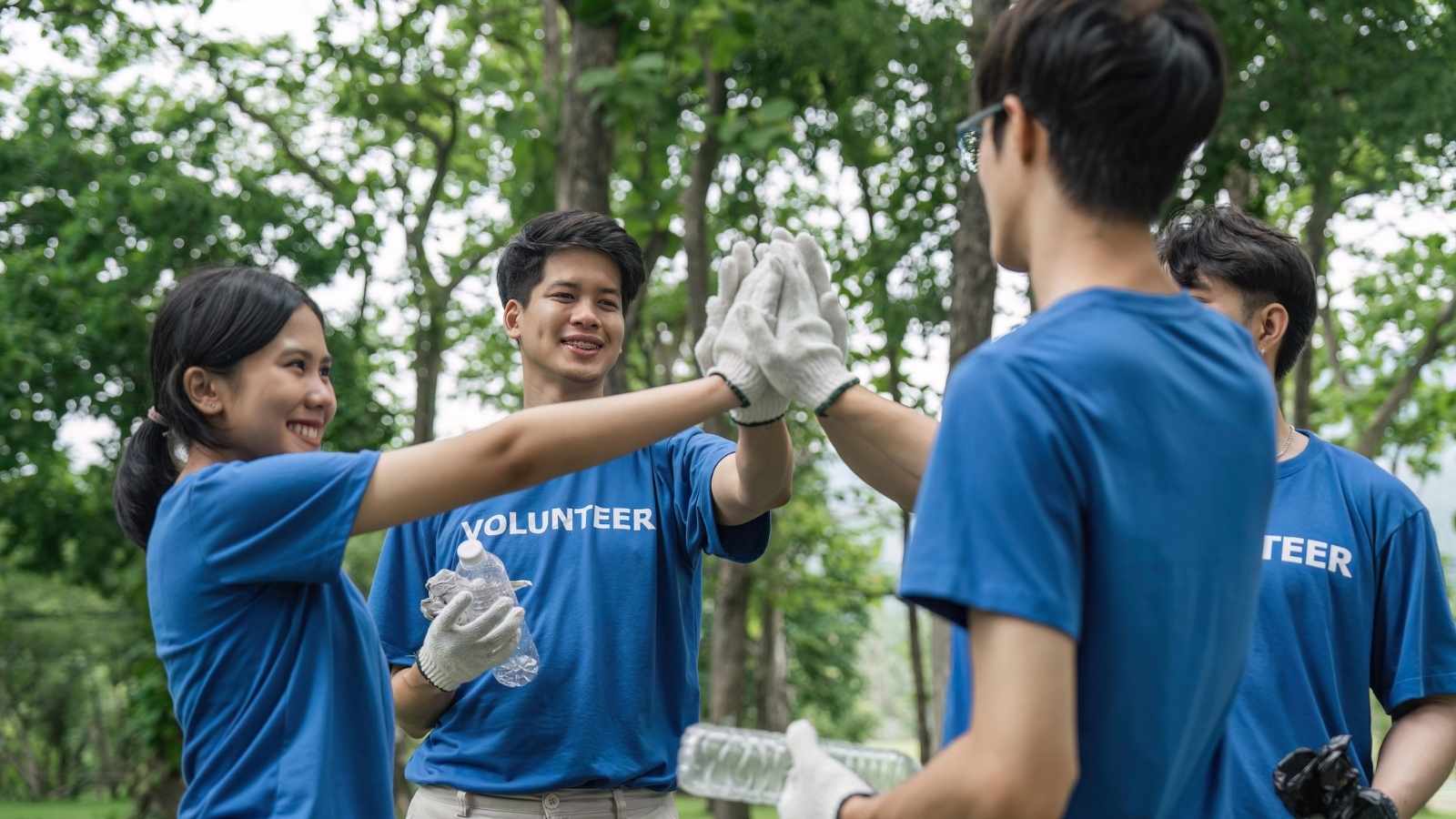
Teaching children to give back to their community fosters a sense of responsibility and civic duty. Volunteering provides children with the opportunity to connect with others, learn empathy, and understand the impact of their actions on the world around them. Whether it’s helping at a local food bank, participating in a neighborhood cleanup, or assisting with community events, volunteering teaches valuable life lessons.
Children who participate in community service develop a greater sense of belonging and purpose. They also learn the importance of helping others and contributing to the greater good, which shapes them into compassionate and socially responsible adults.
The Importance of Family Meals
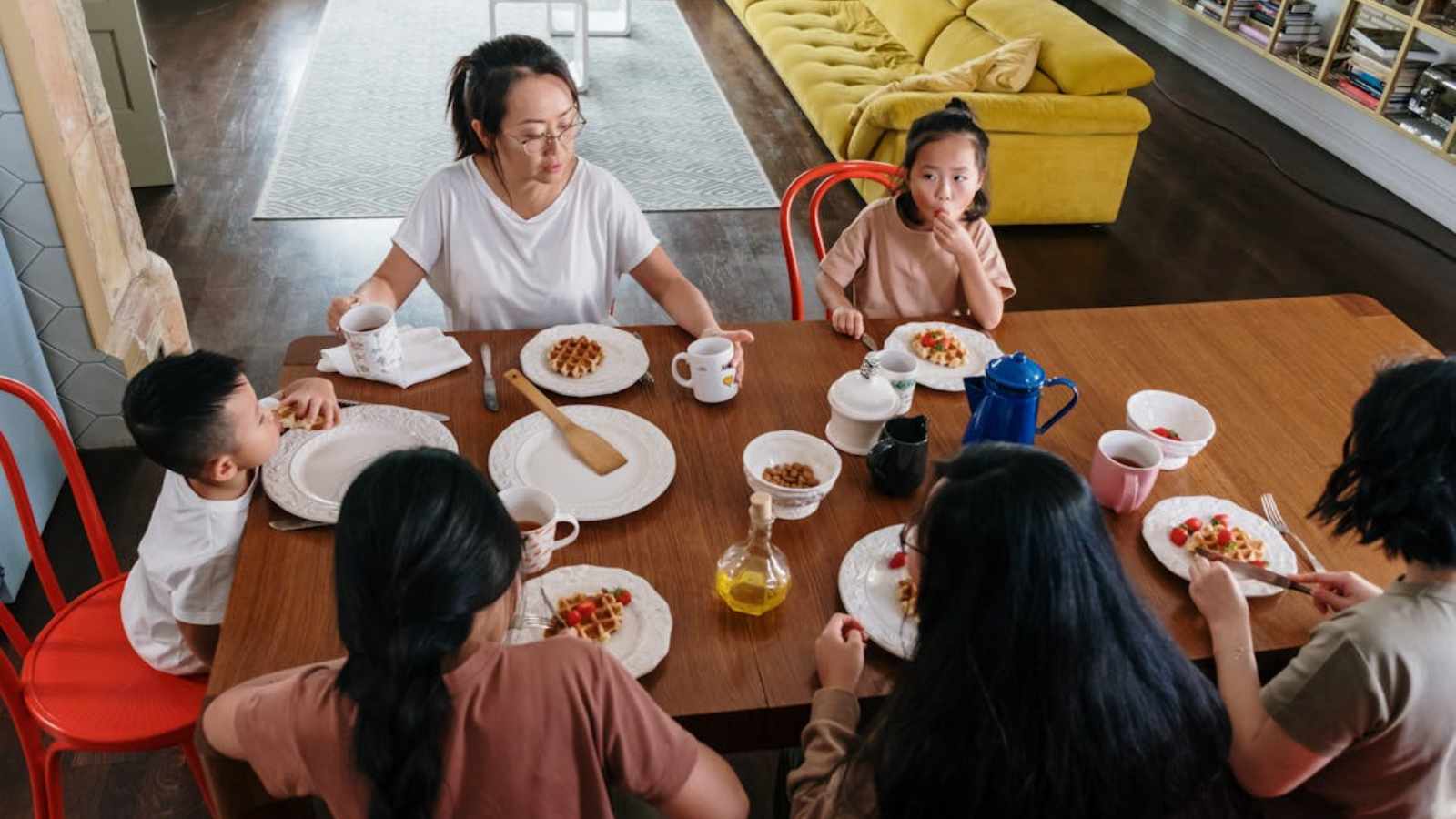
Family meals have long been a cornerstone of family life, and there’s a good reason for this tradition. Sitting down together for a meal, without distractions like screens, allows families to connect meaningfully after a busy day. Not only does this time together enhance emotional bonding, but it also helps children develop essential social skills such as conversational flow, reading non-verbal cues, and practicing empathy.
Studies show that regular family meals correlate with improved academic performance, healthier eating habits, and stronger familial relationships. Whether it’s breakfast, lunch, or dinner, any time spent together as a family can be invaluable for building emotional stability and fostering a strong sense of belonging.
Limiting Extracurricular Activities to Prevent Over-scheduling
In today’s world, children are often over-scheduled with endless extracurricular activities, leaving them little time to unwind. While structured activities like sports, music, and dance have their benefits, too much involvement in these areas can lead to burnout and stress. Limiting extracurriculars allows children to find a balance between work, play, and rest, fostering a healthier approach to growth.
Over-scheduling can undermine a child’s ability to develop independent leisure skills and emotional resilience. By allowing children to have free time, they can explore their own interests, decompress, and learn to relax without the pressure of constant achievement.
Letting Children Experience Discomfort to Build Emotional Resilience
It’s natural for parents to want to shield their children from hardship, but some discomfort is crucial for developing resilience. Teaching children how to handle frustration, mistakes, and setbacks helps them cultivate a growth mindset. By experiencing and overcoming challenges, children learn that failure is a part of the learning process and that persistence leads to success.
This parenting technique encourages children to embrace discomfort as an opportunity for growth. When kids learn to manage their emotions in the face of adversity, they become more adaptable, confident, and prepared to face the inevitable challenges of adulthood.
Teaching Responsibility Through Household Chores
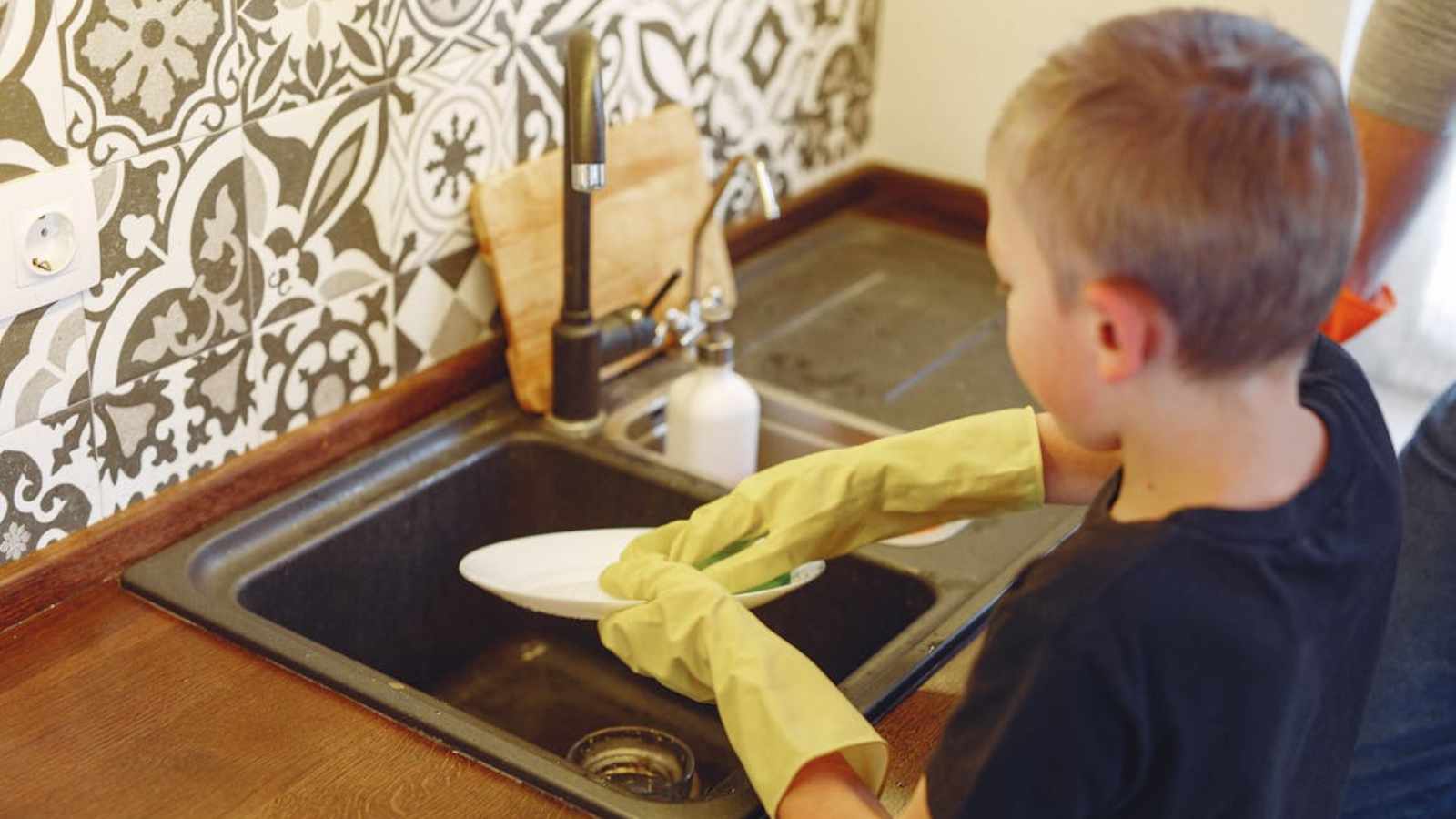
Assigning household chores to children is an old-fashioned technique that remains highly effective in teaching responsibility, discipline, and self-sufficiency. By giving children age-appropriate tasks, parents can instill a sense of teamwork and help them understand the value of hard work. Whether it’s unloading the dishwasher, folding laundry, or helping with cooking, these tasks not only contribute to the smooth running of the household but also teach children how to manage their own responsibilities.
Research has shown that children who regularly do chores are happier, more independent, and perform better academically. They develop essential life skills, such as time management, problem-solving, and the ability to contribute to their communities, which make them more successful in adulthood.
Prioritizing Reading Over Screen Time

While technology is an integral part of modern life, balancing screen time with traditional activities like reading is essential for healthy development. Reading not only improves literacy and cognitive skills but also stimulates a child’s imagination and creativity. By reading physical books, children develop a deeper understanding of language and narrative, which fosters academic success.
In contrast, excessive screen time has been linked to issues such as poor emotional regulation, sleep disturbances, and delayed social development. Parents can help children strike a healthy balance by prioritizing reading, storytelling, and engaging with physical books over digital distractions.
Celebrating Birthdays with Simplicity and Meaning
In a culture that often emphasizes lavish birthday parties, the simplicity of old-school birthday celebrations offers a refreshing alternative. Instead of extravagant decorations and expensive gifts, a simple family gathering with close friends can teach children the importance of meaningful connections over materialism. Celebrating birthdays with minimalism encourages gratitude and fosters a deeper appreciation for shared experiences rather than material possessions.
By keeping birthdays low-key, children learn to value relationships and experiences rather than accumulating items. This shift away from consumerism can have a long-lasting impact on their attitudes toward material goods as they grow older.
Key Takeaways

Modern parenting practices undoubtedly offer significant benefits, but the timeless parenting techniques practiced by Baby Boomers still hold immense value. By reintroducing family mealtimes, household chores, and community involvement, today’s parents can equip their children with essential life skills, emotional resilience, and a deep sense of empathy.
Read the original article on Crafting Your Home