

Urban life often demands survival skills that extend far beyond navigating crowded streets or paying rent on time. Some careers in American cities test both physical endurance and mental resilience, exposing workers to risk, stress, and long-term health hazards. While the modern city offers opportunity, it also presents some of the harshest workplaces imaginable, where every shift can challenge safety, sanity, and stamina.
Understanding which jobs push the limits helps illuminate why certain urban professions remain some of the most physically and emotionally draining in the country. From emergency responders to factory laborers, these positions reveal the hidden struggles behind city life.
Street-Level Police Officers

City police officers face relentless pressure while maintaining law and order. Budget constraints often leave patrols understaffed, and officers encounter violent confrontations daily, from armed robberies to domestic disputes, without guaranteed backup. Protective gear and training can only mitigate so much; the risk of life-threatening situations is an inescapable part of the profession.
Beyond immediate physical danger, the role carries immense psychological strain. Officers balance community expectations, legal constraints, and personal safety, often taking on extra security jobs to supplement modest pay.
Urban Firefighters
Firefighters regularly navigate perilous environments in city landscapes. Abandoned buildings, densely packed neighborhoods, and industrial complexes elevate the risk of fire and structural collapse. Historical instances, including riots and urban unrest, have shown firefighters themselves can become targets while performing rescues.
This career requires peak physical conditioning, rapid decision-making, and the capacity to endure extreme stress. Smoke inhalation, heat exposure, and the threat of arson-for-profit incidents compound the inherent hazards. Firefighters’ bravery is underscored by the fact that each call carries unpredictable dangers, making it one of the most hazardous urban professions.
Convenience Store Workers
Employees at urban convenience stores often work around the clock, dealing with minimal security in high-crime areas. Robbery is a constant threat, sometimes escalating to assault or murder over a few dollars in a register. Even with surveillance cameras and deterrents, workers remain exposed to unpredictable violence.
The position also imposes mental stress and emotional strain, as workers navigate aggressive customers and potentially dangerous neighborhoods. While wages are low, the demand for presence, attentiveness, and rapid problem-solving is high, making this a relentless urban occupation.
Call Center Operators
Call center roles demand high-volume communication while maintaining composure under constant monitoring. Operators navigate irate customers, scripted interactions, and rigid performance metrics, often with minimal autonomy. Breaks are scheduled, and productivity is continuously tracked, creating an environment of relentless oversight.
Cognitive load and emotional labor dominate the workday. Employees must remain alert, empathetic, and effective for hours on end, making this a uniquely exhausting occupation despite minimal physical risk. The mental strain can accumulate, producing burnout and long-term occupational fatigue.
Urban Firefighters

Firefighters regularly navigate perilous environments in city landscapes. Abandoned buildings, densely packed neighborhoods, and industrial complexes elevate the risk of fire and structural collapse. Historical instances, including riots and urban unrest, have shown firefighters themselves can become targets while performing rescues.
This career requires peak physical conditioning, rapid decision-making, and the capacity to endure extreme stress. Smoke inhalation, heat exposure, and the threat of arson-for-profit incidents compound the inherent hazards. Firefighters’ bravery is underscored by the fact that each call carries unpredictable dangers, making it one of the most hazardous urban professions.
Factory Laborer
Factory work continues to be grueling despite automation and safety protocols. Employees endure long hours performing repetitive tasks, often in environments that are physically demanding, loud, and monotonous. Even with union protections, exposure to machinery, hazardous materials, and high-pressure deadlines contributes to occupational injuries.
Mental fatigue accompanies physical strain. Workers must remain alert while performing repetitive motions, managing production quotas, and maintaining quality control. Factory laborers exemplify the tension between economic necessity and workplace sustainability in metropolitan contexts.
Construction Laborers
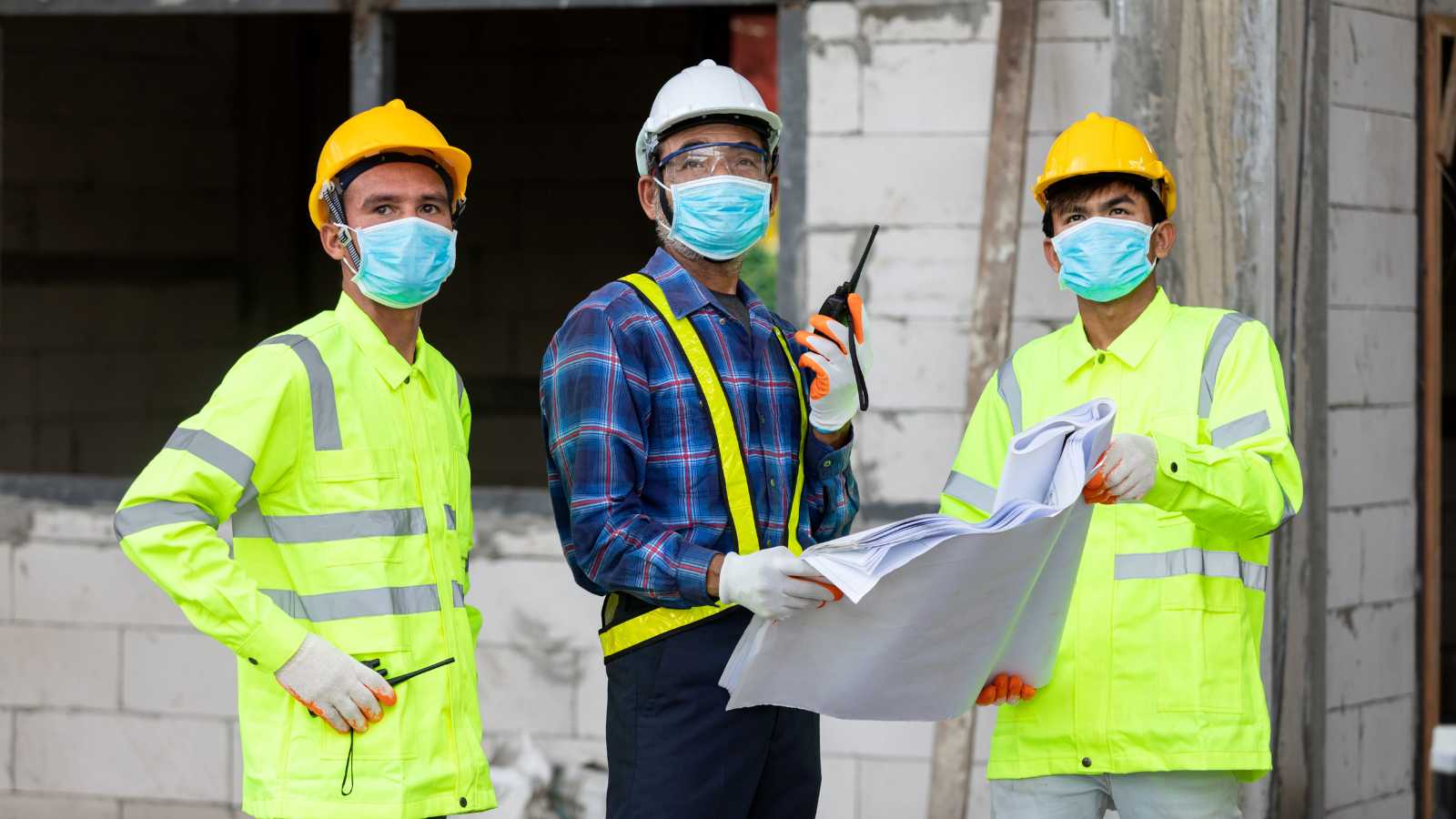
Construction sites within cities introduce additional complexity, with tight spaces, heavy equipment, and precarious heights. Workers face constant risk from falling objects, scaffolding accidents, and machinery mishaps. Urban density amplifies hazards, with pedestrians and traffic complicating site safety.
In addition to physical risk, construction laborers must maintain focus under demanding schedules and strict deadlines. The combination of environmental hazards and relentless workload positions urban construction as an enduringly difficult career.
Taxi and Rideshare Drivers
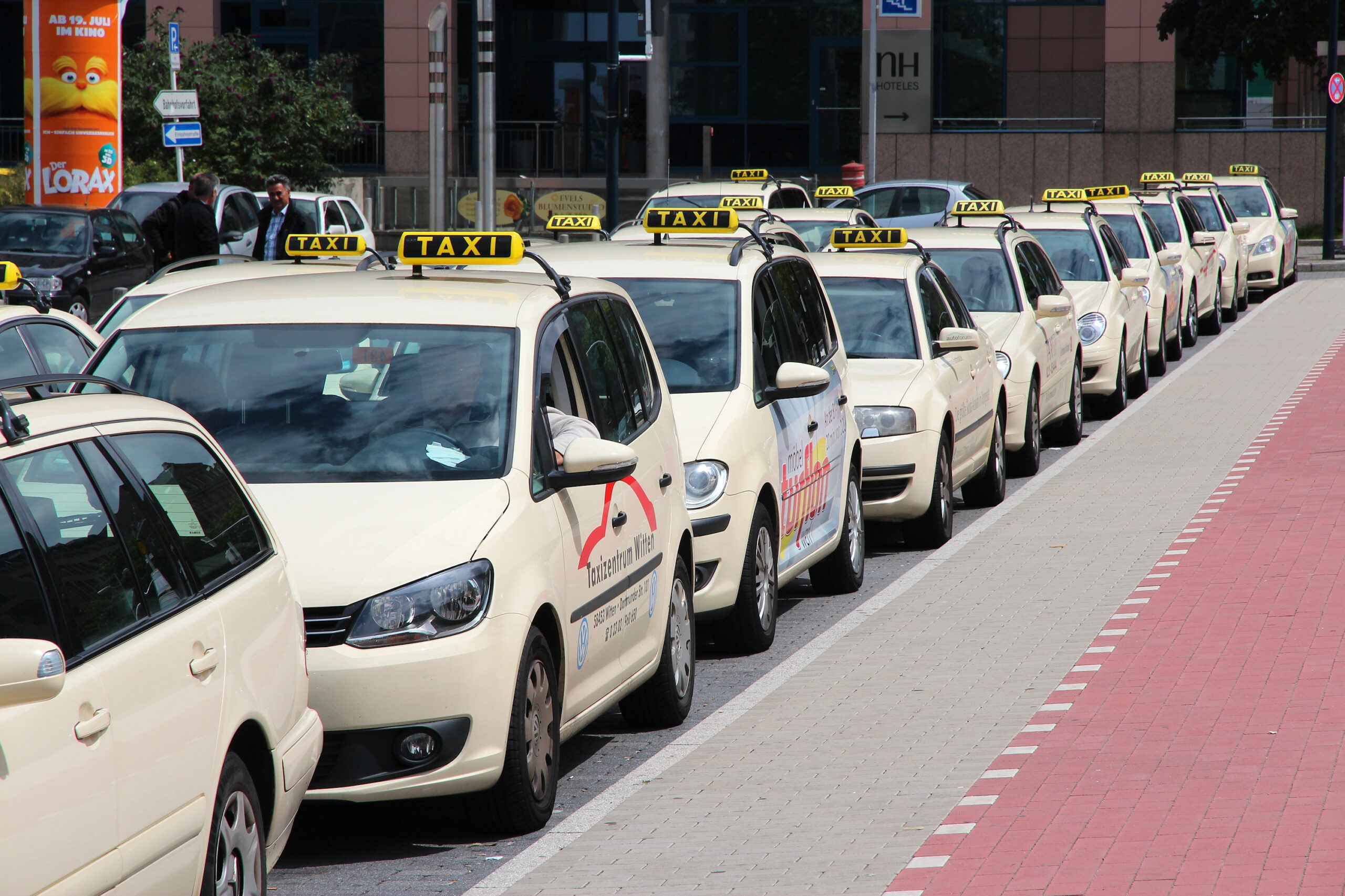
Urban drivers contend with traffic congestion, extended hours, and unpredictable passenger behavior. Navigating city streets exposes them to accidents, theft, and even assault, while fare earnings often fail to match the physical and emotional costs. Drivers must anticipate danger from both vehicular hazards and criminal activity, creating a persistent state of vigilance.
Beyond safety concerns, stress accumulates from irregular hours, tight schedules, and customer disputes. Maintaining situational awareness, adherence to traffic laws, and rapid problem-solving under pressure make urban driving one of the most demanding service professions.
Conclusion
Urban employment in America spans from moderately challenging to life-threatening. These ten careers illustrate the extreme end, where danger, stress, and physical toil converge daily. Recognizing the realities of these roles illuminates the resilience and skill required to navigate city life.
The broader lesson is clear: essential work often carries hidden costs, and urban labor demands respect, preparation, and acknowledgment of the risks inherent in maintaining the machinery of metropolitan life.


