


Recently, people around the world have been talking more about fitness. Some countries are getting healthier, but others still struggle with regular exercise. Looking at where physical activity is lowest can show us what health, infrastructure, or cultural issues need attention.
Why Is Essential for Health
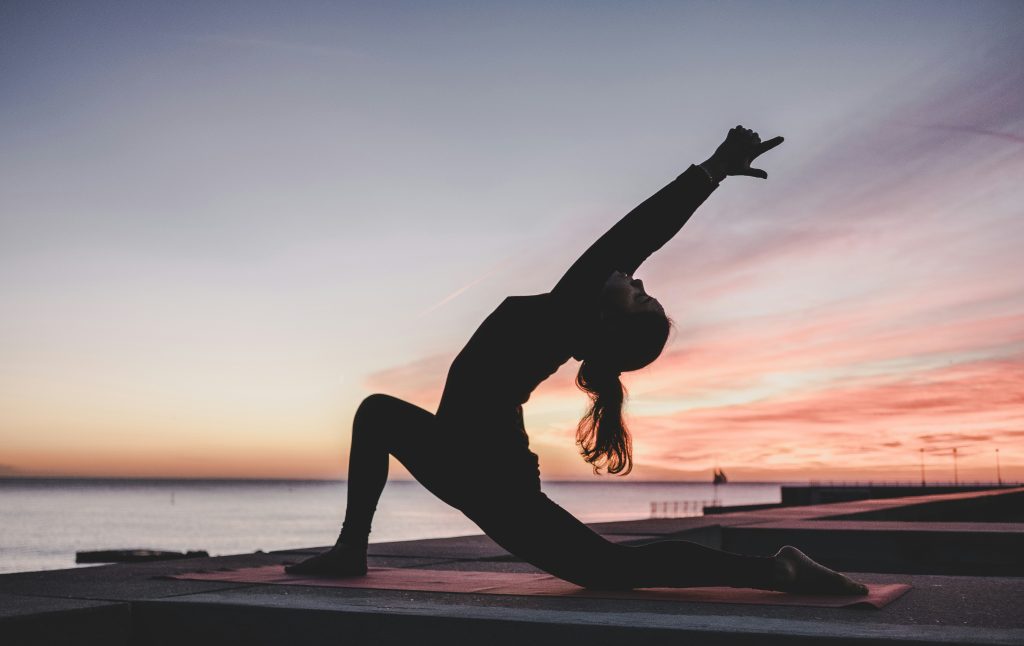
Exercise is known to be important for living a long and healthy life. Being physically active regularly helps prevent diseases such as heart disease, diabetes, and obesity. It also improves mental health and reduces anxiety. Still, many people around the world do not make exercise a regular habit.
The Countries with the Least Active Populations
Recent global health data shows that some countries have lower levels of physical activity. These places face different challenges, like economic issues or cultural habits, that affect how often people exercise.
-
India
India has a large and diverse population, but many people there do not get enough exercise. In rural areas, people often do hard physical work, but it is not seen as formal exercise. In cities, many choose more inactive lifestyles. There are also not enough parks or gyms, which makes it harder to stay active. While fitness is becoming more popular in India, it has not made a big difference across the whole country yet.
-
China
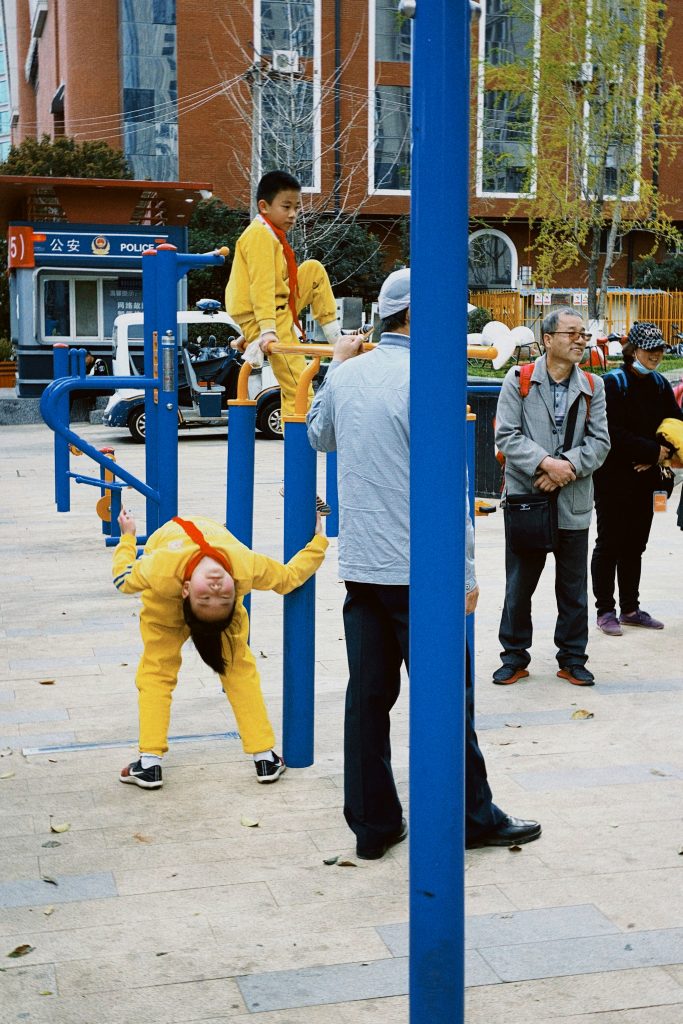
Even though China has modernized quickly, it still faces challenges in physical fitness. Many people, especially in cities, have jobs that require them to sit most of the day, so they do not get much exercise. Older people often stick to traditional routines that do not include regular exercise. While younger people in China are starting to exercise more, overall, fewer people in China are active than in Western countries.
-
Mexico
In Mexico, exercise is not a regular part of daily life for many people. High poverty, large cities, and a lack of gyms or parks make it harder to stay active. Cultural habits around food and free time also lead to more sitting and less movement. People are trying to raise awareness and improve access to fitness, but there is still a long way to go.
-
South Africa
South Africa has beautiful landscapes that could inspire outdoor activities, but many people still do not get enough exercise. Many live in places without easy access to gyms or safe parks. High unemployment and economic problems also make it harder for people to focus on fitness. Some public health programs are trying to help, but cultural and infrastructure issues remain.
-
Brazil
Brazil hosts the world’s biggest annual fitness event, the Rio Carnival, but regular exercise is uncommon outside celebrations. In cities, most jobs involve sitting, and in rural areas, there are not enough places to exercise. Young people are becoming more active, but older adults are less likely to exercise. The healthcare system is promoting exercise, but more people need to get involved.
Factors Contributing to Low Exercise Rates
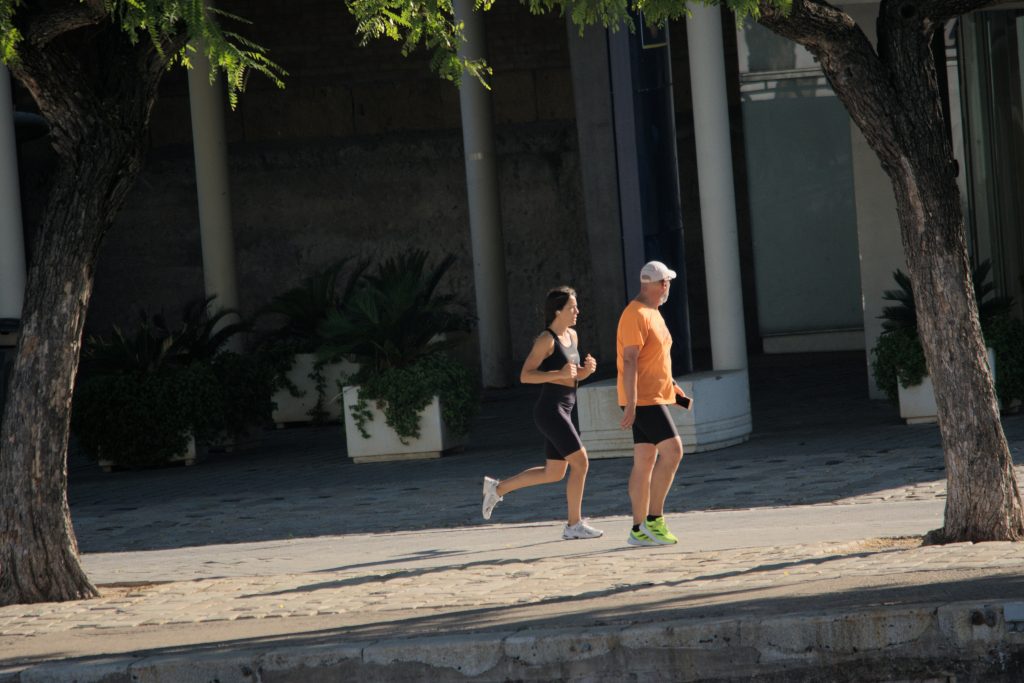
There are many reasons why people in these countries do not exercise much. Economic problems, cultural beliefs, and a lack of gyms and parks all matter. In many places, exercise is not a priority, and when people do exercise, it is often not regularly.
Cultural Norms
In many places, people do not think of exercise as something they need to do every day. Some only connect exercise with sports or special occasions. When work takes up most of the day, exercise is often ignored. Ideas about body image, health, and women’s roles also affect how much people exercise.
Access to Exercise Facilities
Having access to gyms, parks, and safe outdoor spaces makes it easier for people to exercise. In many developing countries, these resources are hard to find, especially in rural areas. Even in cities, gyms can be costly and far from people’s homes or jobs.
Economic Barriers
Money problems also make it harder for people to exercise. In many countries, those dealing with poverty or job worries often put work and family first, leaving little time for health. The cost of gym memberships, workout clothes, and even healthy food can be too high for people with low incomes.
Improving Physical Activity Worldwide
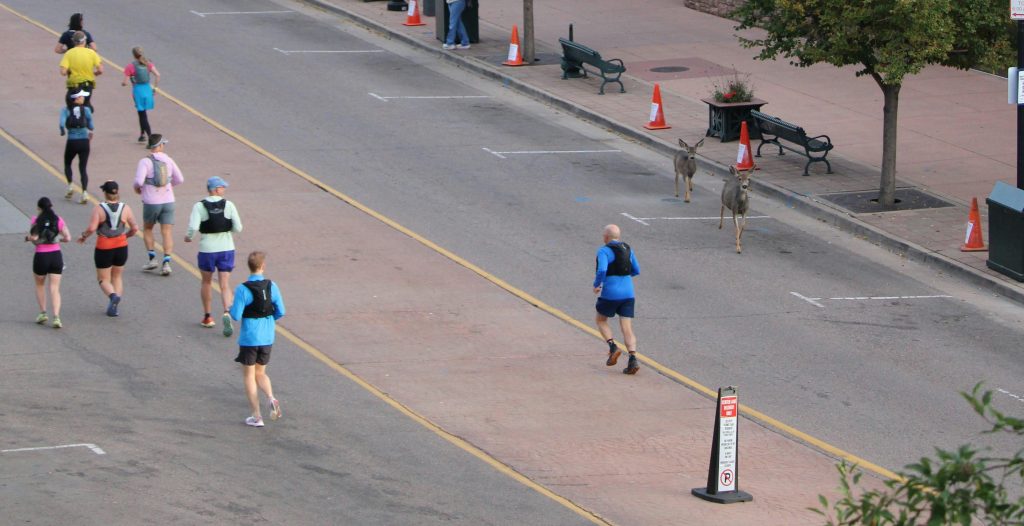
To help people become more active, countries should invest in education and better facilities. Public health campaigns about the benefits of exercise and more affordable fitness options can make a big difference. Encouraging outdoor activities and sports in schools can also help kids become more active as they grow up.
Conclusion
While many countries face challenges in promoting physical activity, it is clear that there is a global trend toward better health. Many countries struggle to get people moving, but with the right investments and changes, the trend can improve. By making exercise more accessible, changing cultural attitudes, and addressing financial barriers, we can help people everywhere live healthier lives.


