8 Tipping Habits You May Not Know Are Rude
Image Credit: karrrtinki via 123RF
Tipping can be a simple way to show appreciation for good service, but did you know that certain tipping habits can unintentionally come across as rude or disrespectful? These small gestures could send the wrong message to the service staff, who rely on these tips for their livelihood. To help you avoid these common tipping faux pas, here are tipping habits that could leave servers feeling underappreciated, and how you can do better.
Leaving Coins as Tips
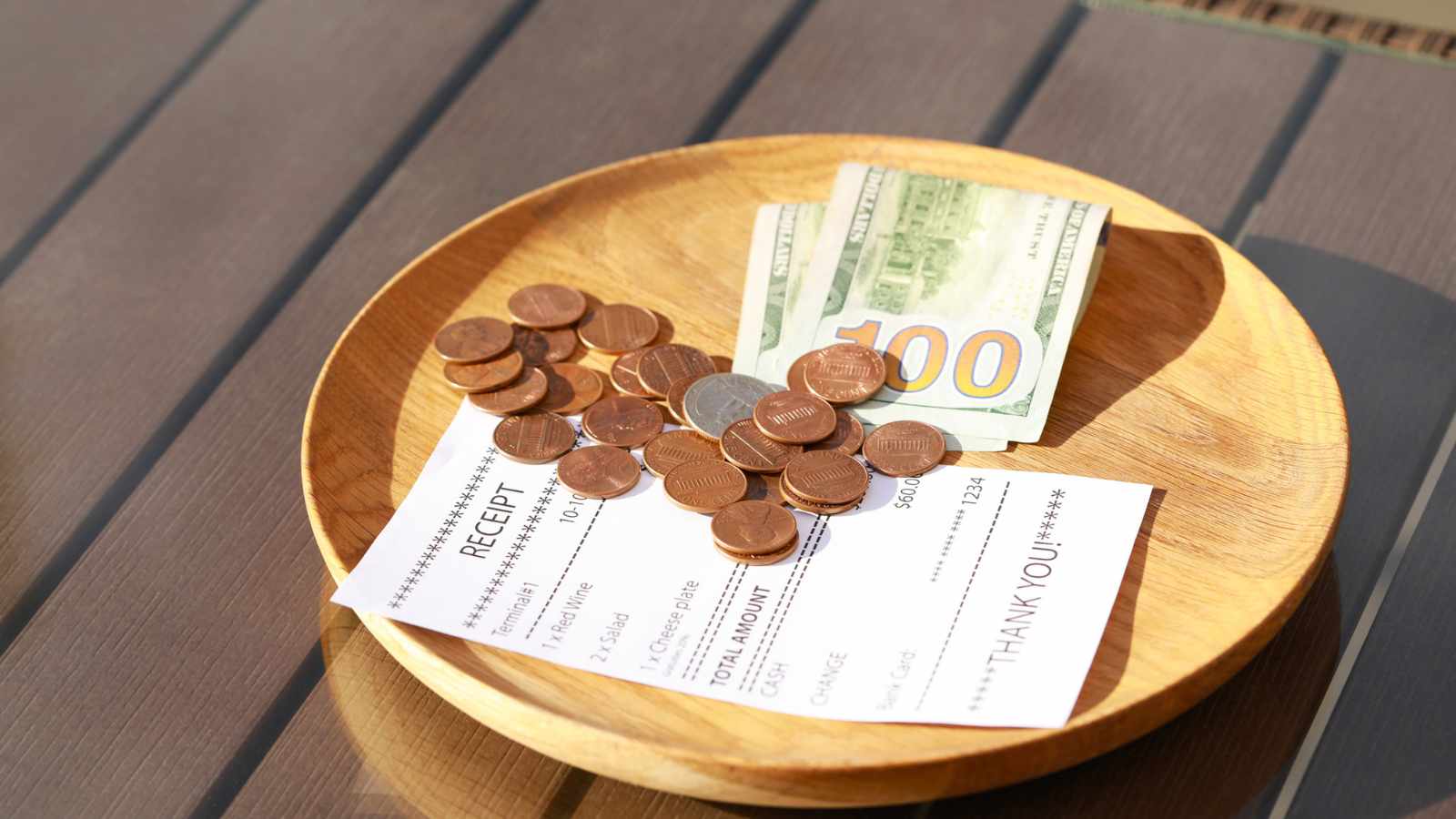
In many situations, coins are considered a sign of low effort. Dropping a pile of dimes, nickels, or quarters on the table can make it seem as though you couldn’t be bothered to even provide a reasonable tip. It often gives the impression that you’ve cleared out the change from your car’s cupholder, rather than offering a thoughtful tip.
When tipping, aim for bills rather than coins. Even a small bill, like a $1 or $5, will be more appreciated than a collection of loose change. If you’re unsure of what amount to tip, use the 15-20% rule based on the total bill, but be sure it feels respectful of the service you received.
Not Tipping for Takeout
Even though takeout is a more self-service experience, it still requires effort from the restaurant staff. Someone needs to prepare the food, package it carefully, and ensure your order is correct before it’s handed over to you.
If your order is large, customized, or requires extra attention, tipping is essential. A tip of 10% or more, depending on the complexity of the order, is a standard and respectful way to show gratitude for the staff’s hard work.
Leaving Exact Change for a Small Bill
Imagine you have a $19.84 restaurant bill and leave exactly $20, leaving a mere 16 cents as your tip. This minimal gesture can come across as calculating and stingy, even for a small bill.
Rather than leaving only a few cents, round up generously. Tipping a dollar or more on smaller bills is always a better choice. Not only does it show gratitude for the service, but it also reflects a more respectful and mindful approach to tipping.
Skipping the Tip on Self-Checkout
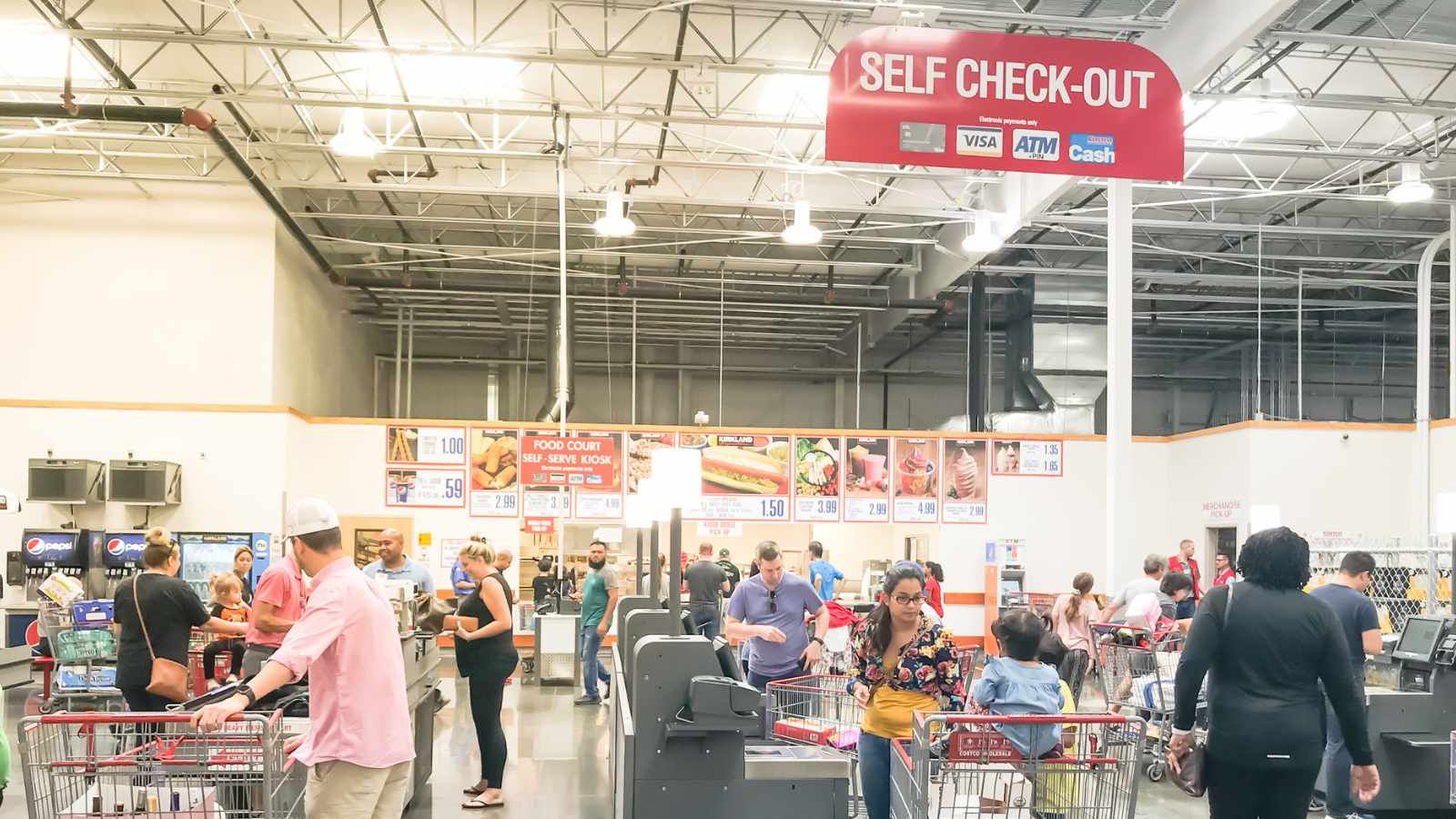
Many fast-casual restaurants, cafes, and even grocery stores use self-checkout systems, but that doesn’t mean staff are exempt from tipping. Baristas, cashiers, and sandwich makers still rely on tips to supplement their income, and skipping the tip altogether just because you’re using a self-checkout option is inconsiderate.
Whenever possible, leave a tip. Some establishments offer the option to add a tip digitally when paying by card, so use it to show your appreciation. Remember, the service staff put in effort even if the transaction was more automated.
Using Tipping to Send a Message
Leaving a poor tip to express dissatisfaction or “teach a lesson” is rarely effective. Servers can’t read your mind, and they won’t know why you’ve chosen to leave a smaller tip unless you communicate directly.
If you have an issue with the service, kindly address it with the manager or the server rather than withholding your tip. Constructive feedback is far more effective in improving service than sending a negative message through a tip.
Tipping Only for Perfect Service
While it’s tempting to tip generously only when service is flawless, this practice overlooks the effort of servers who may be working under difficult circumstances. Service staff are human too, and they deserve recognition for their efforts, even if everything wasn’t perfect.
Instead of waiting for perfection, tip based on the overall service and effort. Acknowledge the staff’s hard work with a fair tip, even if there were minor mistakes along the way. This approach fosters positivity and encourages service workers to continue providing their best.
Overtipping to Show Off
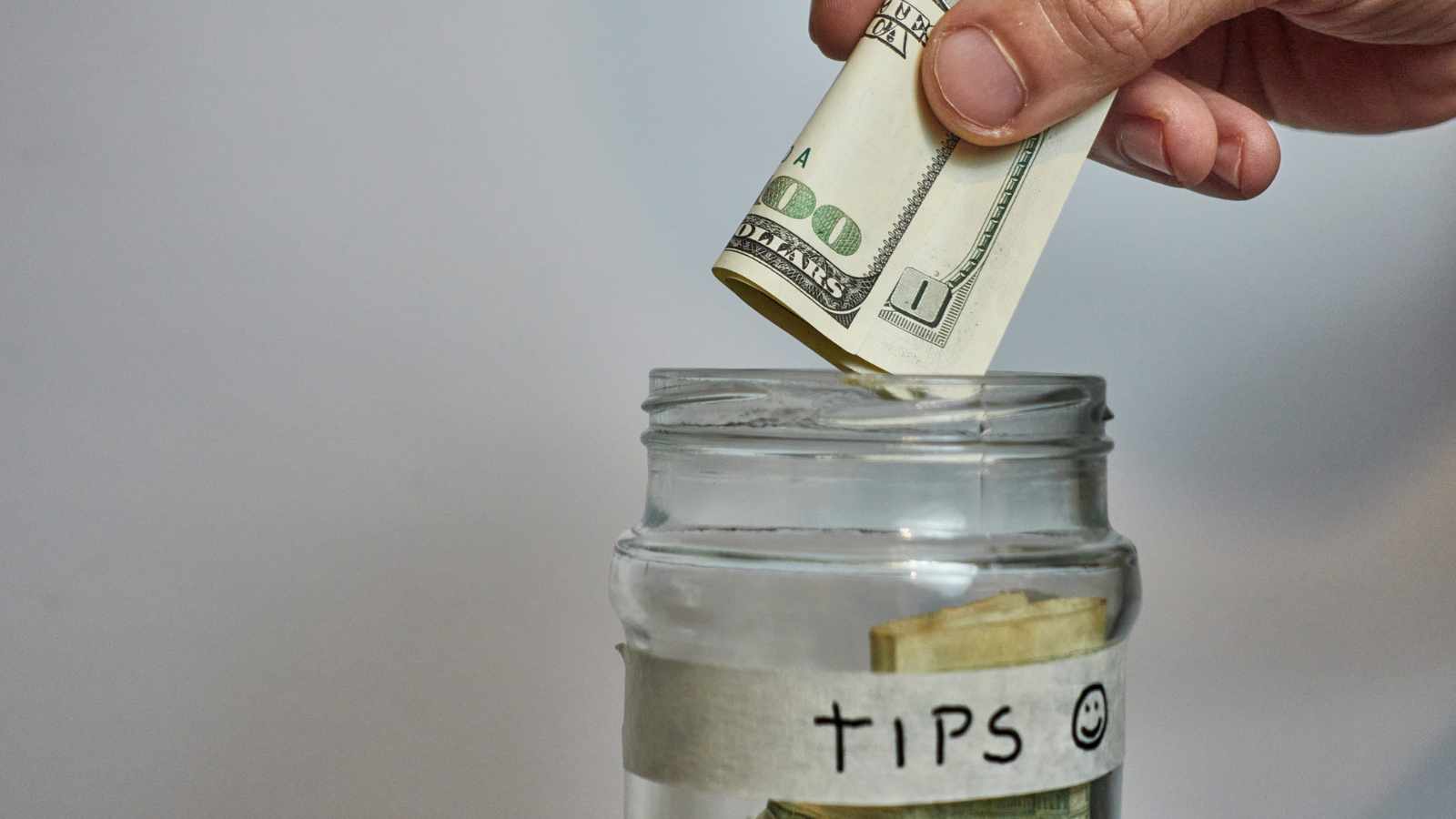
Tipping generously is always appreciated, but making a spectacle of it can create discomfort. Announcing your tip loudly or making a big show of it isn’t about kindness; it’s about drawing attention to yourself.
Tip without the need for recognition. Let your gesture speak for itself, and maintain a respectful, humble demeanor. The focus should remain on the service, not your generosity.
Saying “Keep the Change” When the Change is Pennies
Saying “Keep the change” when you’re giving just pennies or a few cents comes off as sarcastic. It may seem like a kind gesture, but it’s likely to make the server uncomfortable and feel unappreciated.
Instead of offering pennies, round up to the nearest dollar or leave a more generous tip. A $1 or $2 tip can go a long way in showing that you value the service provided.