


This article was originally published on Crafting Your Home. A human contributor also wrote and edited the post.
When someone loses a person they love, many people struggle to find the right words. They want to offer comfort, hope, or encouragement, but sometimes well-intended comments can unintentionally make a grieving person feel more alone.
Grief is deeply personal, and there is no single timeline or correct way for someone to process a loss.
The desire to “make things better” can lead people to offer explanations, comparisons, or advice when what a grieving person often needs most is something much simpler: compassion, patience, and someone willing to sit with their pain.
Grief is not something that can be quickly fixed or explained away. A person mourning the loss of a loved one may be experiencing sadness, anger, confusion, guilt, loneliness, or emotions they cannot easily describe. The most supportive response is often acknowledging their pain rather than trying to remove it.
Here are some things people should avoid saying to someone who is grieving and what they can say instead.
“Everything Happens for a Reason”
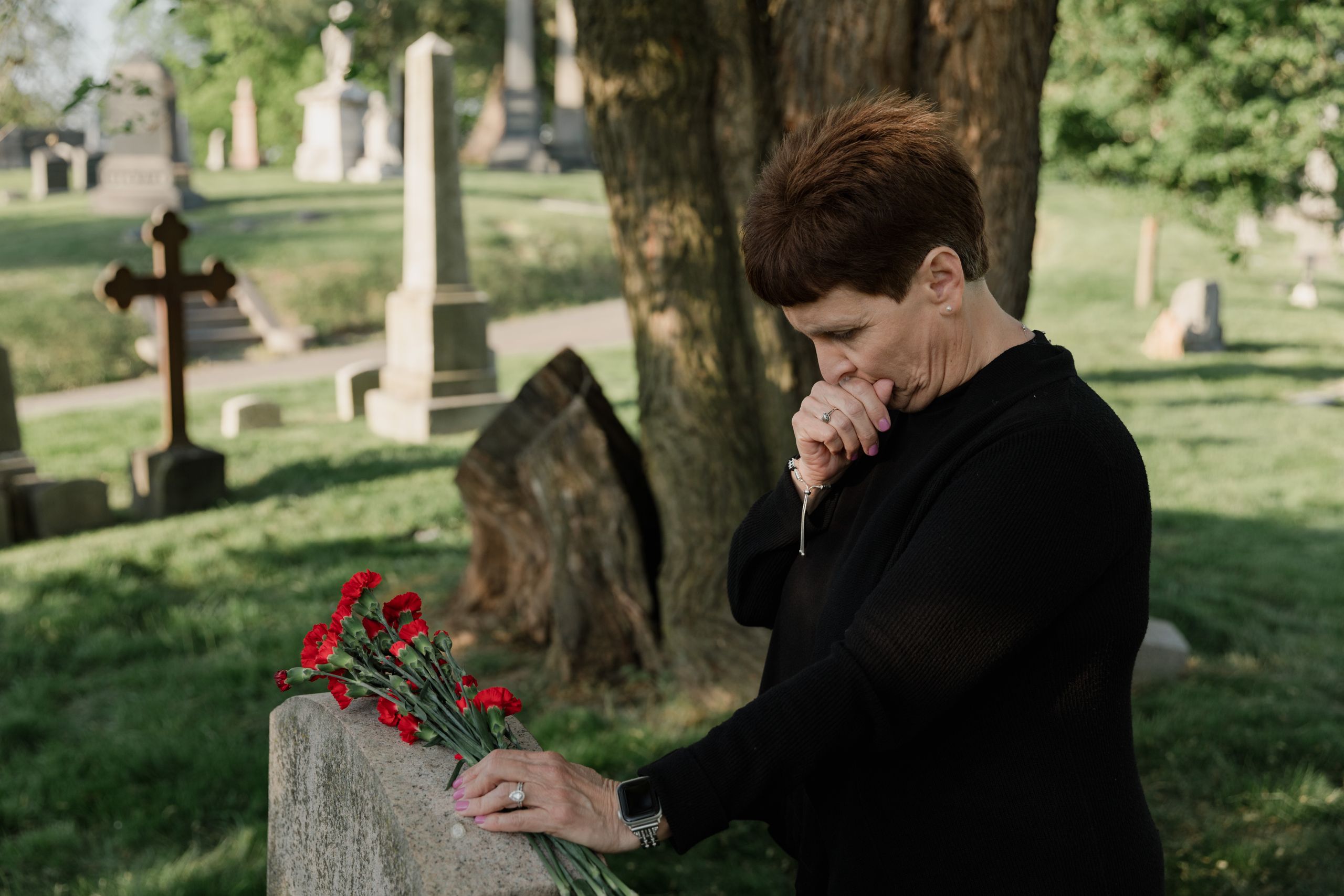
Although this phrase is often said with good intentions, it can feel painful to someone who is struggling with a devastating loss.
When someone is grieving, they may not be looking for an explanation for why something happened. They may simply be trying to understand how to live with the absence of someone important.
Telling someone that everything happens for a reason can unintentionally suggest that their suffering was necessary or that their pain has a purpose they should immediately accept.
For some people, faith provides comfort during grief, but not everyone processes loss the same way. A statement meant to provide reassurance may feel dismissive if it does not match what the grieving person believes or feels at that moment.
A more supportive approach is to acknowledge the reality of their pain.
Instead of saying:
“Everything happens for a reason.”
Consider saying:
“I know this is incredibly painful, and I’m here for you.”
“They’re in a Better Place Now”
Comforting words about the afterlife can be meaningful for some people, but they can also feel hurtful when someone is deeply mourning.
Many people use this phrase because they want to offer hope and remind someone that their loved one is no longer suffering.
However, a grieving person may not be ready to focus on where their loved one is. They may simply be missing them and struggling with the reality that they are gone.
Even if someone believes in an afterlife, grief often comes from losing the person’s presence in everyday life.
They may miss conversations, traditions, memories, and the simple moments they shared.
A more sensitive response could be:
“I know how much they meant to you. I’m so sorry you’re going through this.”
“Be Strong”
Telling someone to be strong can accidentally make them feel like showing emotions is wrong.
Many grieving people already feel pressure to hold themselves together for family members, children, friends, or responsibilities.
When someone says “be strong,” the person grieving may interpret it as a message that they should hide their sadness or move through their pain faster.
But grief is not weakness.
Crying, feeling lost, being angry, or struggling emotionally are normal parts of mourning.
Instead of encouraging someone to hide their pain, offer them permission to feel it.
A better response might be:
“You don’t have to go through this alone.”
“I Know Exactly How You Feel”
Even if you have experienced loss yourself, every person’s grief is different.
When someone says, “I know exactly how you feel,” they often mean to create connection. They are trying to communicate that the grieving person is not alone.
However, grief depends on many factors, including the relationship someone had with the person who died, the circumstances of the loss, and their personal emotional experience.
Two people can lose loved ones in similar situations and still experience grief in completely different ways.
Rather than comparing experiences, it is usually better to create space for the person to share their own feelings.
Try saying:
“I may not know exactly what you’re feeling, but I’m here to listen.”
“At Least They Lived a Long Life”
Statements that begin with “at least” can unintentionally minimize someone’s pain. People often use phrases like this because they are trying to find something positive in a painful situation. But for someone grieving, the loss is still real regardless of the person’s age, health, or circumstances.
A person who lived a long life can still leave behind a painful absence. A lifetime of memories does not make losing someone easier. Grief is not measured by how long someone lived. It is shaped by the love and connection that existed. Instead of focusing on finding a positive side, acknowledge the relationship.
You might say:
“They clearly meant so much to you.”
“You Need to Move On”
Grief does not follow a schedule, and healing does not mean forgetting someone.
People sometimes expect grief to disappear after a certain amount of time. However, many people continue to experience sadness, memories, and moments of missing someone long after a loss.
A person can learn to live with grief while still carrying love for the person they lost. Telling someone to move on may make them feel guilty for still hurting. Support does not require rushing someone through their emotions.
A better approach is: