8 Things You Assume You Own But Legally Don’t

Image Credit: fizkes via 123RF
We often assume that when we buy something, it becomes our permanent possession. We pay for goods, sign up for services, and accumulate what we believe to be tangible ownership. However, legal fine print has turned many things into temporary privileges or licenses, rather than true ownership.
Here are things you might think you own, but legally, you don’t.
Social Media Content
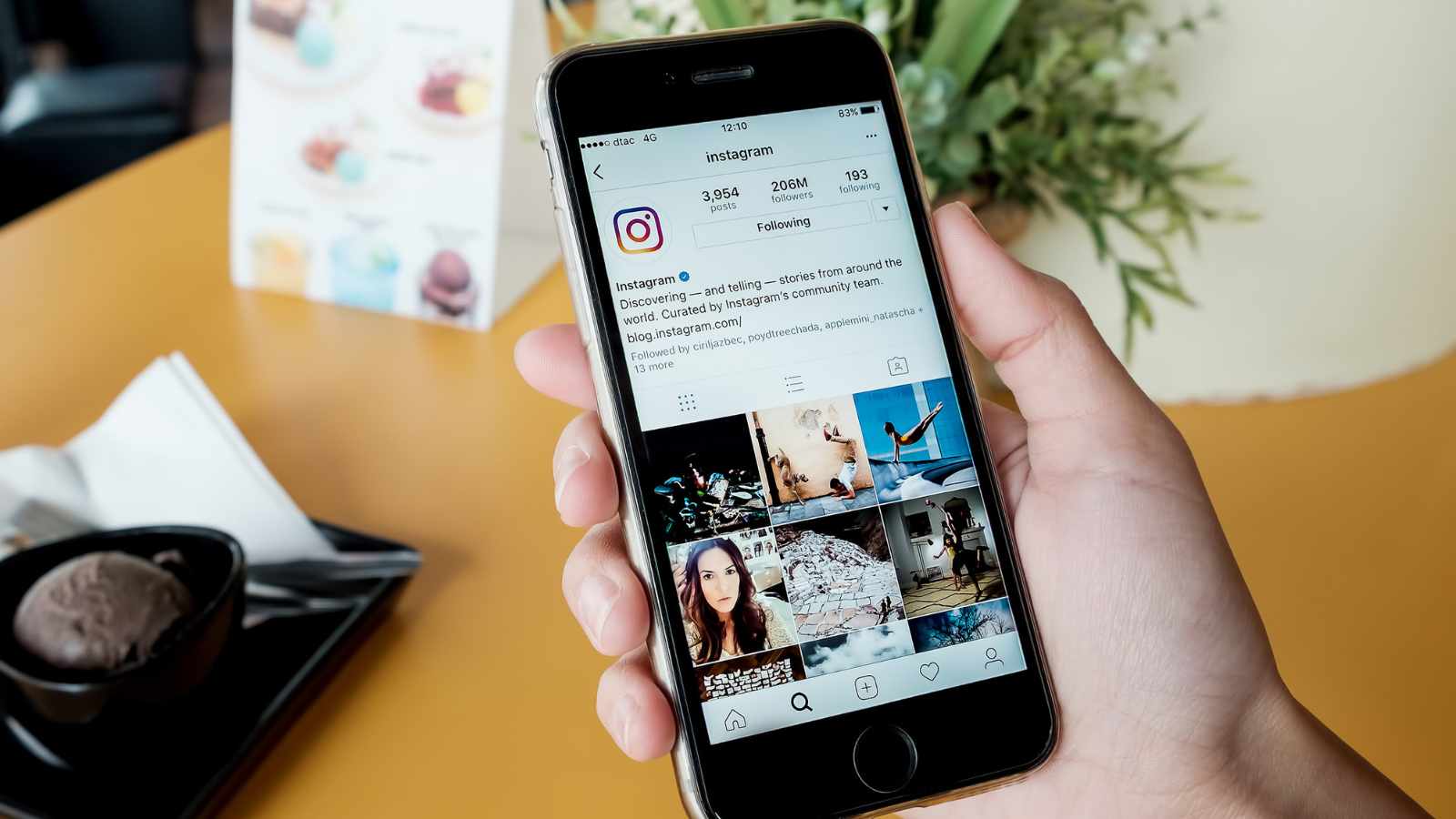
You may think that the photos, posts, and videos you share on platforms like Instagram or Facebook are completely yours. After all, you took the picture and crafted the caption, right? However, the moment you upload content, you grant the platform an enormous license to use, distribute, and even monetize your work. You technically retain copyright, but social media companies often acquire a royalty-free, transferable license to exploit your images beyond personal use. This includes using your content for advertising or training AI models.
Bank Deposits
When you deposit cash in your savings account, you might think the money is still yours, waiting for you to withdraw it. Legally, though, it belongs to the bank. Your deposit becomes the bank’s property, and you are a creditor to the bank. This means that the bank can lend your money to others, and you are only entitled to a claim on that amount.
Digital Libraries
In the digital age, purchasing movies, e-books, or music online may seem like a straightforward transaction, much like buying a physical DVD or paperback. However, in most cases, you’re not buying the content outright. Instead, you’re purchasing a revocable license to access it. Providers like Amazon or iTunes often reserve the right to remove content from your library if licensing agreements change or their digital platforms undergo modifications.
Unused Gift Cards

Gift cards might seem like cash in a plastic form, but they come with significant risks. Many gift cards have expiration dates, and in some states, they can be subject to inactivity fees. What’s worse, if the retailer goes bankrupt, the balance on your card could become worthless, leaving you with nothing but a plastic token.
Airspace Above Your Property
When you buy a home, you likely assume you own everything up to the sky above it. However, the reality is more complicated. You do control the immediate airspace above your home, but the government has authority over the “navigable airspace” above that altitude.
Frequent Flyer Miles
Frequent flyer miles might feel like your own personal savings account, but in reality, they belong to the airline. These miles represent a future service rather than a guaranteed asset. Airlines can devalue your miles, change expiration dates, or even cancel your account if they suspect you’ve violated their terms. Unlike money in the bank, your miles are subject to the airline’s discretion.
Steam and Digital Gaming Accounts
Video games are an expensive hobby, and many gamers spend large amounts on platforms like Steam. However, your game library on Steam or similar platforms isn’t truly yours. The accounts are licensed, not owned. If you break the platform’s rules or if your account is banned for any reason, you lose access to every game you’ve purchased.
Work Communications

Many employees view their work emails and Slack messages as personal communications between colleagues. However, these communications belong entirely to your employer. Courts have consistently ruled that employers have the right to monitor communications on company-owned devices or networks. Whether you’re complaining about your boss or discussing office gossip, your messages are likely being archived and reviewed by your employer.
Key Takeaways
The concept of ownership has evolved significantly in recent years. In the digital age, most of what we own is, in fact, just a license to use, rather than true property. The things we assume are ours are subject to complex rules and regulations we often overlook.