7 Things Now Banned From Your Backyard
Image Credit: dbvirago via 123RF
Backyards have long been the heart of relaxation and recreation. However, in recent years, growing concerns about safety, the environment, and property aesthetics have led to new rules and regulations affecting what can and can’t be done in your outdoor space.
As communities become denser and environmental issues take center stage, many once-accepted backyard activities are now regulated or outright prohibited.
Building Fences Without Approval

Fences are common backyard features, but constructing one without proper approval can result in legal trouble. Local zoning laws often require homeowners to obtain a permit before building a fence, as they can affect property lines, aesthetics, and neighborhood harmony.
Regulations may also specify the height, design, and materials of the fence. Always consult with your local authorities or HOA before constructing a fence to ensure that your plans comply with all regulations.
Restrictions on Burning Wood, Yard Waste, and Trash
Once a cherished practice among many homeowners, open burning has come under increasing scrutiny for its detrimental effects on air quality and the environment. Burning wood, trash, or even yard waste can release harmful particulate matter into the atmosphere, impacting both human health and local ecosystems.
The U.S. Environmental Protection Agency (EPA) and various local municipalities have enacted stricter burn bans, particularly in dry seasons, to prevent wildfires. It is vital to check with your local authorities or homeowner’s association (HOA) before burning to ensure you are not violating burn bans or ordinances.
Raising Livestock and Farm Animals in Suburban Areas
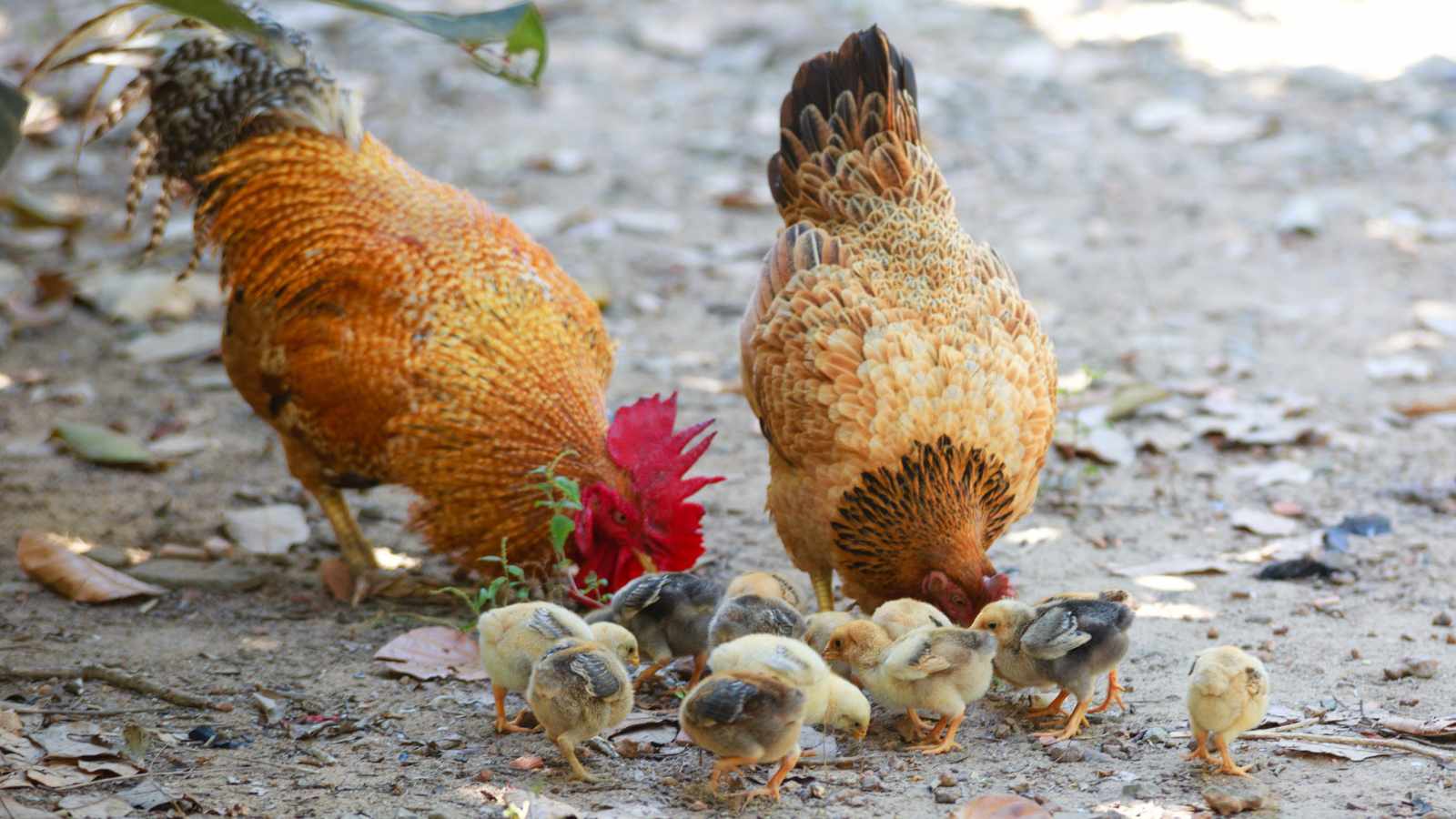
Urban and suburban areas are increasingly regulating the keeping of livestock, including chickens, goats, and bees, to maintain neighborhood peace and sanitation. Raising chickens used to be a common backyard activity, but noise, odors, and waste have led many cities to restrict or ban livestock ownership altogether.
In particular, roosters are prohibited in most urban areas due to their disruptive crowing at dawn. Make sure to check local zoning laws and HOA rules before introducing farm animals to your backyard.
Excessive Outdoor Lighting and Floodlights
Lighting can enhance the aesthetic appeal of your backyard, but excessive or poorly directed lighting may violate local codes, especially in neighborhoods with strict “dark-sky” laws. These regulations aim to reduce light pollution, which negatively impacts wildlife and disrupts the natural environment.
Installing floodlights that shine into your neighbors’ windows or onto the street can result in violations. Ensure your outdoor lighting is directed downward and complies with local ordinances to avoid fines and maintain neighborhood harmony.
Building Structures Without the Proper Permits
Building a shed, gazebo, or any other structure in your backyard may seem simple, but failing to obtain the required permits can lead to costly fines and removal of the structure. Zoning regulations dictate where structures can be placed, the materials they can use, and their height. For example, sheds cannot be built too close to property lines or in areas that may obstruct traffic.
Always consult with local authorities before beginning construction to avoid potential legal issues.
Using Outdoor Clotheslines in HOA Communities

Outdoor clotheslines are an eco-friendly and cost-effective way to dry laundry, but they are often banned or restricted in neighborhoods governed by HOAs. The primary concern is that clotheslines can be considered unsightly and may affect the uniformity of neighborhood aesthetics. However, in some states, “right to dry” laws protect residents’ ability to use clotheslines.
Understanding both local laws and HOA guidelines is essential to avoid fines or complaints.
Failing to Manage Weeds and Grass Height
Maintaining a neat, tidy lawn is often required in neighborhoods with HOA guidelines. Failing to manage overgrown grass or weeds can result in fines and complaints from neighbors. Excessive weeds and tall grass can also attract pests and harm your yard’s overall health.
Most communities require grass to be kept at a manageable height, typically 6 to 8 inches. Regularly mowing your lawn and controlling weeds can help you avoid violations.