7 Things Boomers Mastered Without Instructions (And Why Those Skills Matter Today)

People born in the Baby Boomer generation grew up in a very different world before GPS, smartphones, and instant online instructions. As a result, many developed practical, cognitive, and social skills simply through everyday life experiences.
Today’s digital convenience often obscures these abilities, but research shows that such skills still hold value, both cognitively and socially. Below, we explore seven specific skills Boomers mastered without instructions.
Navigating Without GPS Developed Strong Spatial Awareness
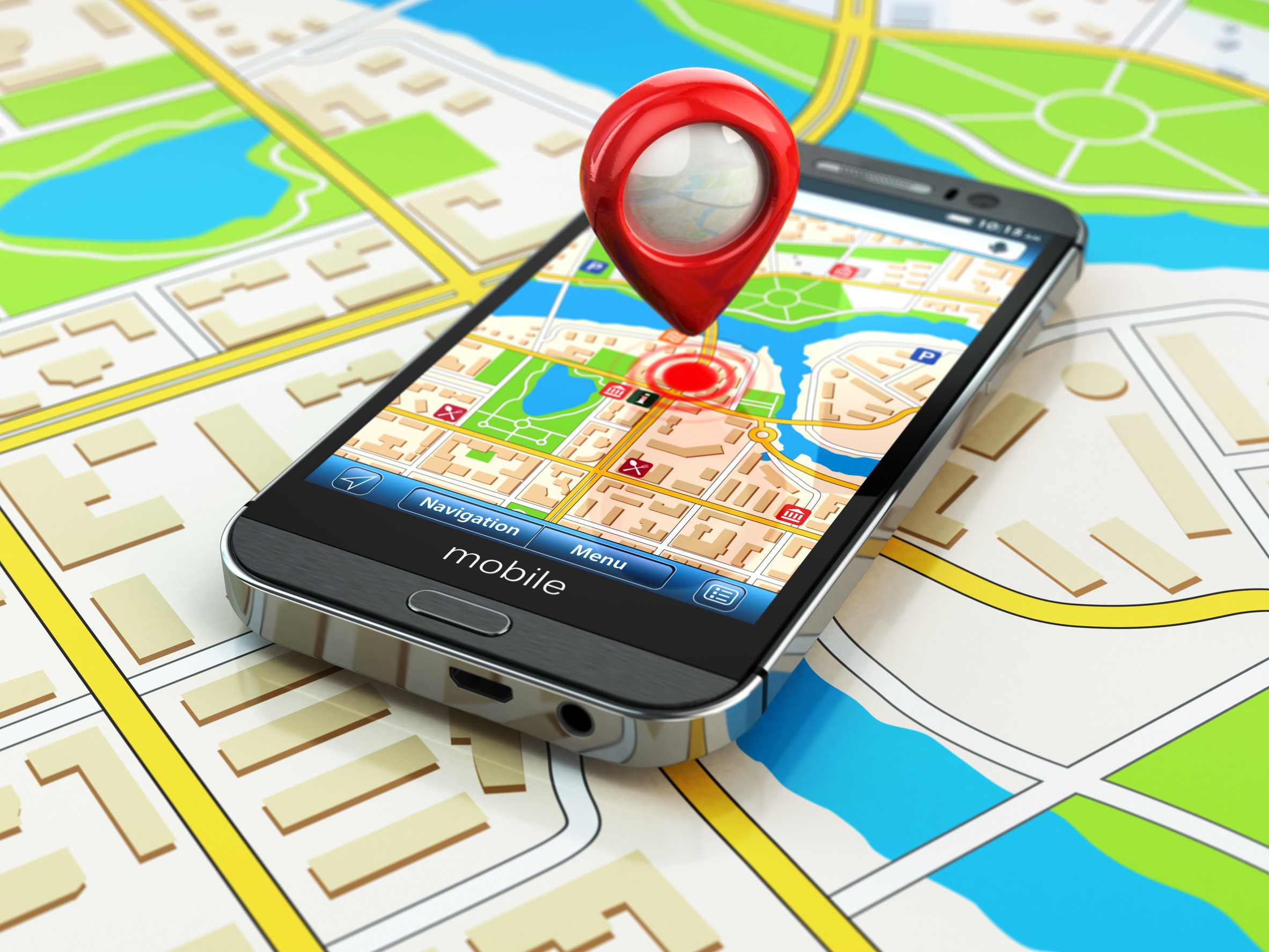
One skill many Boomers take for granted is navigating without GPS; reading paper maps, memorizing routes, and using landmarks to find their way. This wasn’t just “figuring it out”; it was building internal spatial maps, a cognitive process deeply rooted in memory systems within the brain.
Research shows that habitual use of GPS tools can weaken our spatial memory over time, as reliance on external directions reduces the brain’s need to independently encode routes and landmarks. In a study assessing drivers’ memory and GPS use, greater reliance on navigation devices was linked with worse spatial memory performance during self-guided navigation tasks, suggesting internal navigational skills can decline when external aids are overused.
Understanding spatial relations and forming cognitive maps engages parts of the brain also responsible for memory and orientation, such as the hippocampus, which is central to spatial learning and memory processes.
Using Tools Safely Built Situational Awareness and Risk Assessment
Boomers often learned to use household tools without formal manuals. Whether tightening a screw, operating a saw, or fixing a leaky faucet, this skill set required hands-on risk assessment and situational awareness.
This kind of learning, by absorbing the “feel” of a tool and how it interacts with materials, builds procedural knowledge and intuition that laboratory research often captures only in task-specific studies. A broader theme in hands-on skill development is that people progressively refine risk assessment and fine motor control through repetitive practice, thereby enhancing safety and mastery.
Driving Manual Cars Built Motor Control and Problem-Solving Skills
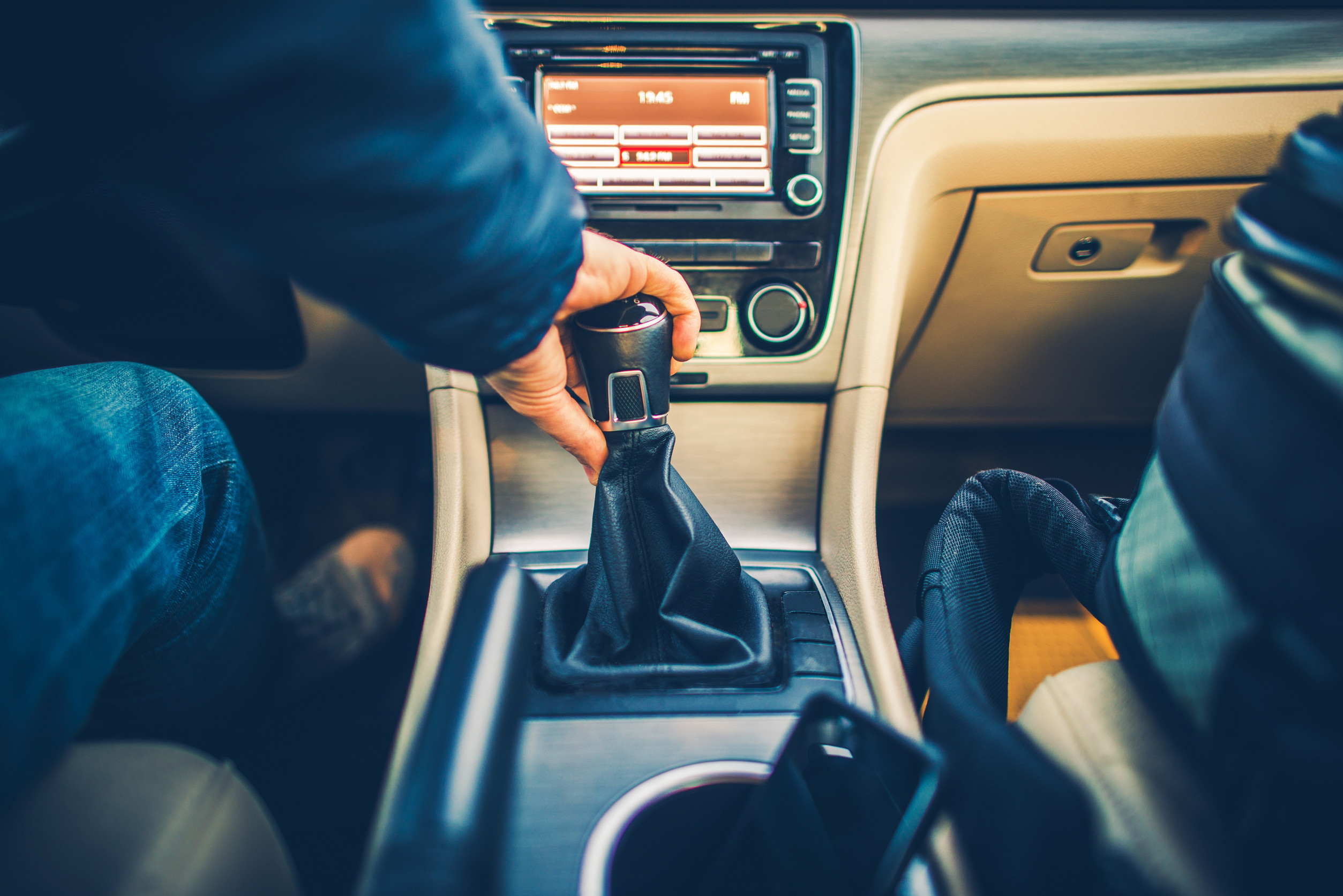
Driving a manual transmission car (stick shift) required drivers to coordinate clutch, brake, and gear changes without step-by-step instructions from a digital assistant. Although direct neuroscientific studies on manual driving skills are limited, the process inherently strengthens motor coordination, timing, and feedback-based learning, skills that form through trial and experience.
Boomers often learned to handle a car by feeling how the machine responded, not by following screen-based tutorials. This method cultivates a sophisticated sensorimotor adaptation; the ability to adjust actions based on immediate feedback from the vehicle and environment. Such hands-on learning is known to reinforce procedural memory, a type of long-term memory important for learned motor skills.
Memorizing Phone Numbers Strengthened Memory Recall
Before smartphones automatically stored contacts, people had to memorize phone numbers to stay connected with family, friends, doctors, and workplaces. This routine mental exercise wasn’t trivial; it engaged the brain’s working memory and long-term recall systems.
Although memory naturally declines with age, older adults who frequently engaged in recall tasks tend to maintain cognitive resilience longer compared to peers who offload memory tasks entirely to devices. A review of smartphone impacts on cognition, published in PMC by Frontiers in Psychology, notes that technology habits influence memory and attention because reliance on devices changes how often the brain practices recall.
Moreover, older individuals with richer social activity and frequent social interactions showed better daily cognitive performance, particularly in memory and thinking tasks.
Cooking Without Recipes Built Creativity and Kitchen Intuition
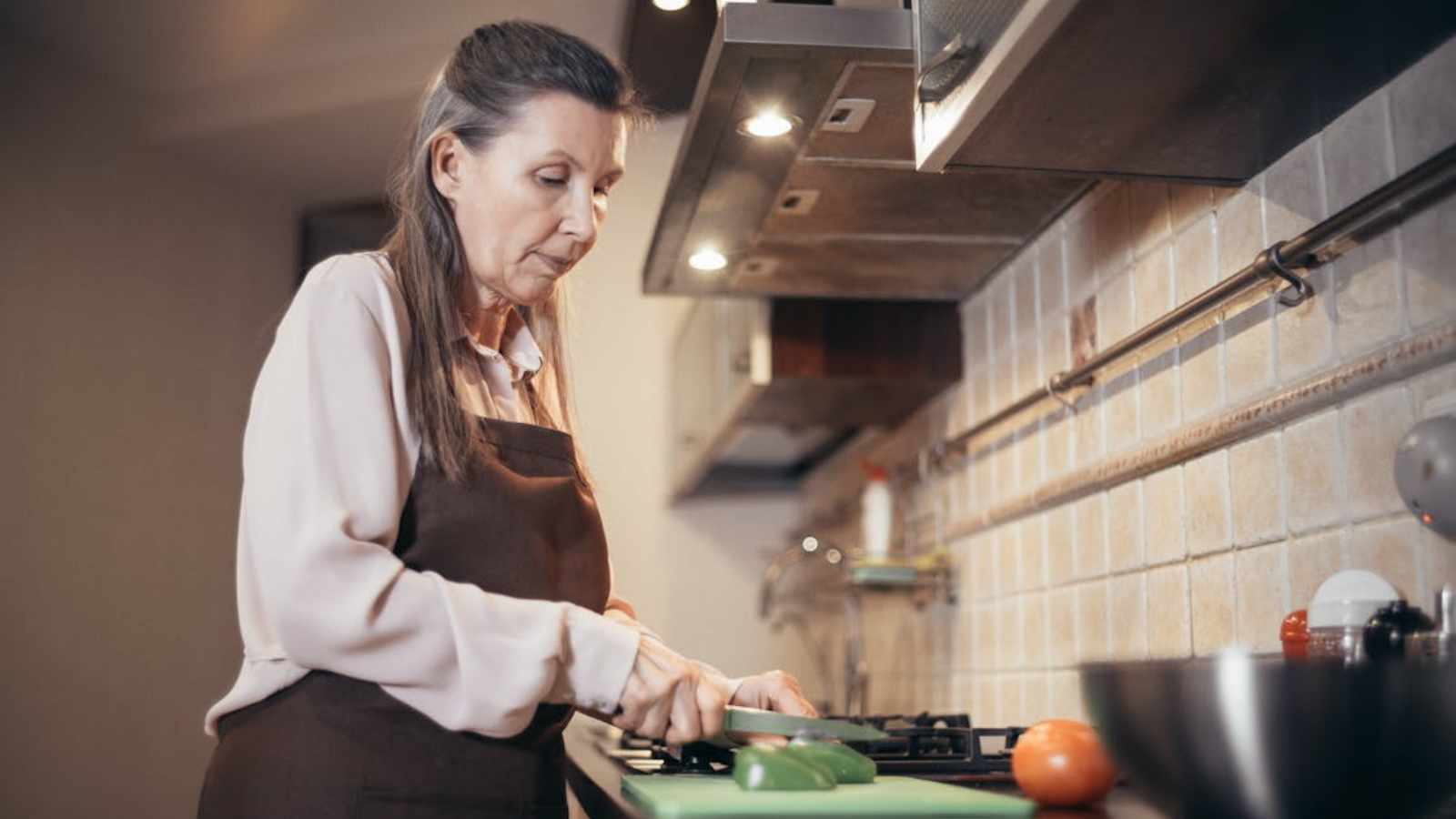
Cooking without relying on recipes required Boomers to understand ingredients, flavor profiles, and timing; skills developed through practice, observation, and repetition. Before digital recipe platforms, home cooks learned by doing, adjusting taste as they went based on sensory feedback.
This intuitive approach to cooking mirrors experiential learning, in which learners integrate patterns and outcomes directly from practice rather than from guided instruction.
Starting Conversations With Strangers Built Social and Communication Skills
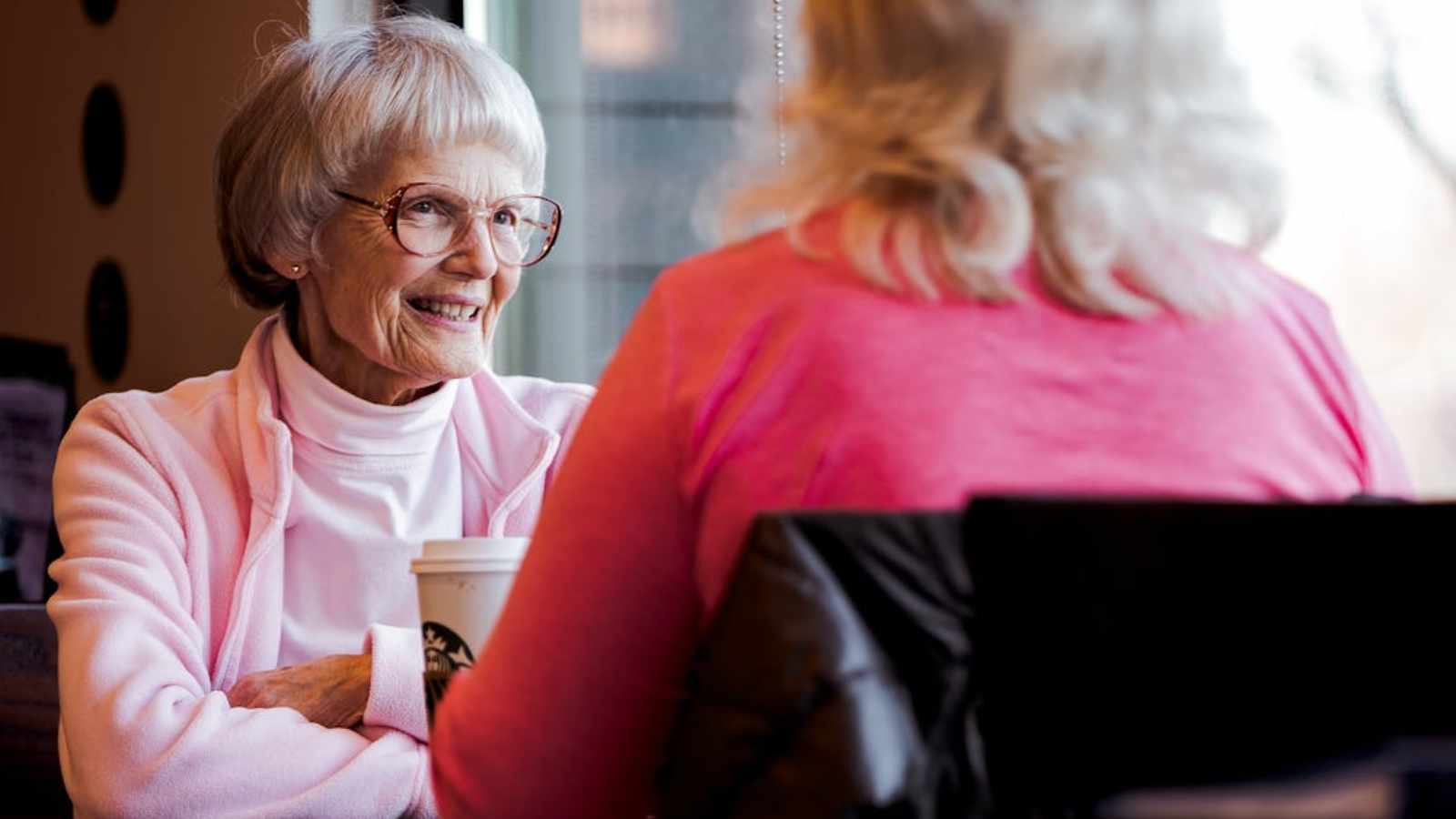
Boomers largely grew up before digital communication platforms dominated social interaction. This meant more in-person conversations with coworkers, neighbors, and service professionals. Such interactions demand active listening, reading nonverbal cues, managing turn-taking in dialogue, and maintaining eye contact; skills that technology can’t fully replicate.
Research confirms that frequent social engagement is associated with better cognitive health in older adults. Studies have found that regular daily social interactions correlate with improved memory and cognitive performance, especially processing speed and memory bindings.
Similarly, rich social relationships are linked with slower cognitive decline, likely reflecting the cognitive and emotional engagement inherent in meaningful face-to-face conversation and support.
Patience and Persistence Developed Psychological Resilience
Life before instant gratification instilled a form of patience and persistence that’s increasingly rare in a world of immediate feedback. Psychological research confirms that resilience, a related concept encompassing emotional regulation and adaptability, is prominent among older adults and contributes to sustained well-being, lower depression, and successful aging.
Patience and persistence are also reflected in long-term projects, steady skill building, and enduring effort, all of which are part of the broader psychological profile that supports effective coping and lifelong learning.
Key Takeaways

Many skills Boomers mastered without instructions are foundational to cognitive function, social engagement, and personal independence. While tools like smartphones and GPS offer convenience, research suggests that maintaining internal skills through practice and social activity may support memory, spatial cognition, and resilience in ways that technology alone cannot.
As younger generations consider their own skill sets, combining technological advantages with hands-on experiences may yield the richest, most adaptable cognitive and social functioning for life across the decades.
Read the original article on Crafting Your Home