



The post 10 Things Americans Are Quietly Cutting Back on in 2026 first appeared on Crafting Your Home.
As household budgets get tighter, many consumers are taking a closer look at where their money goes. The shift isn’t about everyone stopping spending altogether; it’s about choosing carefully, delaying purchases, finding cheaper alternatives, and deciding which extras still feel worth the cost. A February 2026 YouGov survey found that 53% of U.S. adults had set a budget for the year, with many saying the goal was to make sure they had enough money for essentials like food, rent, and bills.
Restaurant meals and drinks out
Eating out is one of the clearest areas where some consumers are looking to cut back. Among Americans who expected their finances to worsen in 2026, 66% said they planned to reduce spending on restaurant meals and drinks; the highest cutback category tracked in the YouGov survey.
That does not mean everyone is giving up restaurants. Instead, many people are visiting less, cooking more at home, or being more selective about when a meal out feels worth the money.
Clothing, shoes, and nonessential shopping
New clothes and extra shopping trips are becoming easier places for consumers to pause spending. In the YouGov survey, 54% of respondents expecting worse finances said they planned to reduce clothing spending in 2026.
The shift isn’t always about buying nothing. Many shoppers are waiting longer, looking for sales, switching stores, or skipping purchases they don’t feel are necessary.
Vacations and travel upgrades
Travel remains something many people value, but some consumers are rethinking how much they spend on trips. Among Americans expecting their finances to worsen, 46% said they planned to reduce holiday spending.
Instead of canceling every getaway, some travelers are looking for lower-cost options, shorter trips, or better deals before booking.
Related: 6 Vacation Splurges You’ll Likely Regret (And What To Do Instead)
Subscriptions they barely use
Monthly subscriptions can quietly add up, which makes them an easy target when people review their budgets. Among consumers expecting worse finances, 48% said they planned to cut subscriptions, compared with 31% of those expecting improvement.
The trend is not limited to one type of service. Consumers may be reviewing entertainment, memberships, software, and other recurring payments to decide what they actually use.
Concerts, events, and paid days out
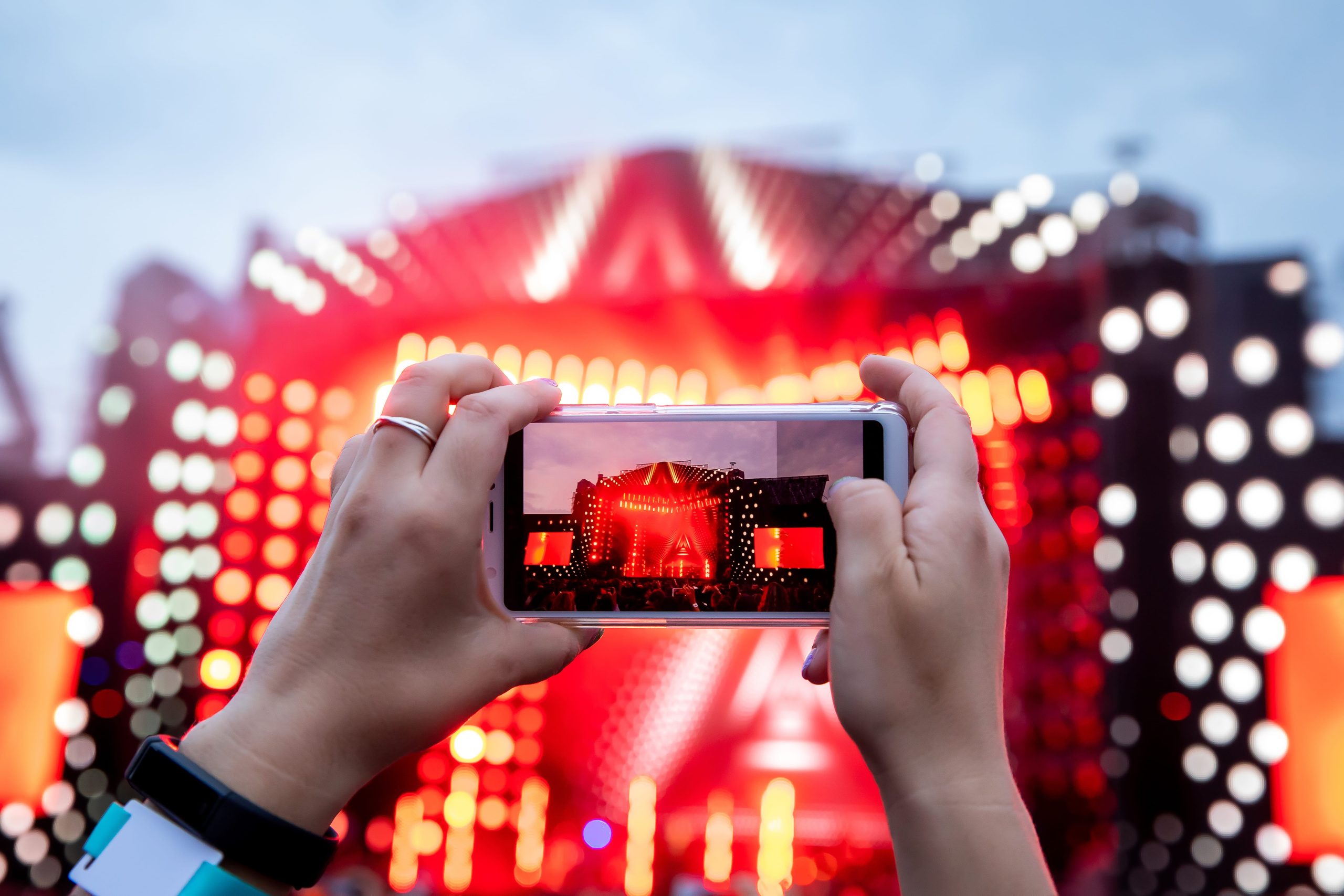
Entertainment spending is another area where some consumers are becoming more selective. The YouGov survey found that 48% of financially pessimistic respondents planned to cut spending on events and days out.
For many households, the question is no longer “Do we want to go?” but “Is this experience worth the price?”
Everyday conveniences and small treats
Small daily purchases can become noticeable when budgets are under pressure. Among respondents expecting worse finances, 48% planned to cut spending on everyday conveniences, including coffee and taxis.
These expenses are easy to overlook because each purchase may seem minor, but frequent habits can add up over time. Some consumers are replacing convenience spending with lower-cost routines.
Related: 10 Everyday Purchases Americans Make That Can Look More Expensive Than They Really Are
Fitness and wellness spending
Some consumers are also reviewing fitness and wellness expenses. Among people expecting their finances to worsen, 25% planned to cut wellness spending, compared with 13% of those expecting improvement.
The bigger trend appears to be selective spending rather than abandoning healthy habits or personal goals. People may be comparing costs, delaying purchases, or looking for more affordable options.
Beauty and personal care upgrades
Personal care spending is changing too, with some shoppers focusing more on value. EY reported that 15% of U.S. consumers had switched personal-care brands to save money.
Instead of dropping these products entirely, many consumers are trading down, choosing promotions, comparing prices, or trying less expensive alternatives.
Premium brands and higher-priced retailers
Brand loyalty is being tested as shoppers become more price-conscious. Research from EY found that consumers across income levels are looking for sales, comparing prices, switching to private labels, and considering budget retailers.
The new shopping mindset is often less about buying less and more about buying differently.
Impulse grocery purchases and brand upgrades
Groceries are a little different from other categories because people still need food, but shopping habits are changing. Consumers may be cutting impulse purchases, buying fewer extras, choosing store brands, and planning meals more carefully.
The goal isn’t always a lower grocery bill, especially when food costs remain high; it’s getting more value from each trip.
The biggest spending shift in 2026 is not that people have stopped buying things. Instead, many consumers are asking a simple question before spending: “Is this worth it?” From dining out to subscriptions and shopping habits, the focus is moving toward value, flexibility, and smarter choices.
Other posts you might like
-
Why a “No-Spend Weekend” Can Be a Better Reset Than Buying Something New
-
Gen Z Is Spending $0 on Romantic Dates, Survey Finds as Young Adults Rethink Dating Costs
If you like what you just read, then subscribe to our newsletter and follow us on social media.


