


The post The World’s Most Dangerous Foods That Are Only Safe When Prepared Correctly first appeared on Crafting Your Home.
A food can look completely ordinary on a plate and still have a complicated story behind it. A tropical fruit, a common pantry staple, or a traditional seafood dish may require specific knowledge before it becomes part of a safe and enjoyable meal.
That does not mean these foods are “dangerous” in the way sensational headlines often suggest.
Many of them are important parts of local cuisines, family traditions, and regional identities. The surprising part is how much knowledge goes into them before they reach the table.
The difference often comes down to preparation, timing, identification, processing, or sourcing. Some foods contain naturally occurring compounds that traditional methods reduce.
Others depend on selecting the correct species, harvesting from approved areas, or following tested preservation practices.
From cassava and kidney beans to fugu and wild mushrooms, these foods show why cooking knowledge has always been an important part of food culture.
Ackee
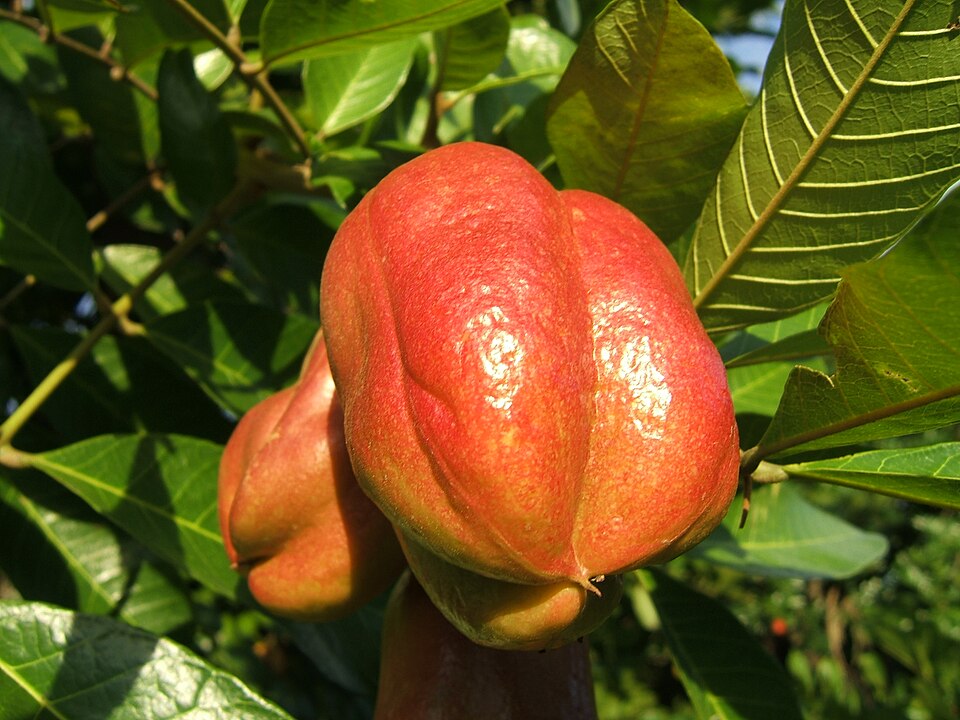
Ackee is one of Jamaica’s most recognizable ingredients and is best known internationally through the traditional dish ackee and saltfish. The fruit has a long history in Caribbean cuisine and remains an important part of Jamaican food culture.
What makes ackee unusual is not the fruit itself but the importance of using it at the right stage. Ackee contains a naturally occurring compound called hypoglycin A, which is found in higher concentrations in parts such as the rind and seeds. Properly harvested and processed ripe ackee has much lower levels and is considered safe to eat.
The U.S. Food and Drug Administration regulates canned and frozen ackee products because processing standards help control the presence of hypoglycin A.
Ackee is not an example of a food that should simply be avoided. Instead, it shows how traditional knowledge and modern food controls help transform a naturally complex ingredient into a familiar dish.
Related: 7 Worst American Foods That Leave International Visitors Horrified
Cassava
Cassava is one of the world’s most important staple crops and is widely used across Africa, Latin America, the Caribbean, and parts of Asia. It appears in many traditional foods, including cassava flour, gari, fufu, tapioca products, and other regional dishes.
The root contains cyanogenic glycosides, compounds that can release hydrogen cyanide if the plant is eaten without proper processing. Bitter varieties generally require more extensive preparation than some sweeter varieties.
Across different cultures, people have developed methods such as peeling, soaking, fermenting, drying, and cooking to prepare cassava safely. The exact method depends on the variety and the traditional food being made.
Calling cassava a “dangerous root” misses the bigger story. It is a major food source for millions of people, and its history demonstrates how generations of cooks developed ways to work with the ingredients available to them.
Fugu
Fugu, or pufferfish, is one of the world’s most famous examples of a food where expertise matters.
The fish is associated with Japanese cuisine, where it may appear in dishes such as sashimi, hot pots, and other specialty preparations. The concern comes from naturally occurring toxins, including tetrodotoxin, which can vary depending on the species and the part of the fish involved.
Because of these risks, fugu is closely connected with controlled sourcing and professional processing systems. The U.S. Food and Drug Administration states that pufferfish imports are highly regulated, with specific agreements and safety requirements for approved products.
The story of fugu is not simply about risk. It is about how a traditional food developed strict standards around preparation, supply chains, and quality control.
Green or Sprouted Potatoes
Potatoes are among the most familiar foods in kitchens around the world, which makes them one of the most surprising examples on this list.
Potatoes naturally contain glycoalkaloids, including solanine and chaconine. Levels can increase when potatoes become green, sprouted, damaged, rotten, or bitter.
Health Canada notes that normal cooking methods do not significantly reduce glycoalkaloid levels. It advises avoiding sprouts and eye areas, removing small green or damaged sections, and discarding potatoes that are severely green or damaged.
This does not mean potatoes are unsafe. Millions of people eat them every day. The lesson is that even familiar ingredients can require attention when their condition changes.
Red Kidney Beans
Red kidney beans are common in many cuisines, appearing in dishes ranging from chili and rice-based meals to stews and salads.
The issue comes from phytohaemagglutinin, a naturally occurring lectin found in higher amounts in raw or improperly cooked red kidney beans. The U.S. Food and Drug Administration identifies red kidney beans as having particularly high concentrations compared with many other beans.
Proper cooking destroys the toxin, while inadequate heating may not provide the same protection. The FDA’s guidance highlights the importance of appropriate boiling methods rather than relying on low-temperature cooking approaches alone.
Bamboo Shoots
Bamboo shoots are widely used in East and Southeast Asian cuisines, as well as in other regional dishes. They appear in soups, stir-fries, pickled foods, and many traditional recipes.
Raw bamboo shoots contain cyanogenic compounds, including taxiphyllin, which can release hydrogen cyanide. The concern applies mainly to raw or insufficiently prepared shoots.
Cooking is an important distinction. Fresh bamboo shoots are traditionally prepared before eating, while many canned products have already undergone processing.
The food itself is not unusual because it requires care. Many traditional ingredients around the world come with preparation knowledge that has been built into local cooking practices for generations.
Wild Mushrooms
Wild mushrooms have long been part of foraging traditions in Europe, North America, Asia, and other regions.
The main concern is not mushrooms as a category. It is the possibility of confusing an edible species with a poisonous one. Some wild mushrooms can look similar, making accurate identification essential.
The UK government’s safe-foraging guidance advises people to be certain about the identity of foraged plants because some species are poisonous.
Foraging remains an important culinary tradition, but it depends on knowledge. A mushroom gathered by someone who understands the species is a very different situation from one collected by guesswork.
Lupini Beans
Lupini beans are enjoyed in Mediterranean, Middle Eastern, North African, Latin American, and Australian food traditions. They are often served as snacks or appetizers after processing.
Certain bitter lupin varieties contain quinolizidine alkaloids. The concern arises when these varieties are used without sufficient processing to reduce the compounds.
Traditional preparation involves soaking and leaching, which reduce alkaloid levels. Commercially prepared lupini beans are different from improperly prepared bitter seeds.
Like many foods on this list, lupini beans show that cultural food traditions often include important knowledge about how to prepare ingredients.
Shellfish
Shellfish such as oysters, clams, and mussels are enjoyed in coastal cuisines around the world. However, their safety depends heavily on where and how they are harvested.
Because shellfish filter water, they can accumulate hazards from their environment, including naturally occurring marine toxins or contamination linked to unsafe waters.
Food-safety systems focus heavily on monitoring harvest areas and tracking products. The FDA’s National Shellfish Sanitation Program includes controls for harvest locations and toxin monitoring.
The important distinction is that shellfish are not automatically unsafe. The key factors are sourcing, monitoring, and conditions at the time of harvest.
Improperly Preserved Foods
Some food risks come less from the ingredient itself and more from how it is preserved.
Improperly canned, preserved, or fermented low-acid foods can create conditions where Clostri