The Transformation of Six Humble Foods

Food is a living testament to cultural shifts, societal evolution, and economic transformations. Many dishes once considered the backbone of working-class families are now at the heart of fine-dining menus, celebrated by foodies, influencers, and chefs alike.
These once-humble foods, born from necessity and scarcity, have been redefined by modern culinary trends.
Pork Belly
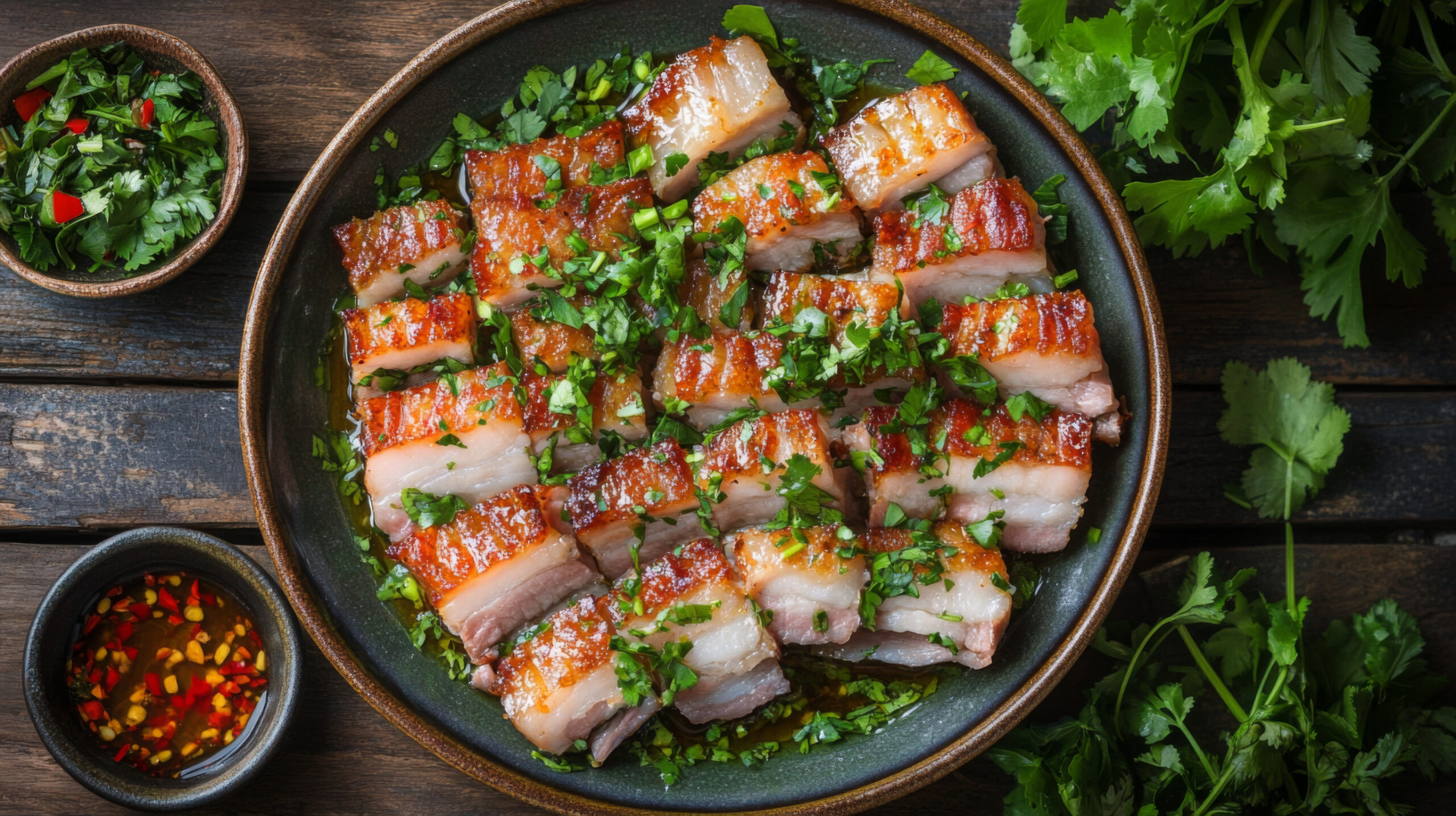
Pork belly has a rich history rooted in both preservation and indulgence. In the past, it was a frugal cut of meat, often preserved by salting or smoking, that sustained families during the leaner months. The rich marbling of fat in pork belly made it perfect for long, slow cooking, yielding tender, flavorful meat that could be stretched over several meals.
Oxtail
Oxtail was once considered a tough, sinewy cut, unappreciated and relegated to the poorest households. Historically, it was a necessity for those with limited resources, often simmered in long, slow stews to extract every bit of flavor. These slow-cooked dishes became the backbone of comfort food in many cultures, particularly in African, Caribbean, and Southern U.S. cuisines.
Chicken Wings
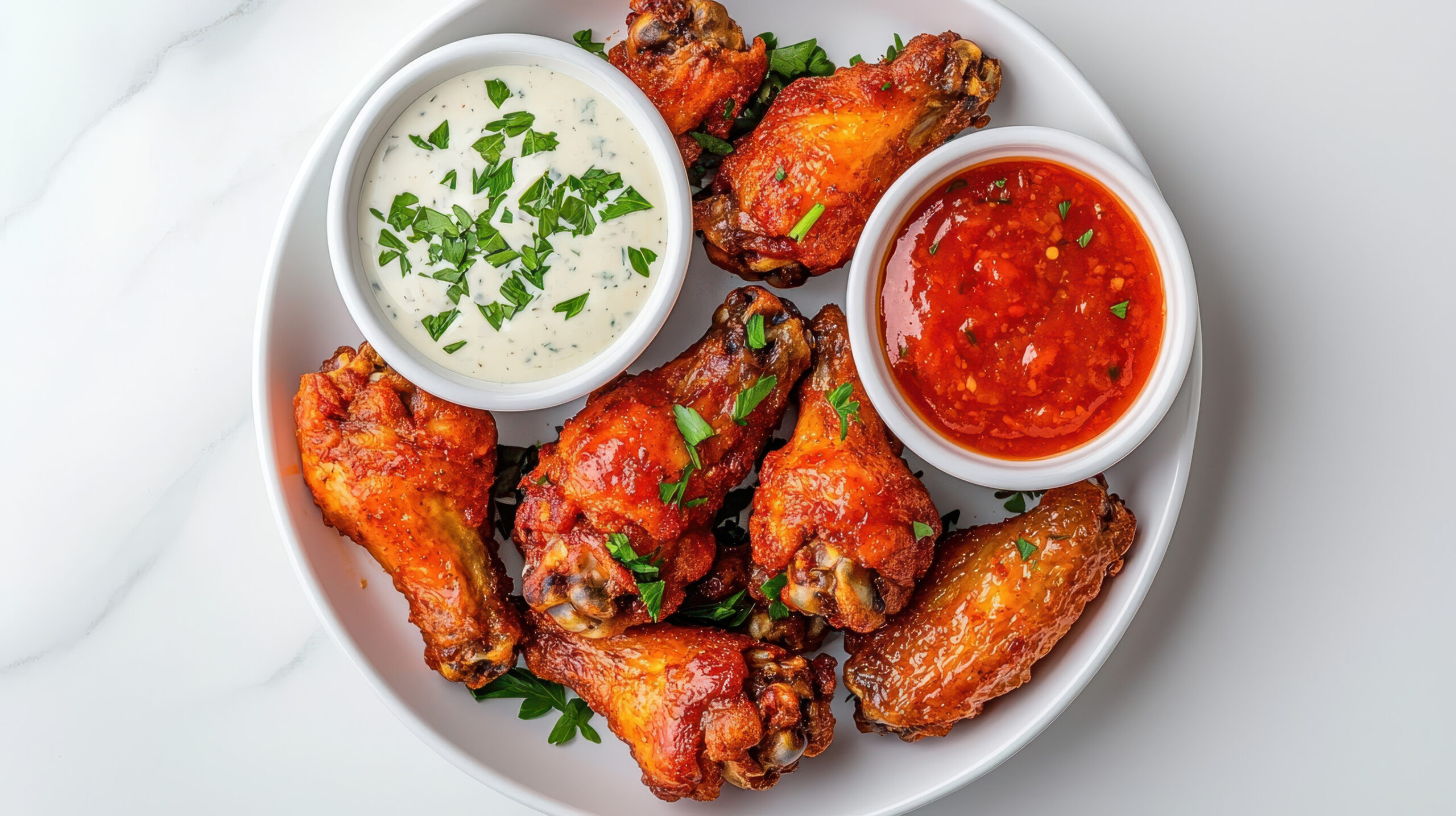
Once considered a mere afterthought, chicken wings were often treated as scraps that were left over after the more desirable cuts were taken. In the past, wings were inexpensive and a quick snack for families, with little prestige attached to the chicken part.
In recent years, however, chicken wings have become a cultural icon. From their rise in American sports bars to their reimagining in gourmet kitchens, wings are no longer just a cheap bite. They are now served with premium sauces like honey truffle, paired with artisanal dips, and even offered as part of tasting menus.
Eggs
Eggs have always been a reliable, affordable source of protein for countless generations. In times when meat was a luxury, eggs provided a budget-friendly alternative, often making their way into everything from simple scrambles to hearty frittatas.
But today, eggs are no longer just a basic breakfast option. They have undergone a metamorphosis, appearing in some of the most exclusive dishes on the planet. Whether they’re featured in truffle-topped omelets, delicate egg caviar, or as a luxurious addition to gourmet ramen, eggs are now regarded as a cornerstone of both comfort food and fine dining.
Pizza
Pizza’s origins lie in the streets of Naples, where it was a quick, affordable meal for working-class laborers. The pizza of yore was nothing fancy, just a thin flatbread topped with tomatoes, cheese, and a few basic ingredients. It wasn’t the kind of food you’d expect to see on a Michelin-starred menu.
Yet, pizza’s journey from humble beginnings to worldwide recognition is a perfect example of food gentrification. Today, pizzas come in all shapes and sizes, from the classic Margherita to extravagant creations topped with caviar, truffle oil, and gold leaf.
Lobster

Lobster’s transformation from an inexpensive, low-status food to a symbol of wealth and indulgence is perhaps one of the most dramatic. In colonial North America, lobsters were so abundant that they were fed to prisoners and used as fertilizer. It was considered food for the poor, often seen as a cheap, readily available source of protein.
Conclusion
These six humble foods, eggs, pizza, pork belly, oxtail, chicken wings, and lobster, have all undergone remarkable transformations. They show that the food industry is not just about what we eat, but also about how we perceive and value it.
The stories of these foods are a reminder of how culture, class, and taste shape our relationship with food. From working-class staples to luxurious dishes, their rise highlights a broader narrative of food’s reinvention in the modern world.
What was once born of necessity has become a testament to the power of culinary reinvention, and these foods now serve as symbols of both tradition and innovation.