


The Lincoln Memorial Reflecting Pool was meant to be a polished symbol of national pride, a bright blue centerpiece between two of America’s most sacred monuments. Instead, it has become a test of whether a high-profile renovation can turn a public landmark into a political embarrassment, with green algae, peeling blue material, online conspiracy theories, and fresh questions about the project’s failure.
The controversy began after President Donald Trump’s administration pushed forward a multimillion-dollar effort to resurface and recolor the nearly century-old Reflecting Pool in what Trump described as “American flag blue.” The project was promoted as a cleaner, sharper upgrade ahead of major national celebrations, but within days of the pool being refilled, the water was visibly green again, and blue material appeared to be peeling from the bottom, deepening the backlash
A Patriotic Makeover Meets a Familiar Green Problem

The Reflecting Pool has never been an easy landmark to maintain. It is long, shallow, exposed to sunlight, and vulnerable to warm weather, bird activity, debris, and algae blooms. Even before the latest renovation, the pool had a history of water quality problems that required periodic draining, cleaning, and treatment.
But this time, the timing made the problem louder. The renovation was presented as a bold fix, not just routine maintenance, and Trump said the pool would look cleaner and more beautiful. Federal officials pointed to new treatment systems designed to fight algae and improve the water’s appearance.
The green returned almost immediately. Reuters reported that National Park Service workers were seen using skimmers and pouring jugs labeled “12% hydrogen peroxide” into the water to fight the bloom. The Interior Department said the pool was also being treated with nanobubble ozone technology meant to kill algae and other contaminants.
The Peeling Blue Material Changed the Story
Algae alone might have been dismissed as an ugly but familiar maintenance issue, but the peeling blue material made the story feel bigger.
Images and videos circulating online showed blue coating separating from the pool floor, raising questions about whether the resurfacing work was rushed, whether the material bonded properly, and whether the treatments used in the water affected the surface. AP reported that Trump blamed vandalism for the pool’s problems but did not provide substantiation for the broader damage.
That distinction matters. Someone reportedly being arrested for peeling material from the pool does not automatically explain a wider algae bloom or broader detachment across the surface. The gap between official blame and visible conditions made the central question harder to avoid.
For many Americans watching from outside Washington, the Reflecting Pool suddenly became more than a pool. It became a symbol of how quickly a public works project can turn into a political argument when money, monuments, and presidential branding collide.
The Vandalism Claim Fuels the Online Firestorm
Trump later said vandals had damaged the pool and surrounding areas, including claims of chemical use and nearby markings on the National Mall. The allegation landed in a social media environment already primed for suspicion, jokes, and partisan interpretation, so supporters saw possible sabotage while critics saw a convenient explanation for a botched project.
That is where the story took on a life of its own. The algae was no longer just algae. The peeling blue material was no longer just a maintenance defect. Online, the pool became a stage for conspiracy theories, memes, and political blame, reinforcing the project’s broader failure.
The administration said cleanup work was underway, while Trump claimed much of the algae had already been removed. Still, the visual damage had already done what visual damage does in politics. It gave people an image they could argue over, share, and weaponize.
Why This Landmark Carries So Much Weight
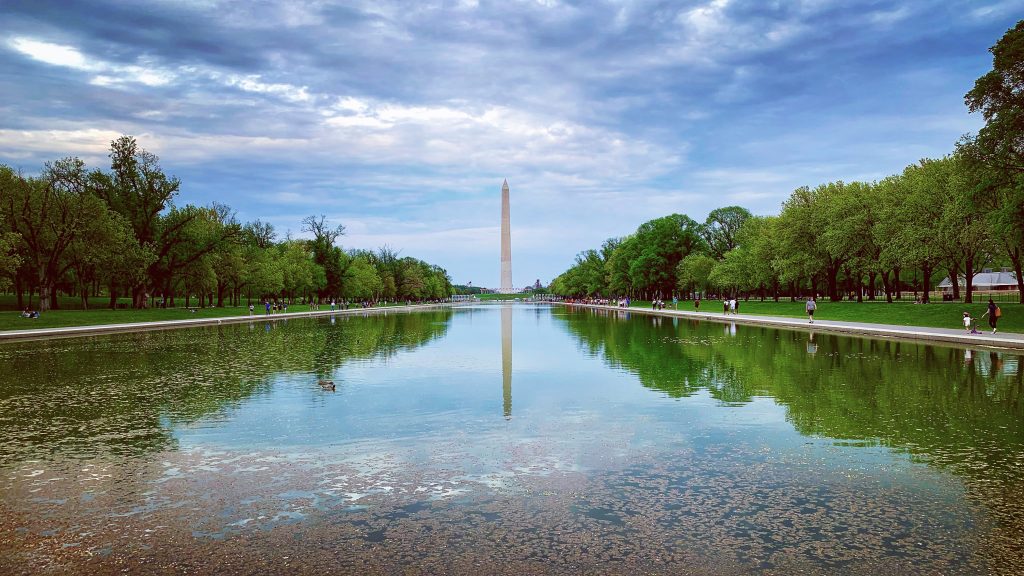
Ali Khan, CC BY-SA 4.0, via Wikimedia Commons


